What is Gambling
Gambling (also betting) is any activity where a person risks an item of value (often money) on the outcome of an event that is determined mostly by chance, to get something valuable. Examples include sports betting, video game loot boxes, March Madness brackets, poker nights, and prediction markets. Gambling isn’t inherently negative – many people engage in it without harm. But it can lead to both “good” and “not so good” outcomes depending on how and why someone participates.
Why Matters & The Reality
Good Outcomes
Some students experience gambling as:
Entertainment or a way to pass the time
A social activity with friends
A way to make sports more exciting
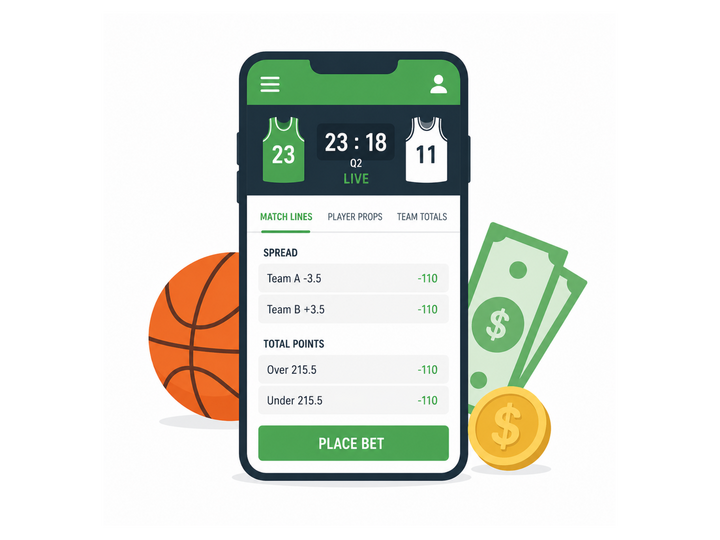
Not So Good Outcomes
At the same time, gambling can also lead to:
Losing money
Increased stress or distraction
Difficulty focusing on school
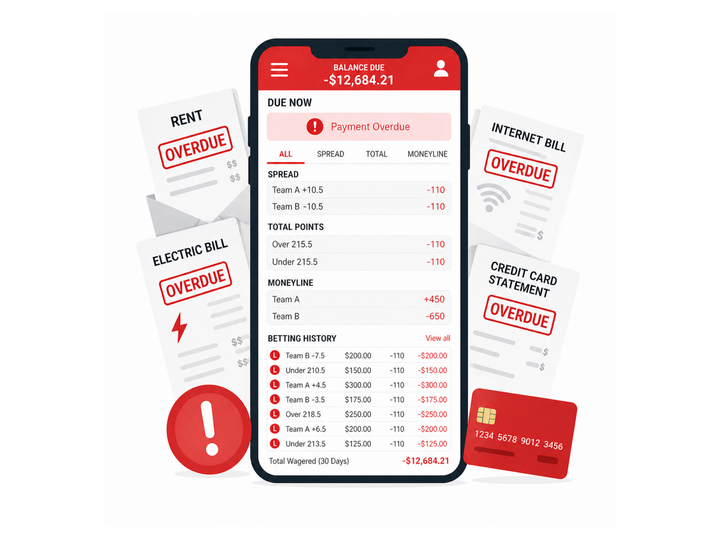
Why You Gamble Matters
People gamble for different reasons – and some carry more risks than others:
- Fun/socializing (lower risk)
- Testing your skills (increased risk)
- Making money (unreliable and higher risk)
- Coping with stress or emotions (highest risk)
When gambling shifts from entertainment to making money or escaping stress, the chances of negative outcomes increase.

Know the Reality
- The odds are designed so that you lose money over time.
- Winning streaks don’t change future outcomes.
- Betting apps and promotions are designed to keep you playing.

The difference in what outcomes you experience from gambling often comes down to your motivations for gambling, and how you approach betting.
Common Traps to Watch For
Hot hand fallacy: believing a win means more wins are coming

Gambler’s fallacy: thinking a win is “due” after losses

Illusion of control: believing you can influence random outcomes
Near-miss effect: feeling “close” to winning when odds haven’t changed
Strategies to Avoid the “Not So Good” Things From Betting

Be an informed consumer of ads

Set a budget

Set a time limit

Avoid betting when you’re using alcohol or other drugs
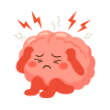
Avoid betting when you’re stressed, upset, or trying to escape a problem

Only bet with your own money (avoid gambline with student loans, scholarship funds, credit cards, or money borrowed from friends or family)
Know Your Monthly Fun Money Budget

Fun Money: Funds left after paying bills for the month.
Restaurants
Going out
Date night
Shopping
Hobbies
Event tickets
Betting

Campus Specific Resources
Community and National Resources
Nebraska Gamblers Assistance Program: (402) 806-7344 or 1-833-BETOVER
Nebraska Council on Problem Gambling - Free and confidential counseling and support
National Council on Problem Gambling
National Problem Gambling Helpline: 1-800-MY-RESET/Text: 800GAM
Gamblers Anonymous: (909) 931-9056
Visit Resource: Lower-Risk Gambling Guidelines