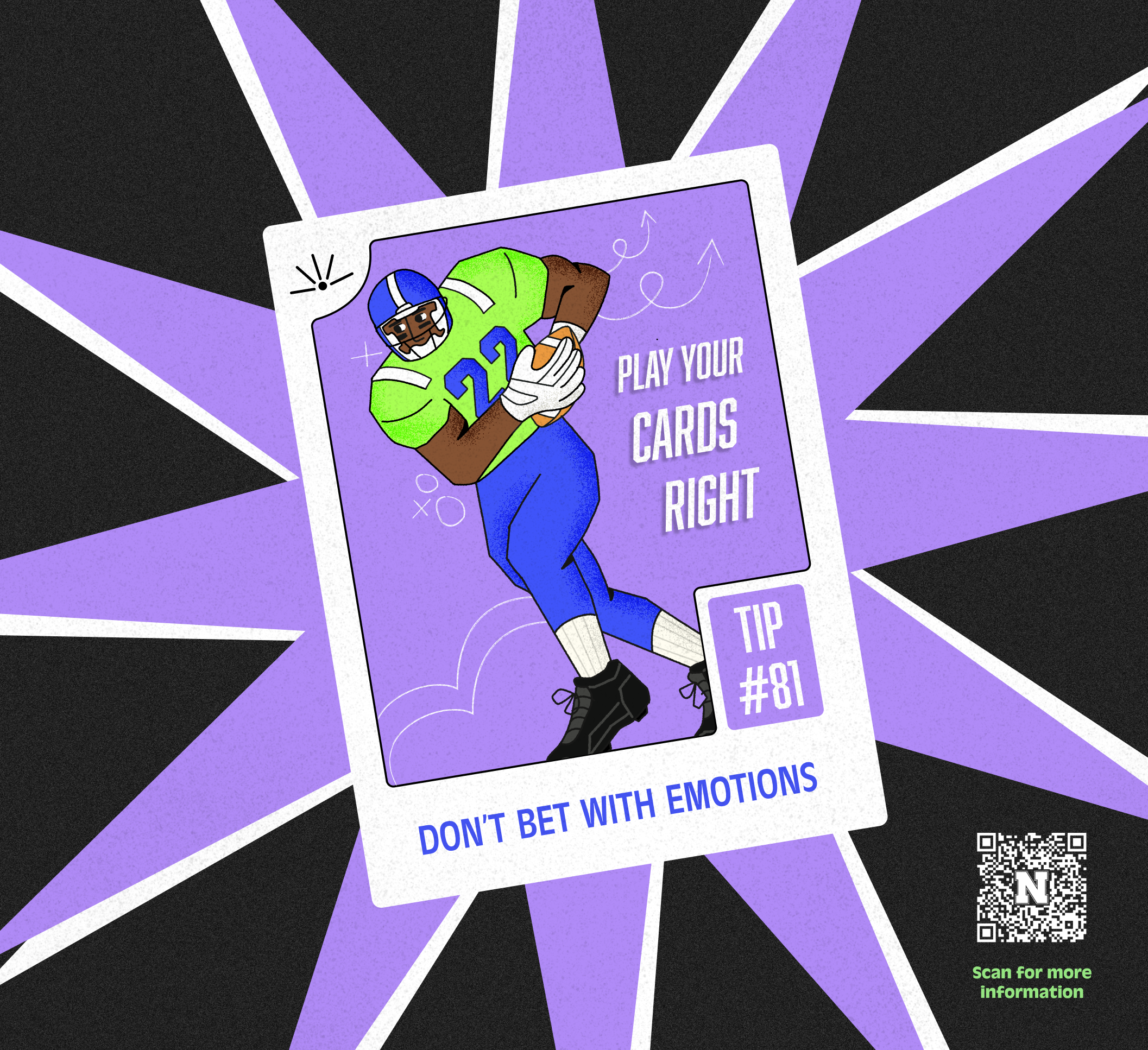
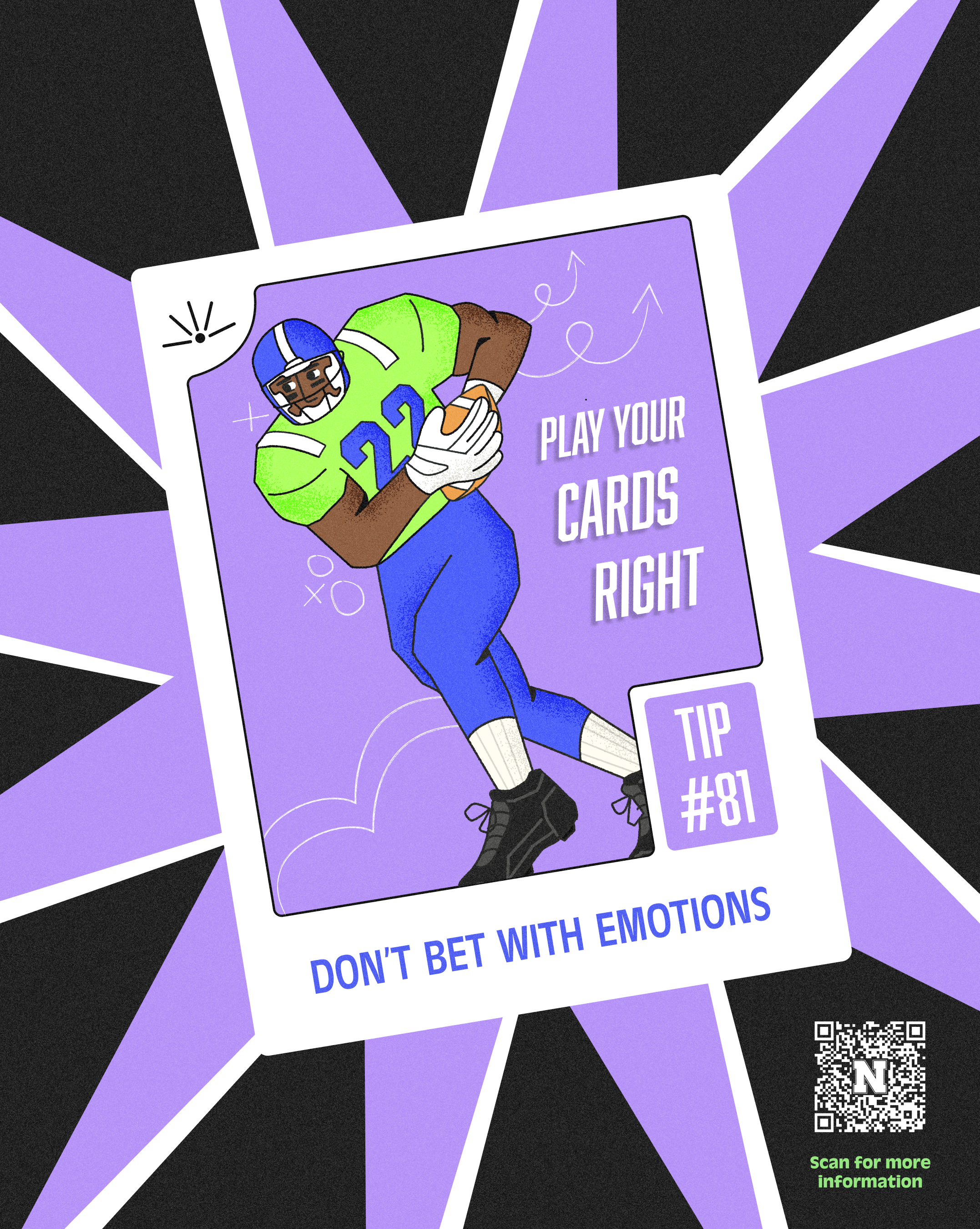
Play Your Cards Right
Downloadable Assets
- Carousel Post Good for Instagram
- Digital Assets Static Images for Social Media Posts or Digital Boards
- Print Assets
- Caption
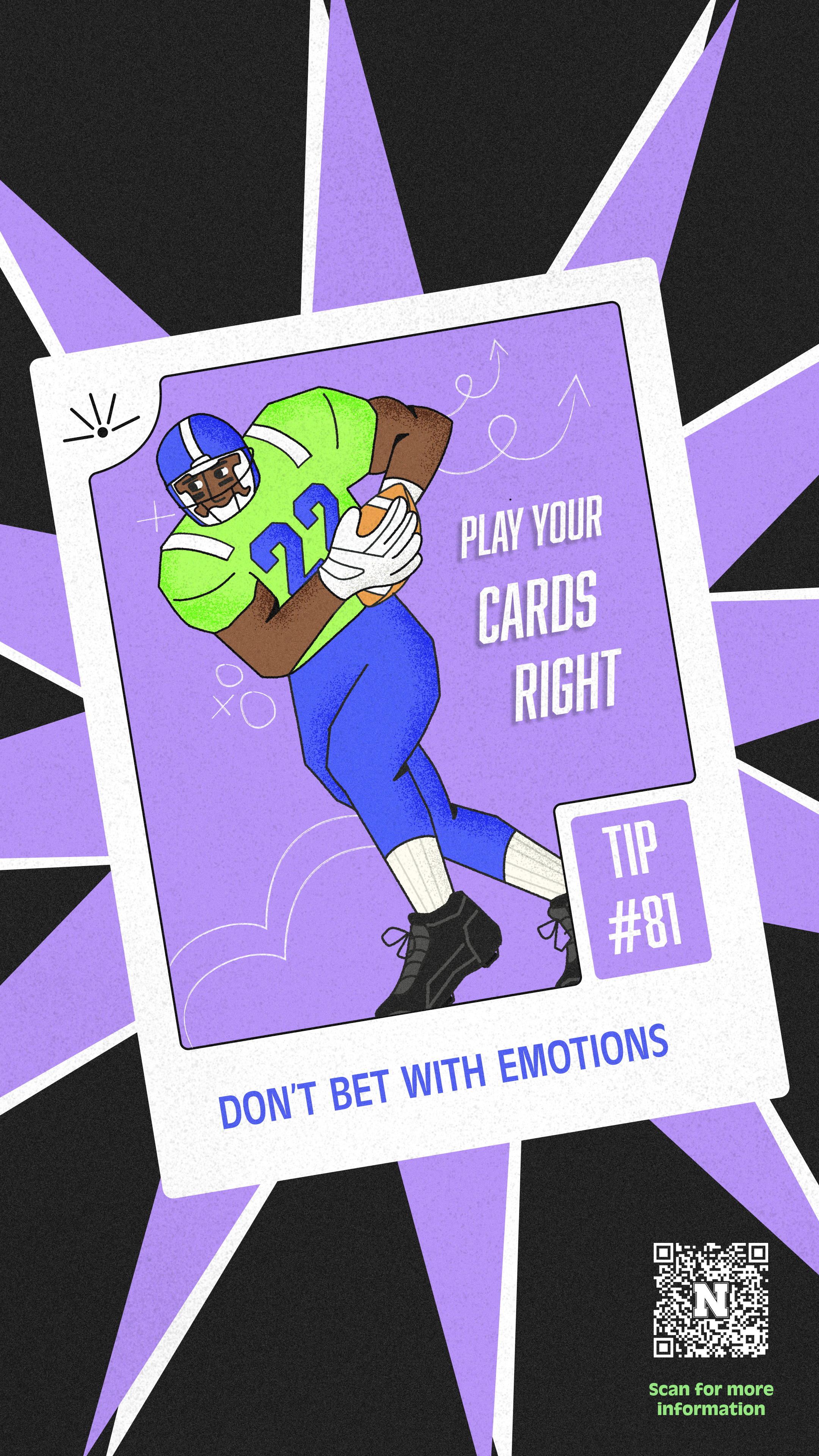
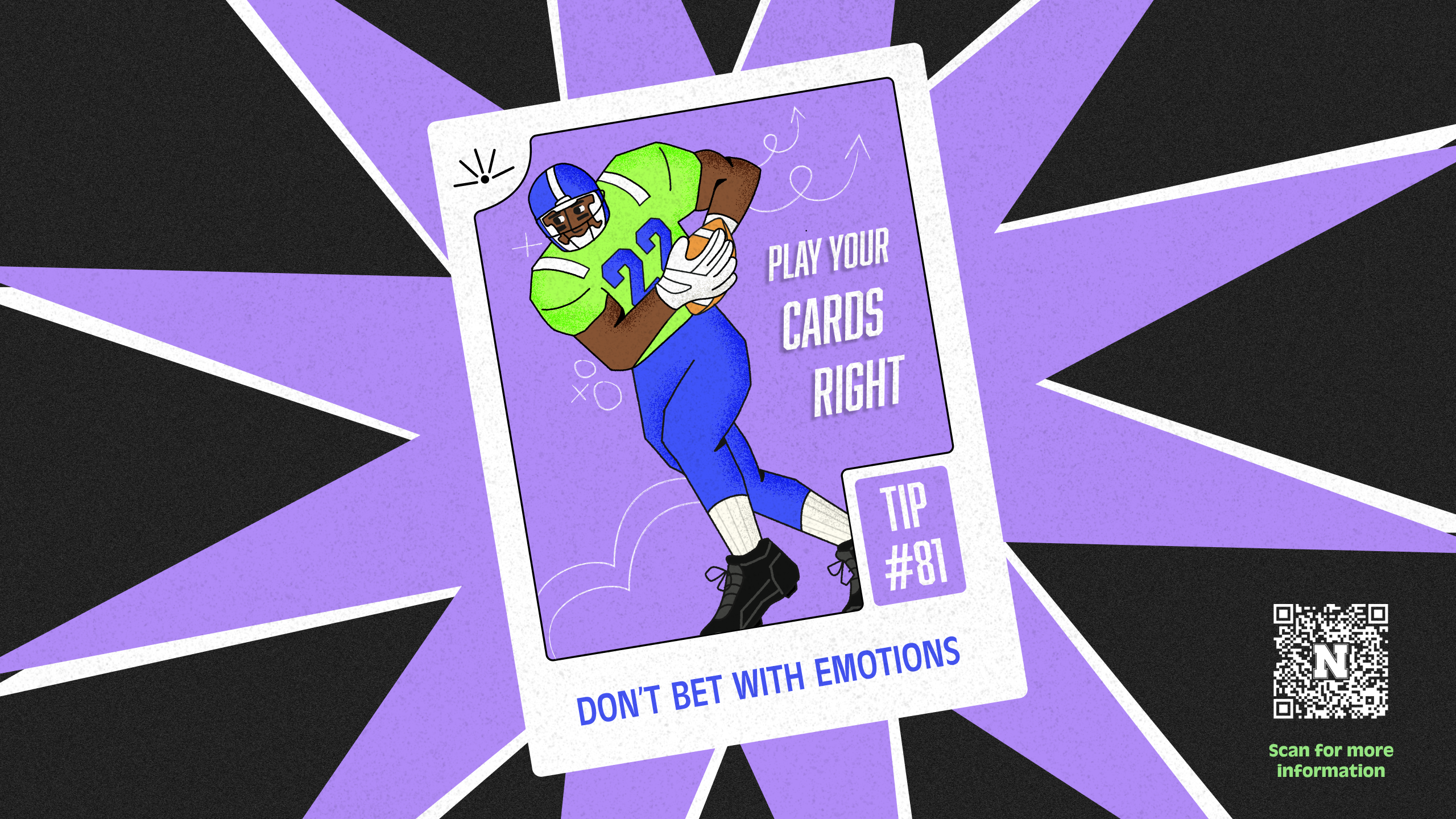
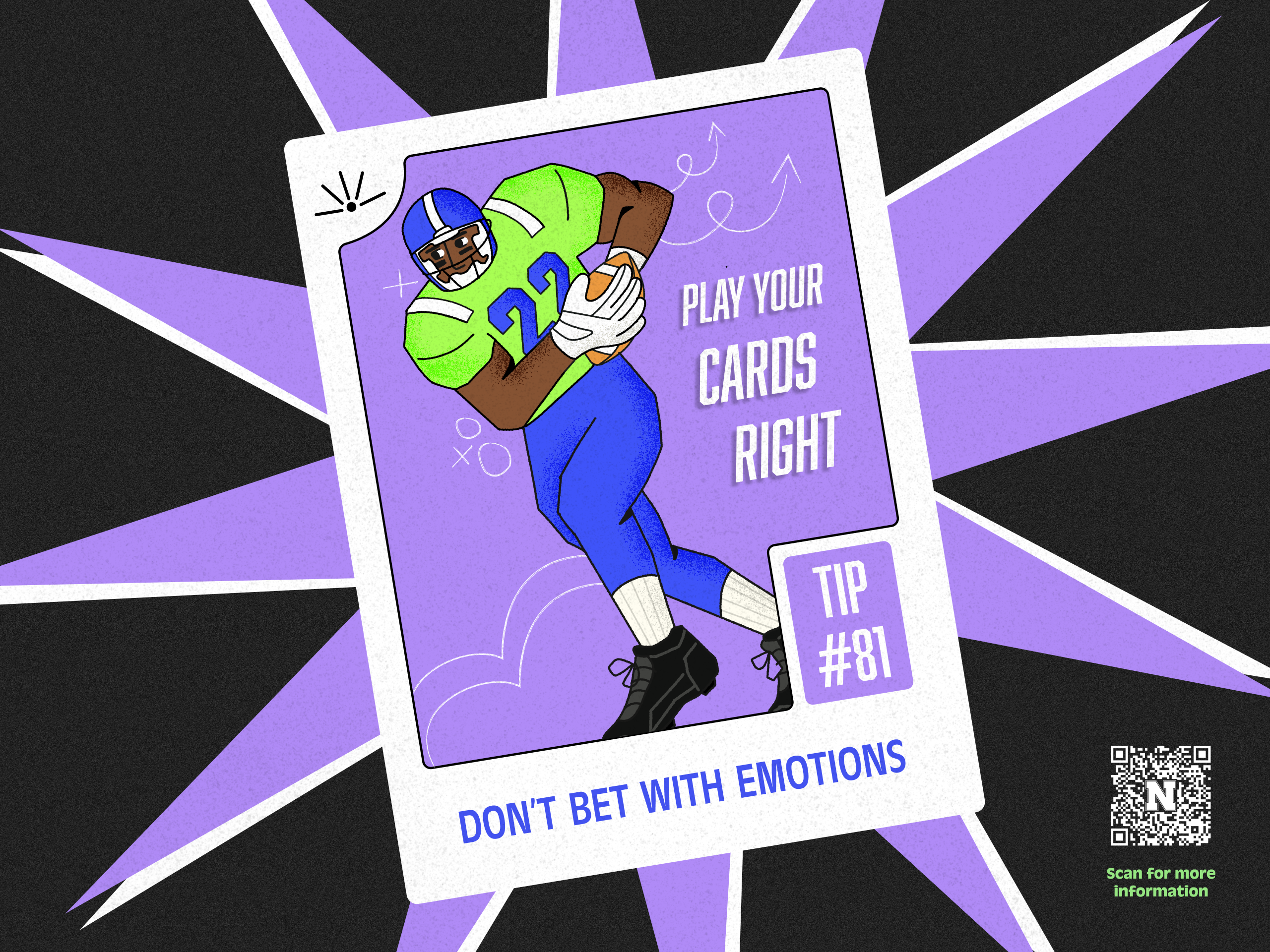
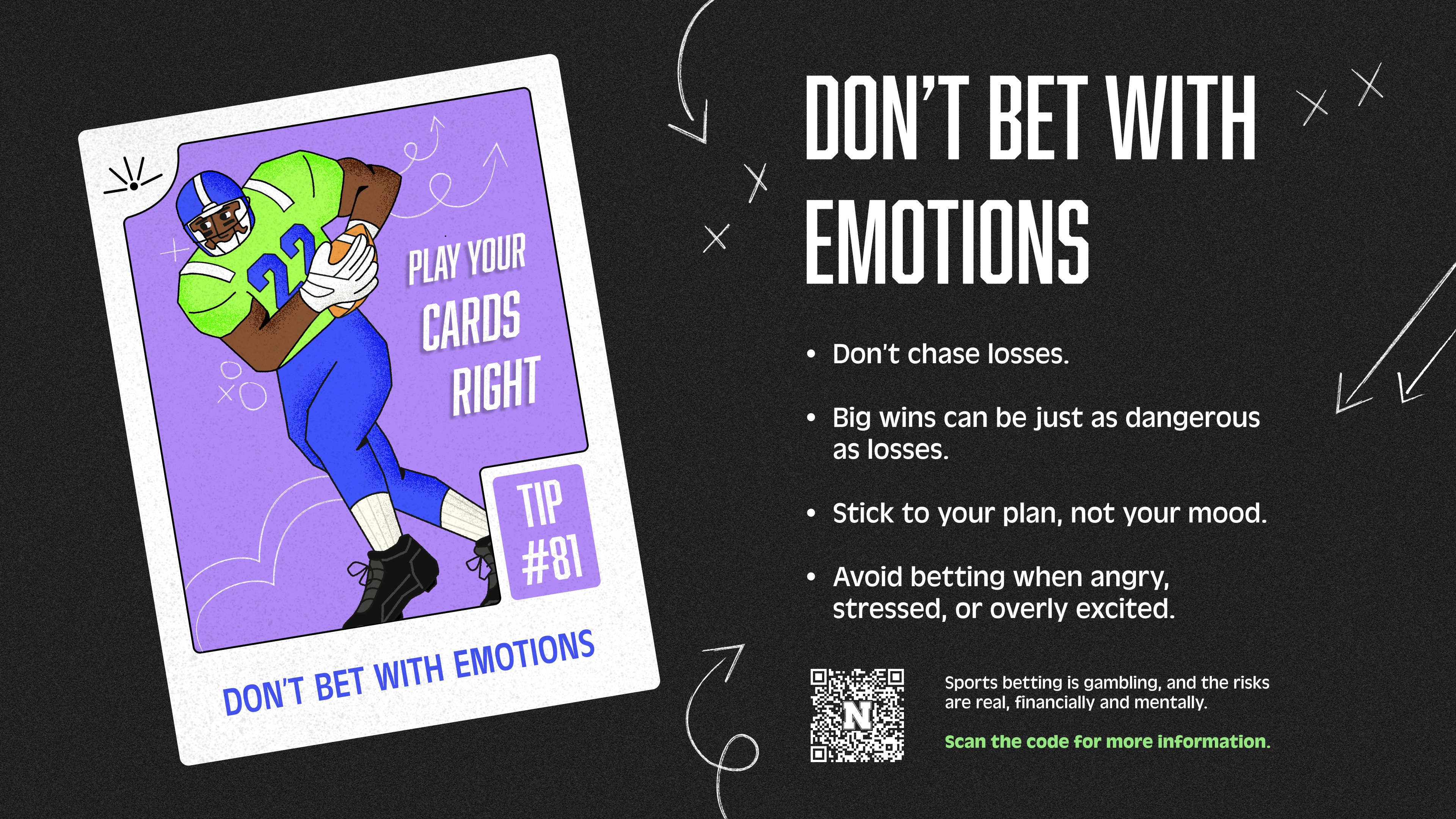
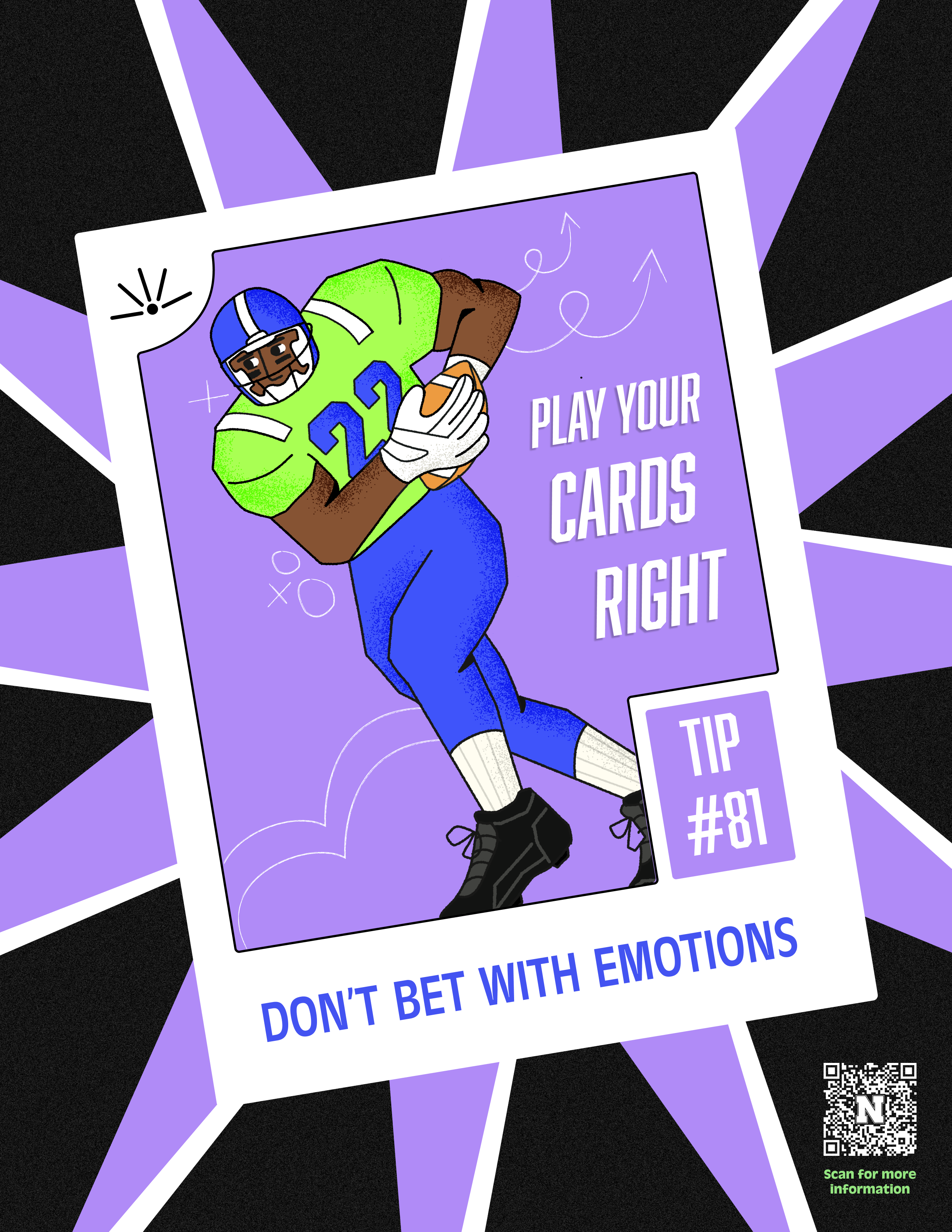
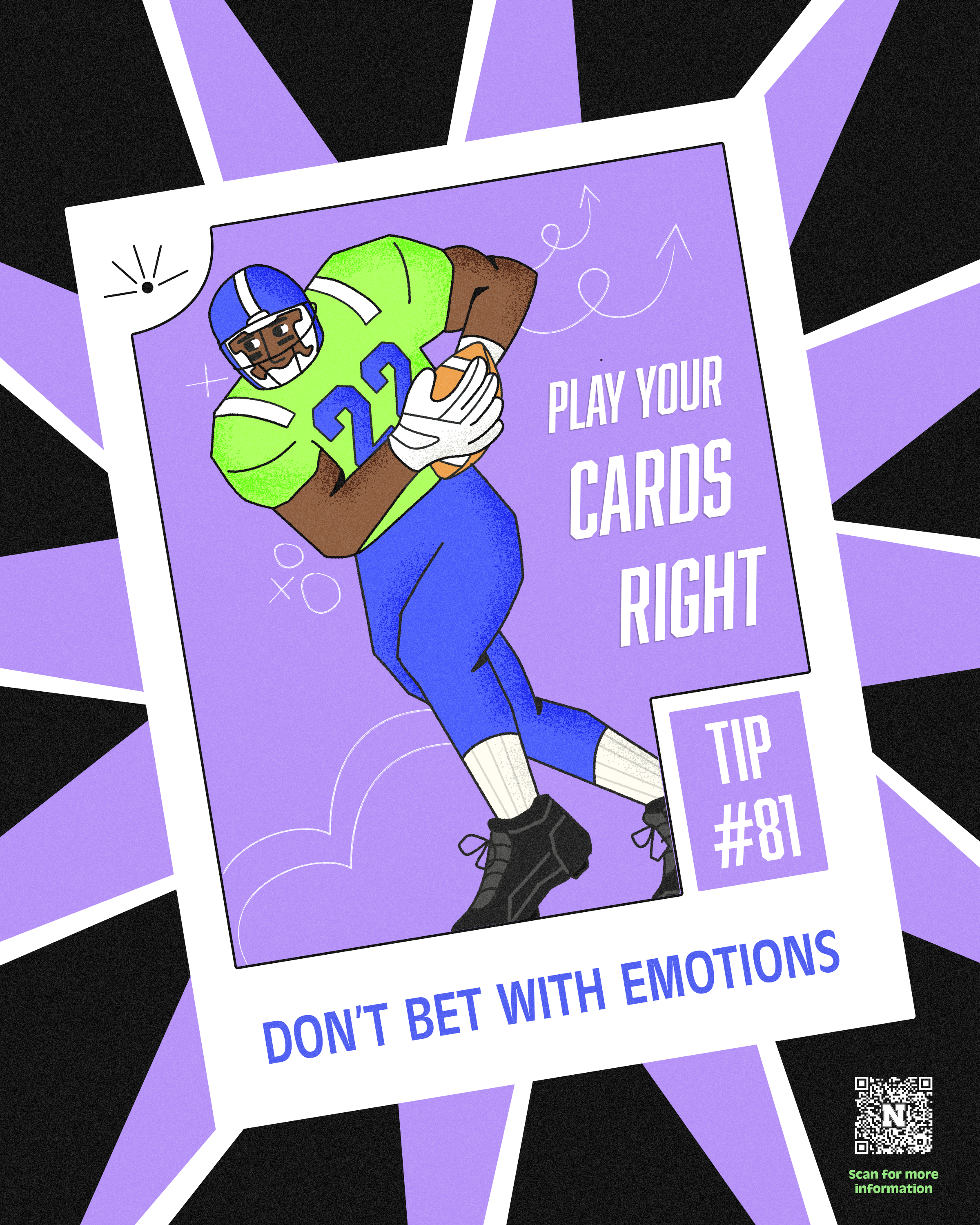
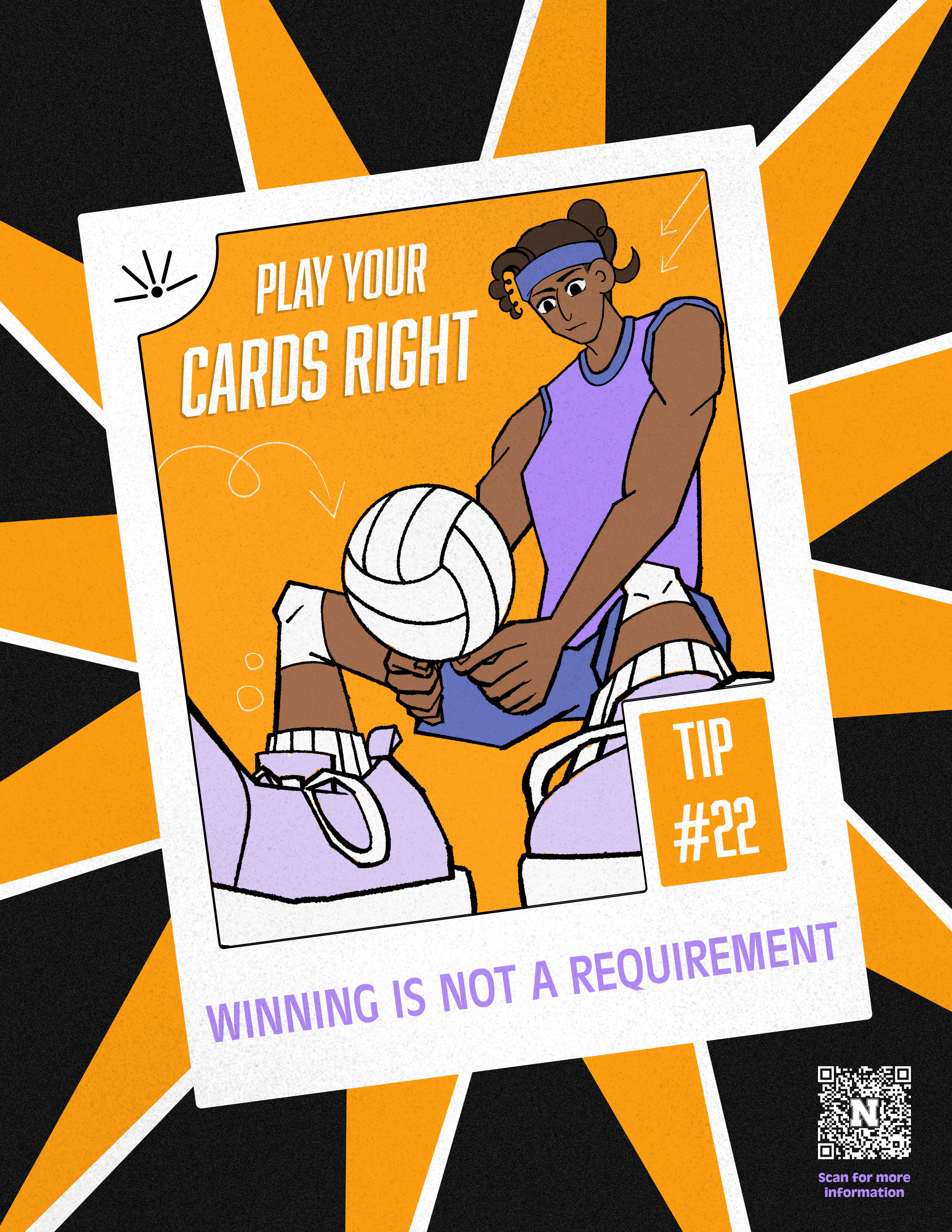
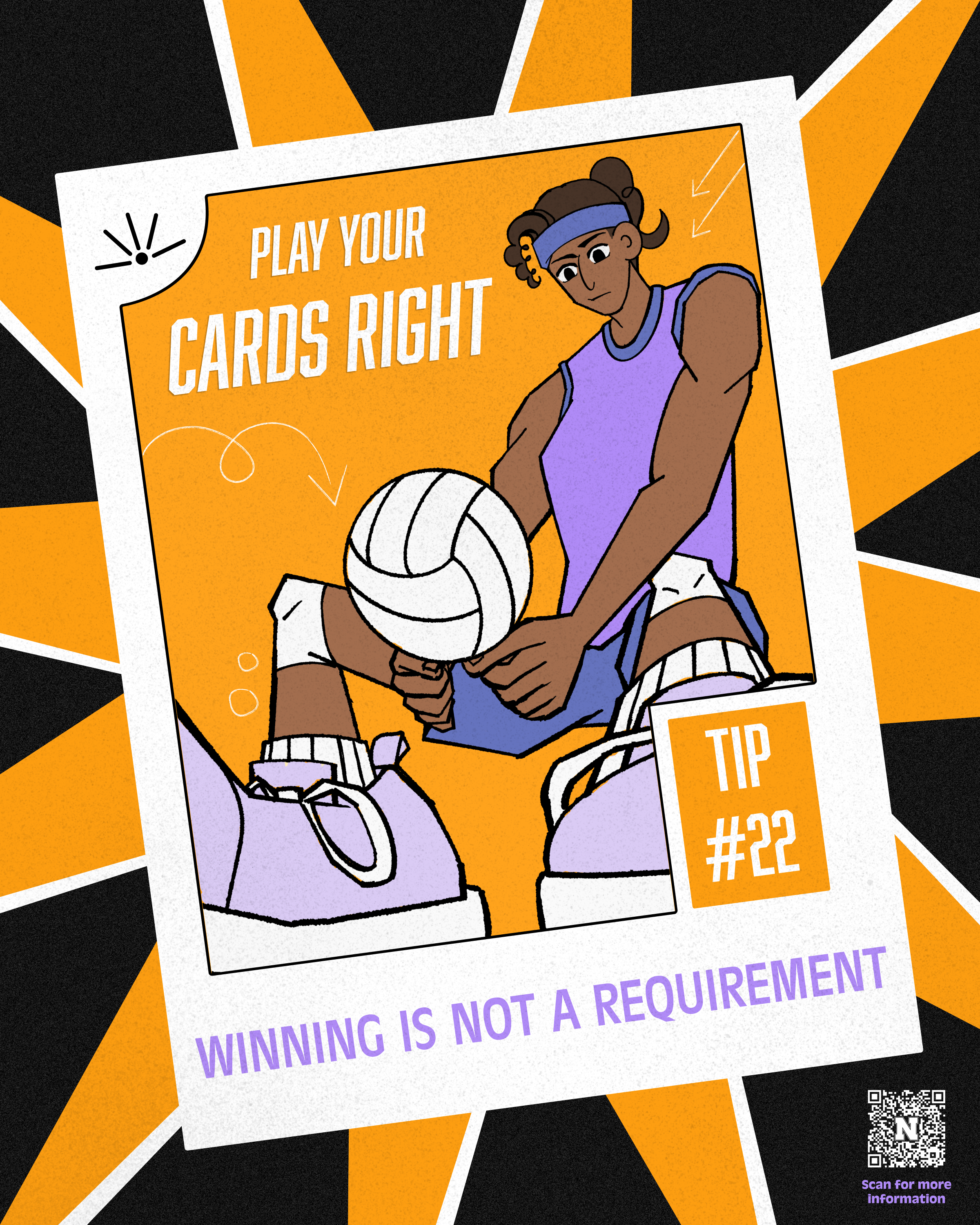
Game plans aren’t just for Saturdays. 🏈 Keeping your head in the game means knowing when to step back and stick to your strategy. Need tools, support, or tips to keep your play in check? Visit go.unl.edu/play_your_cards for resources, tips, and support to keep you on top of your game.


Downloadable Assets
- Carousel Post Good for Instagram
- Digital Assets Static Images for Social Media Posts or Digital Boards
- Print Assets
- Caption
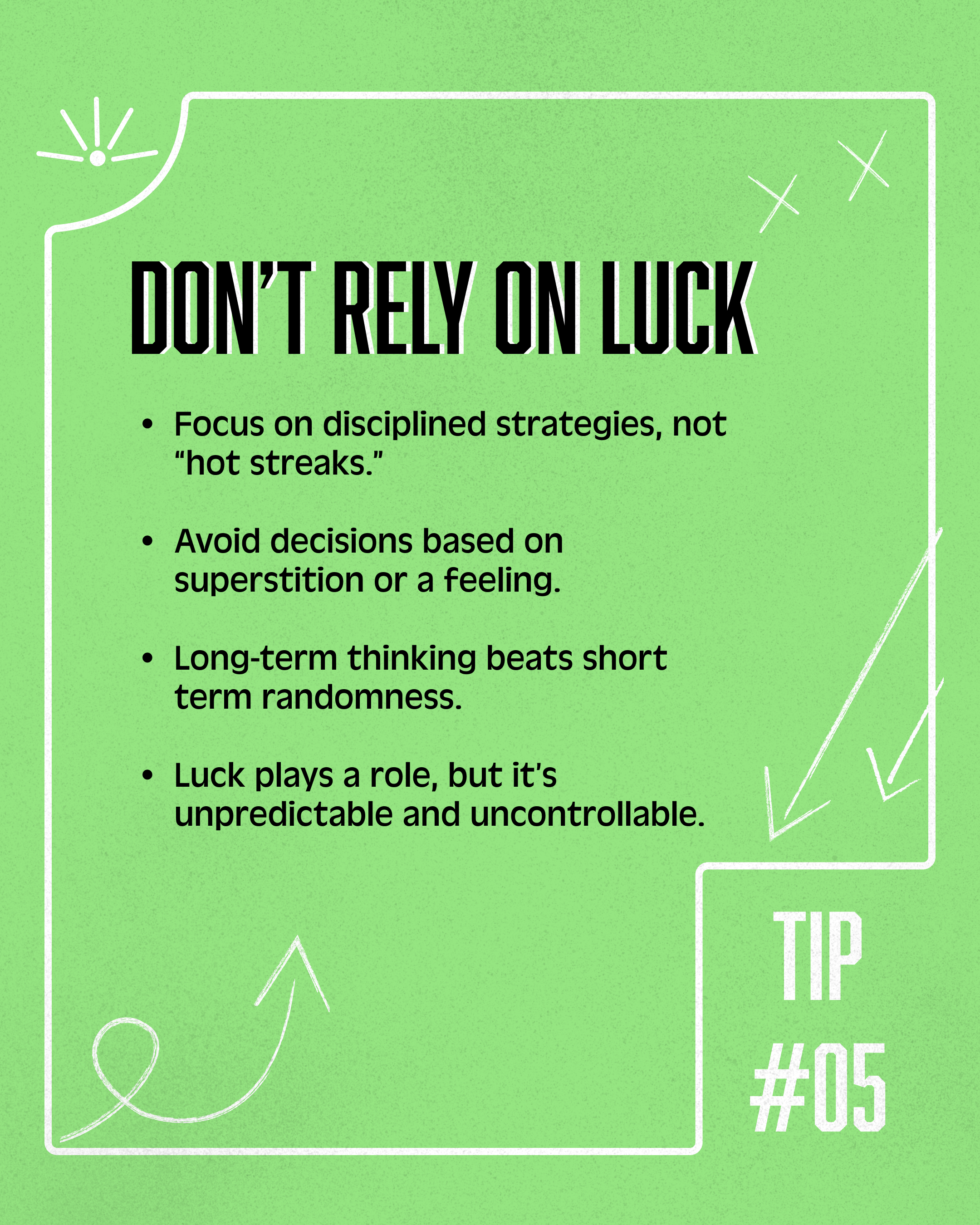
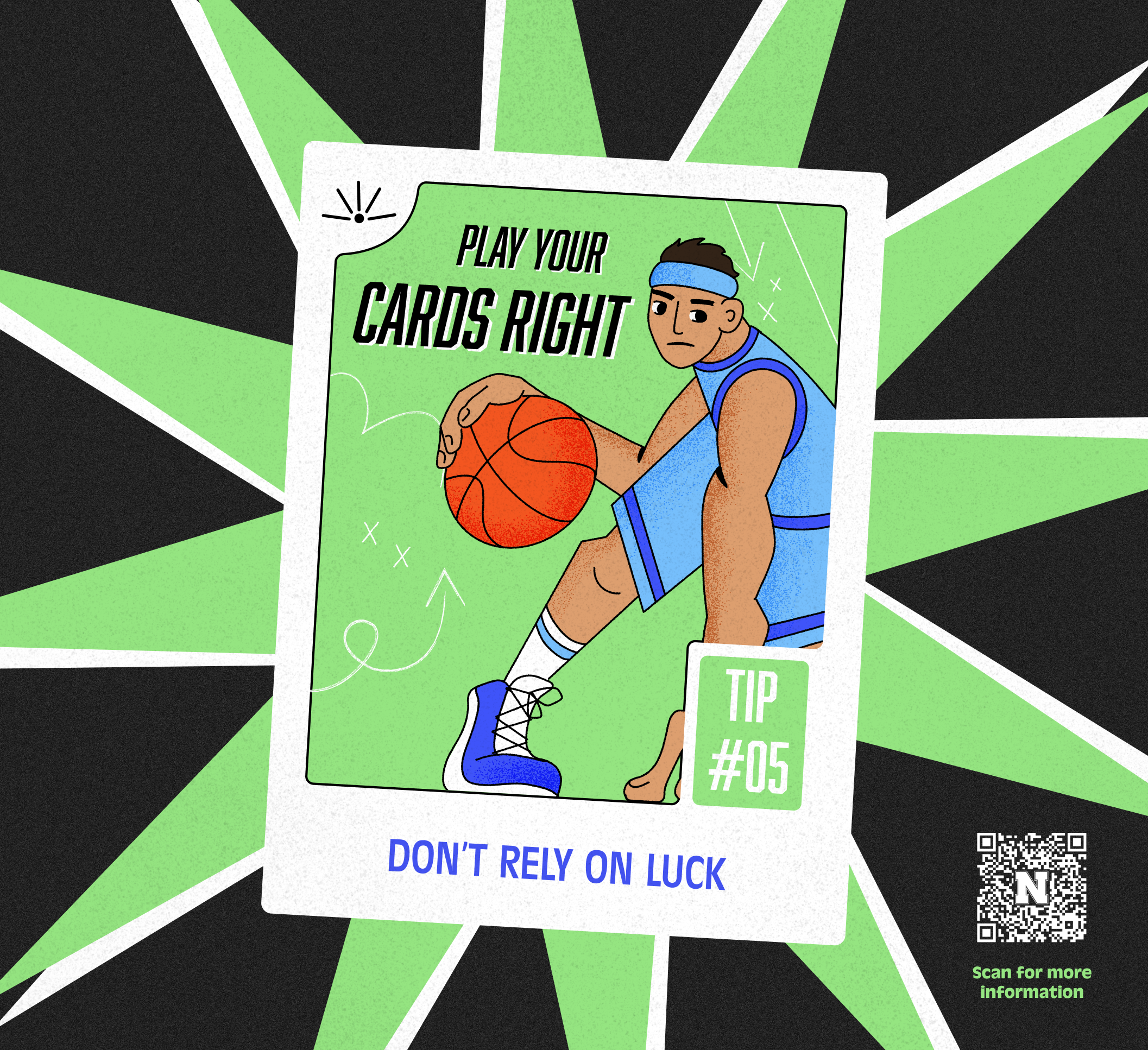
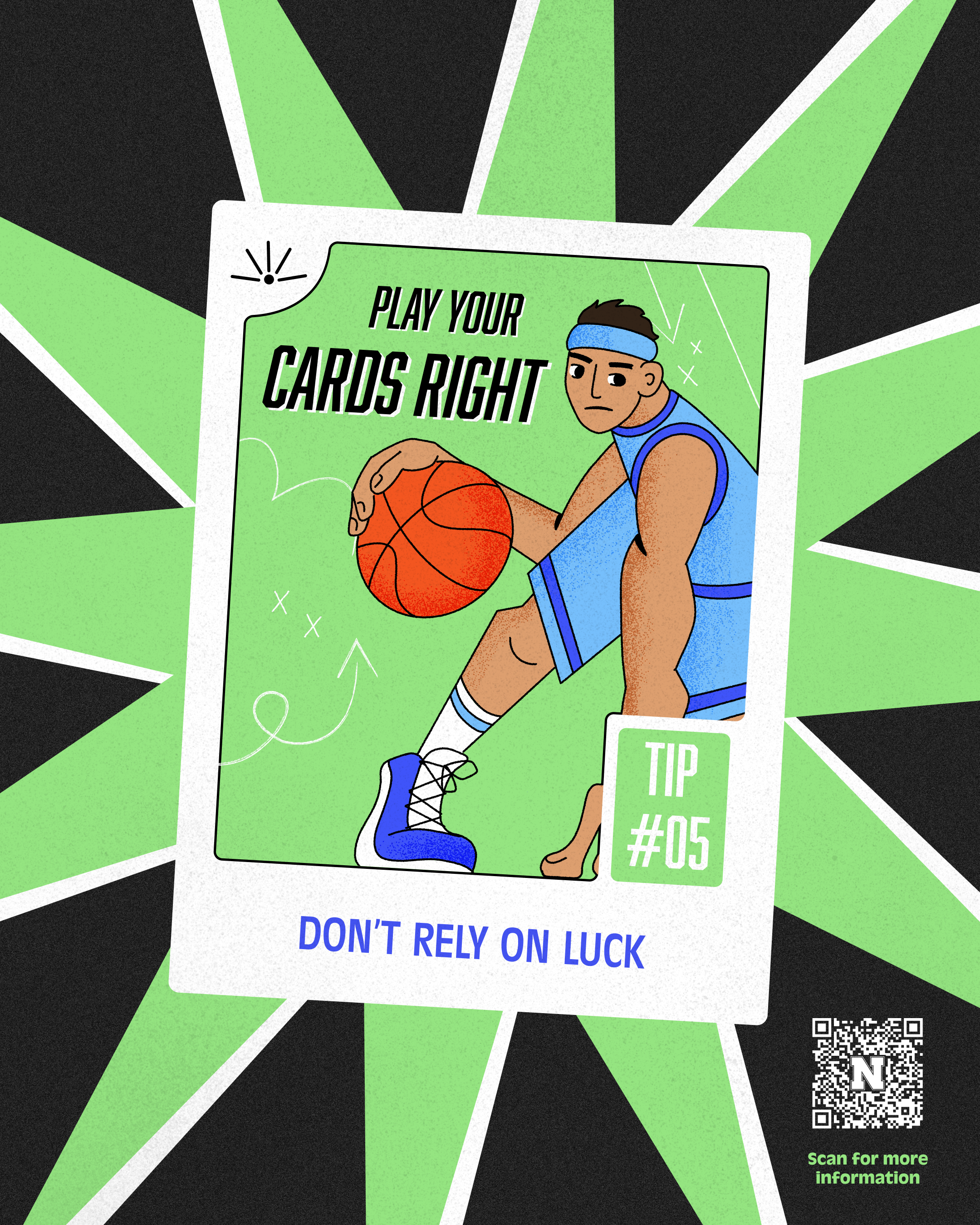
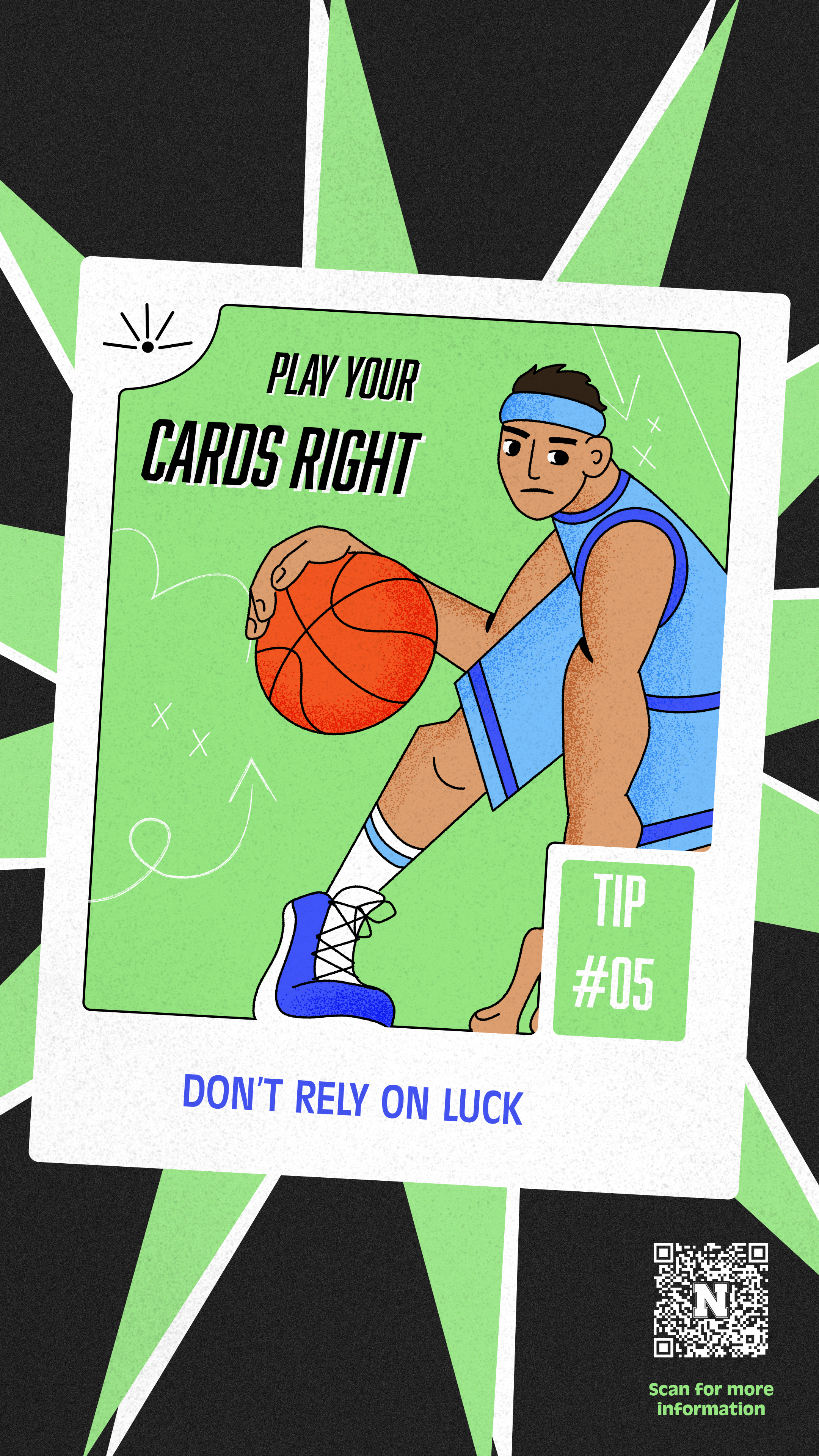
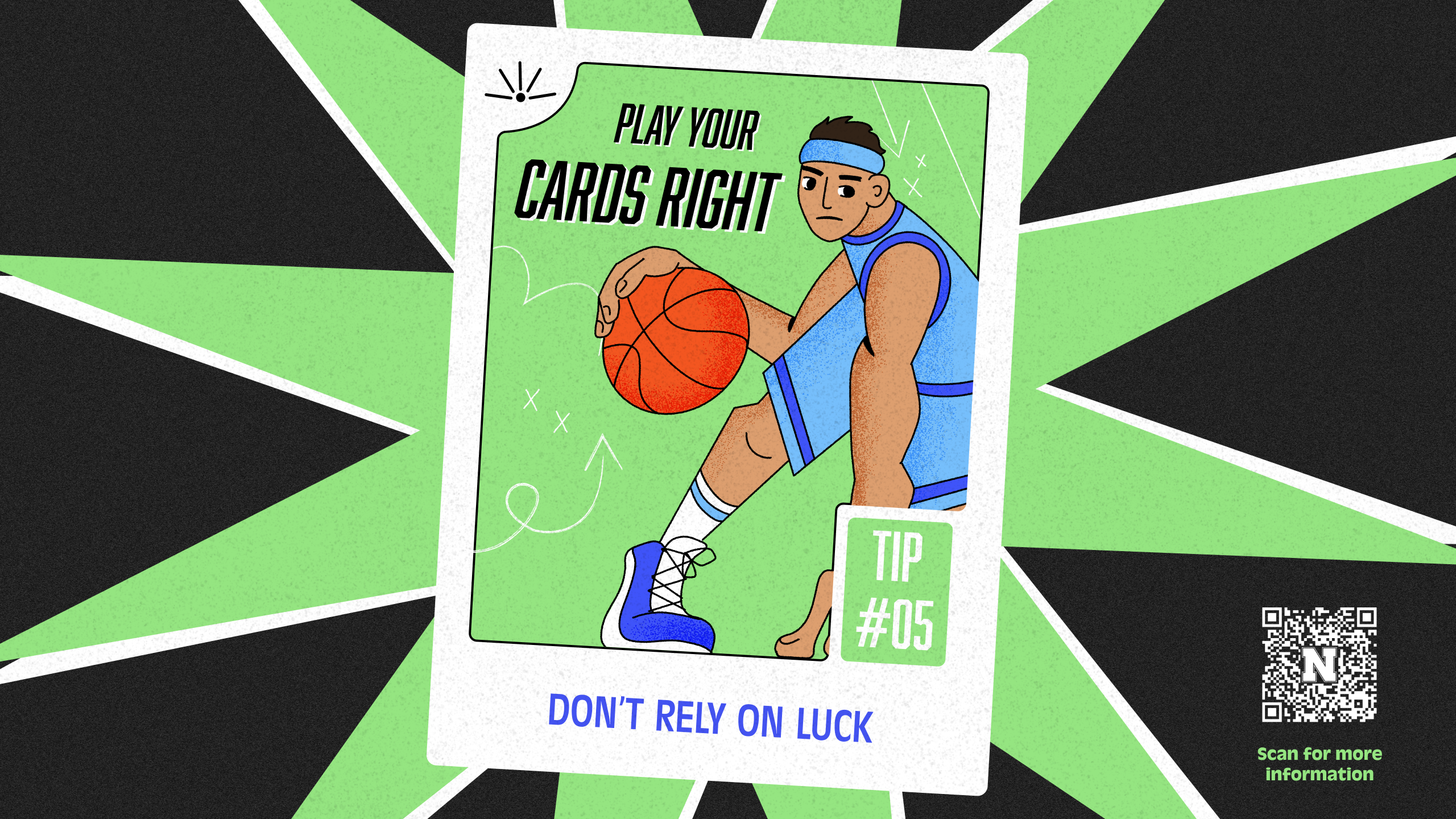
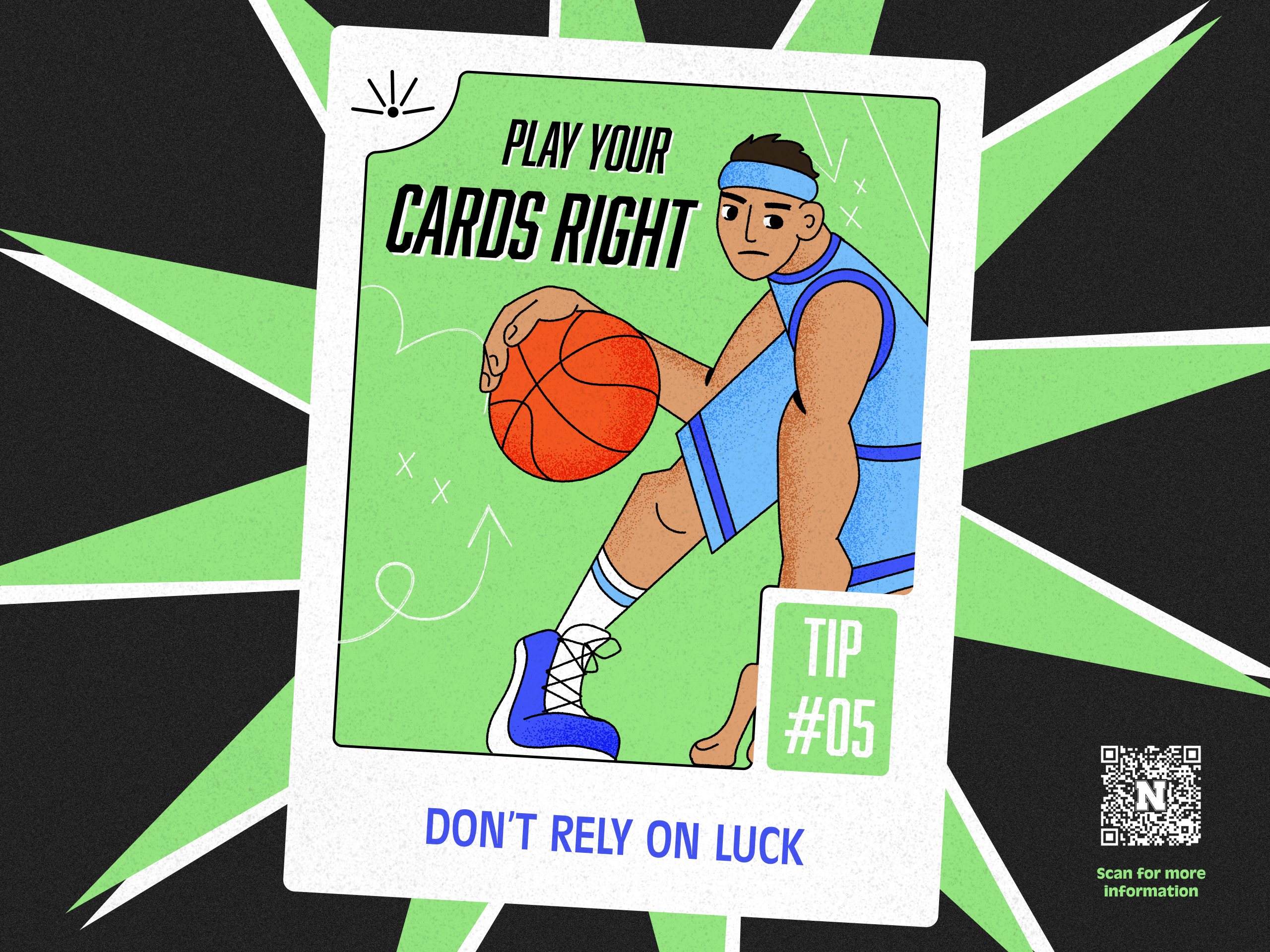
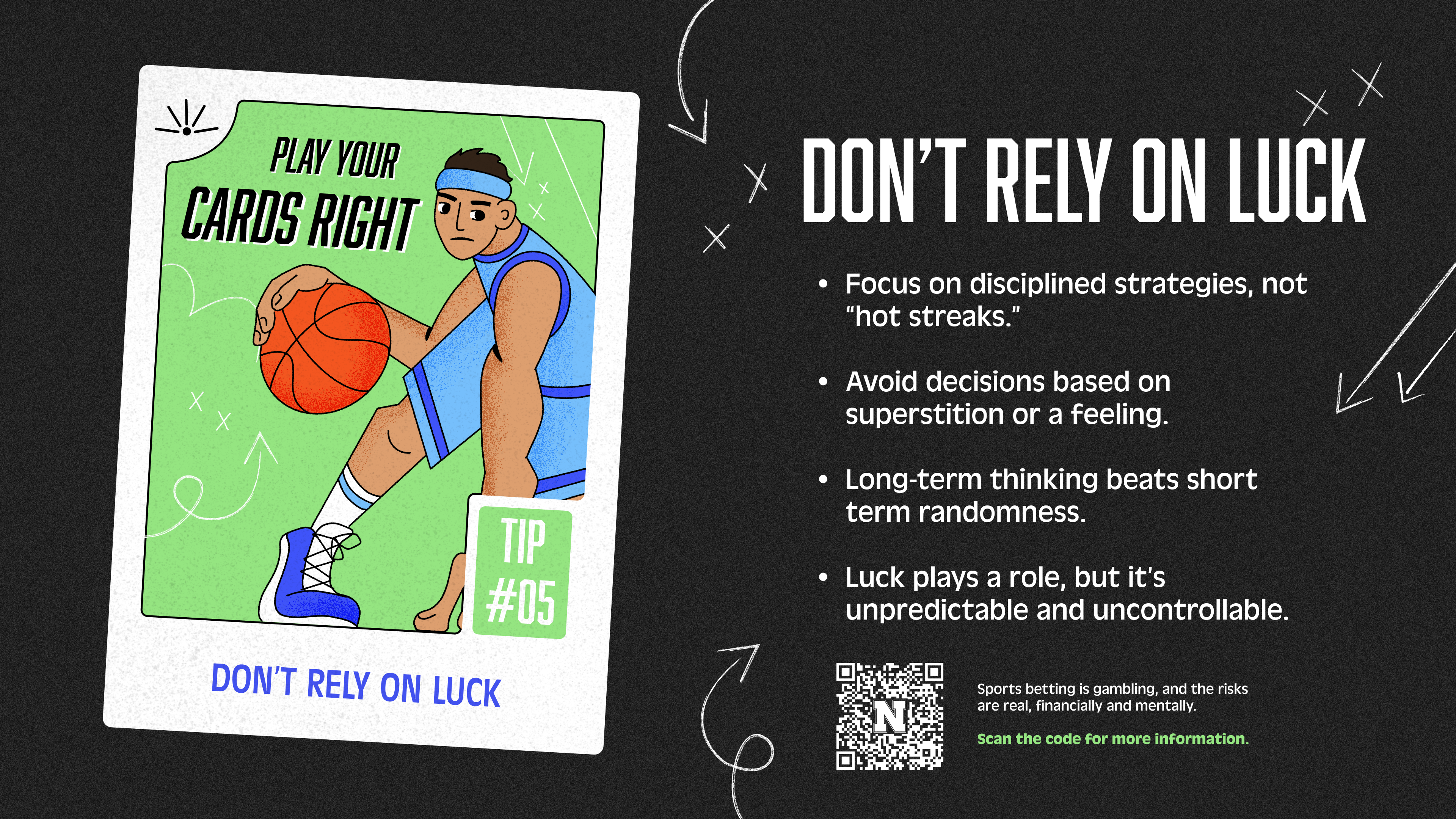
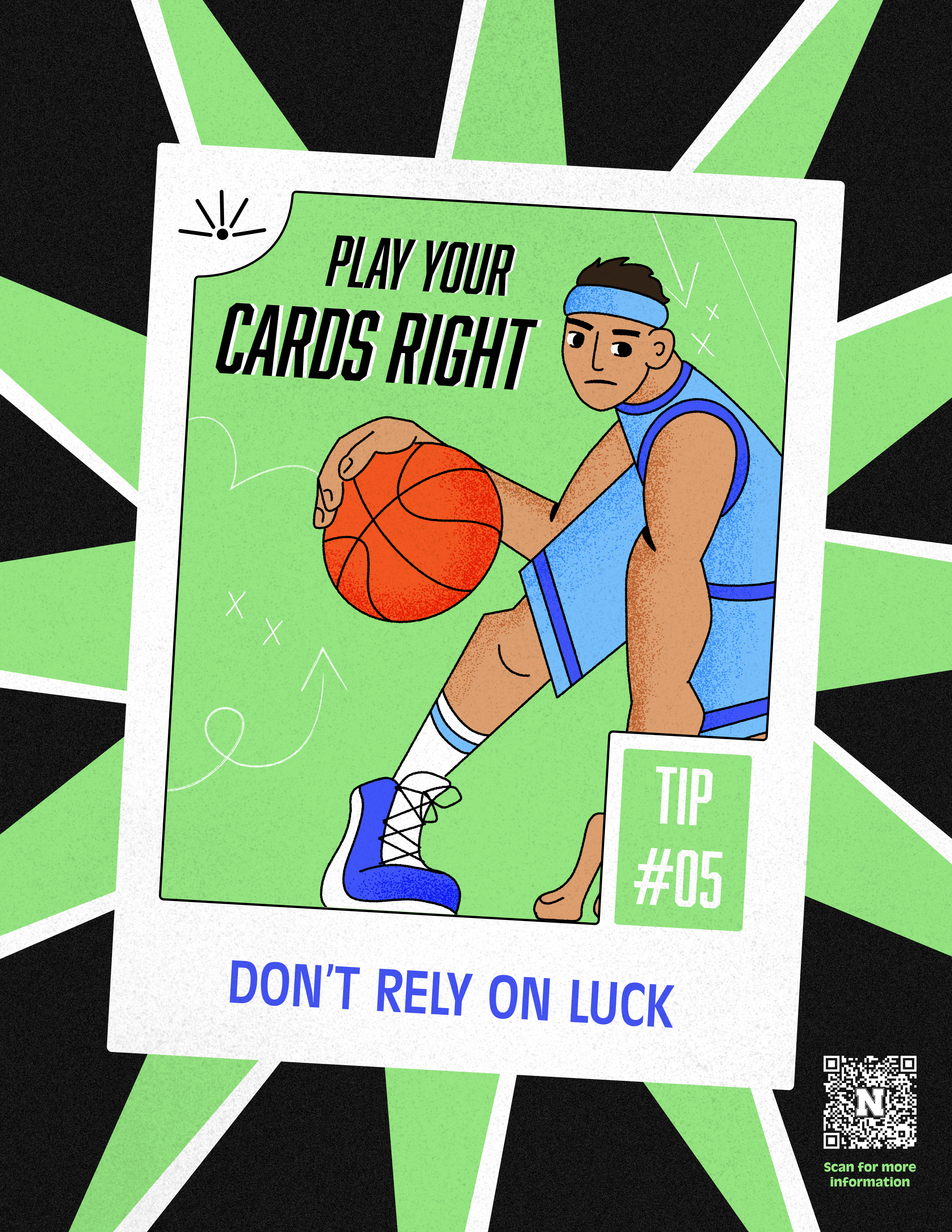
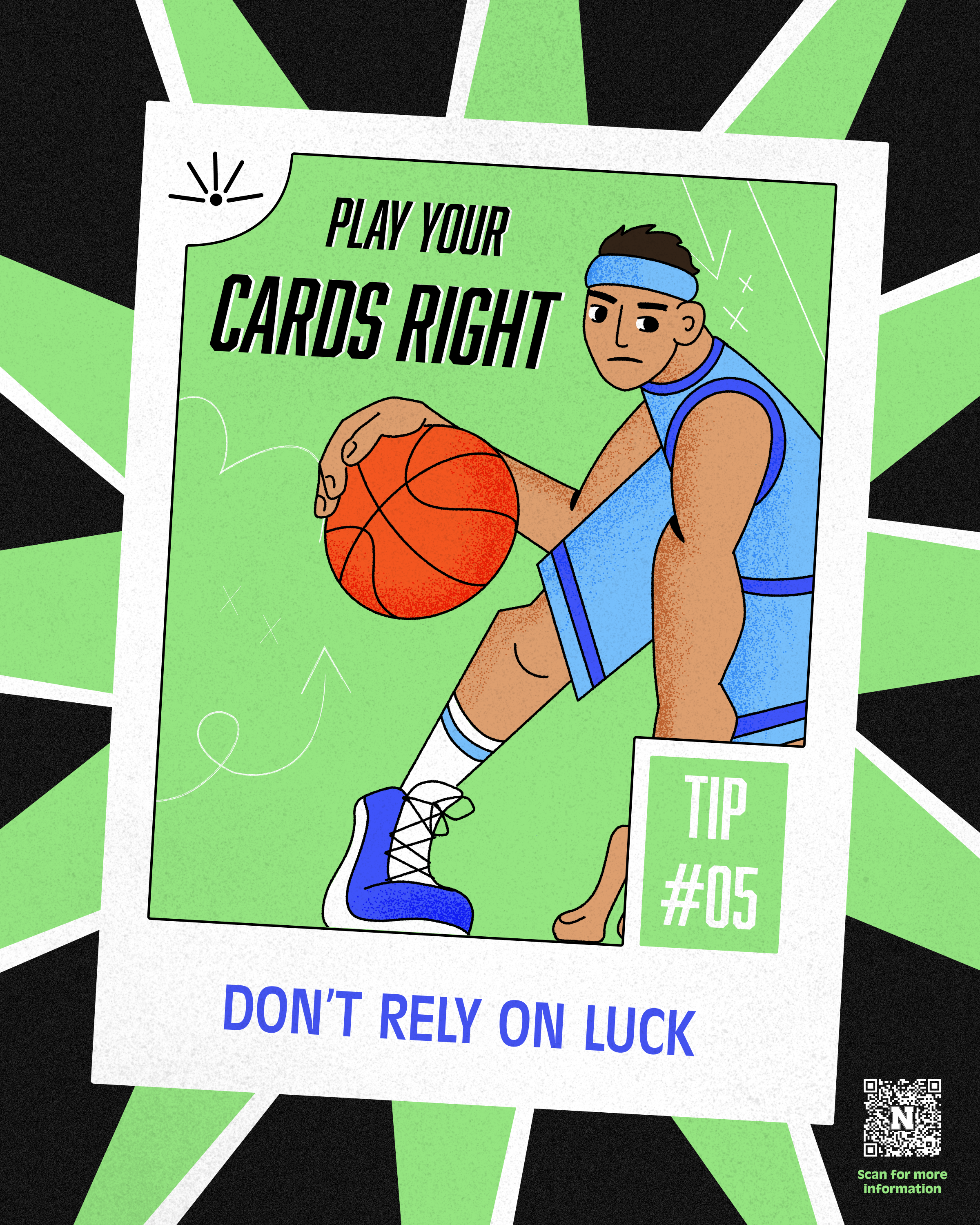
Luck might hit for a second, but discipline lasts all season. 🏀Swipe through to see why relying on hot streaks or superstitions is a risky play—and why long-term thinking always wins over short-term randomness. Need tools, support, or tips to keep your play in check? Visit go.unl.edu/play_your_cards for resources, tips, and support to keep you on top of your game.

Downloadable Assets
- Carousel Post Good for Instagram
- Digital Assets Static Images for Social Media Posts or Digital Boards
- Print Assets
- Caption
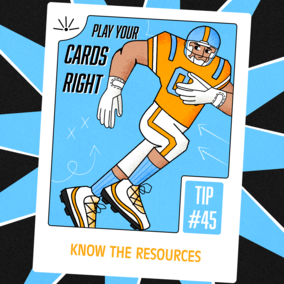
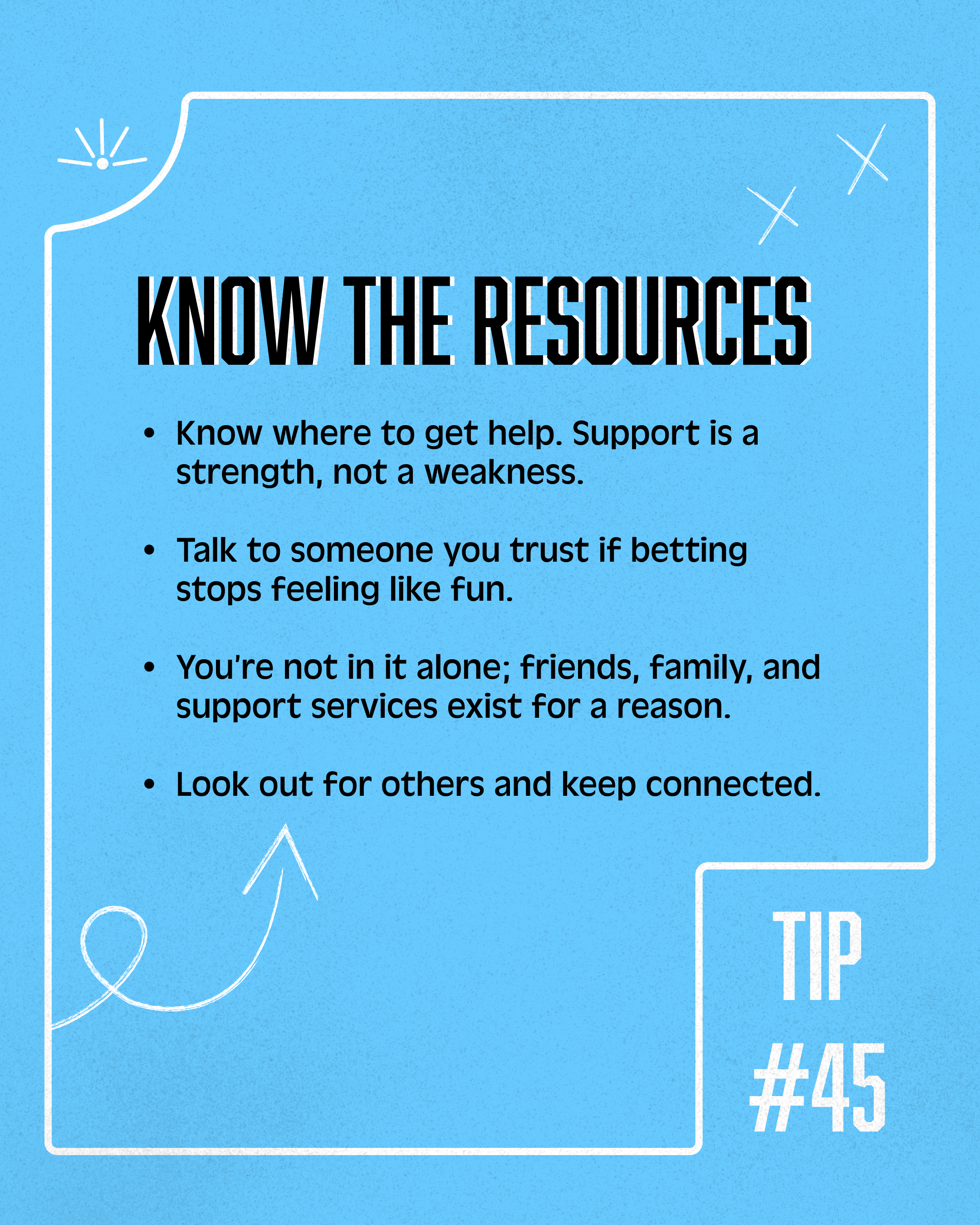
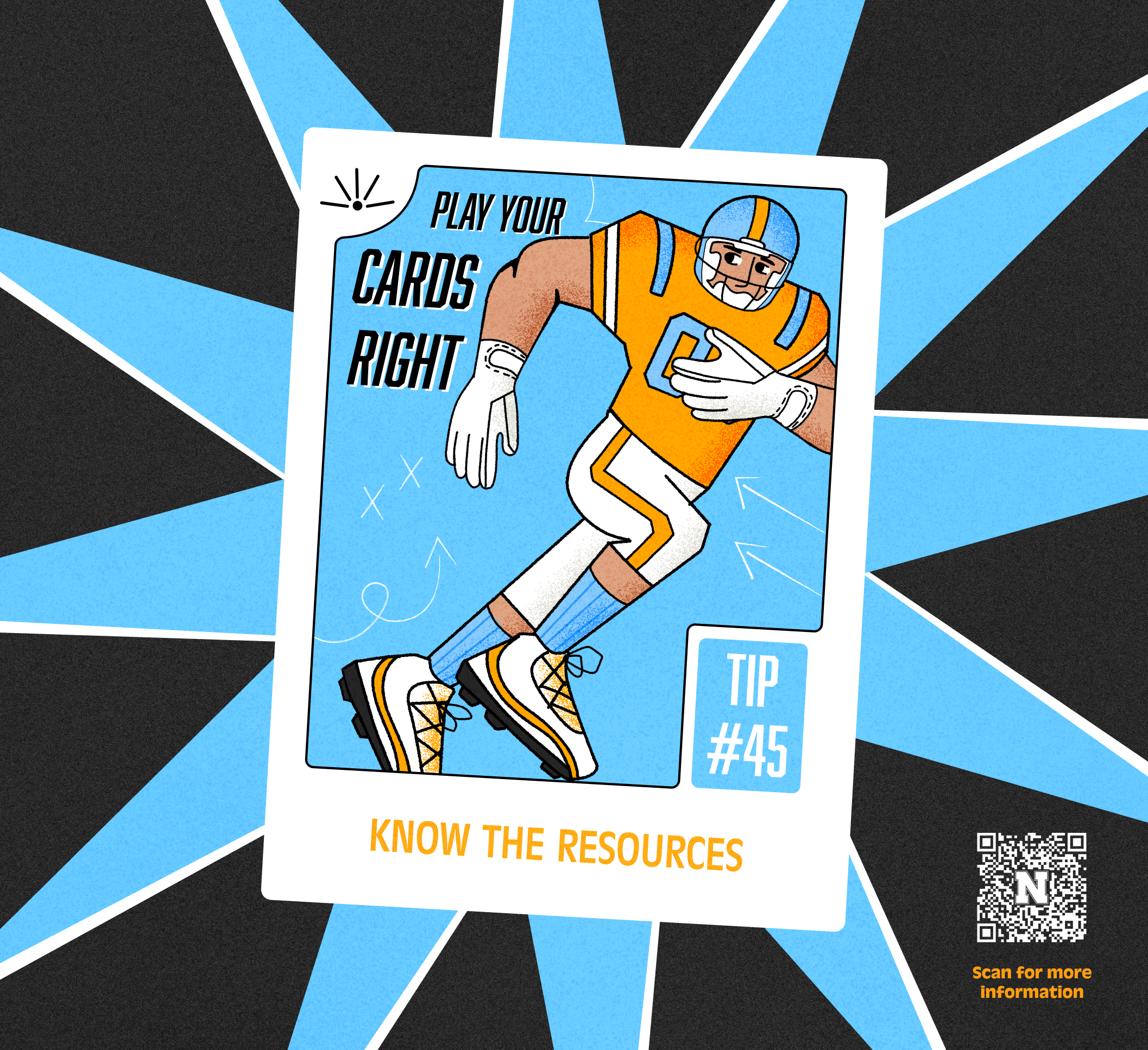
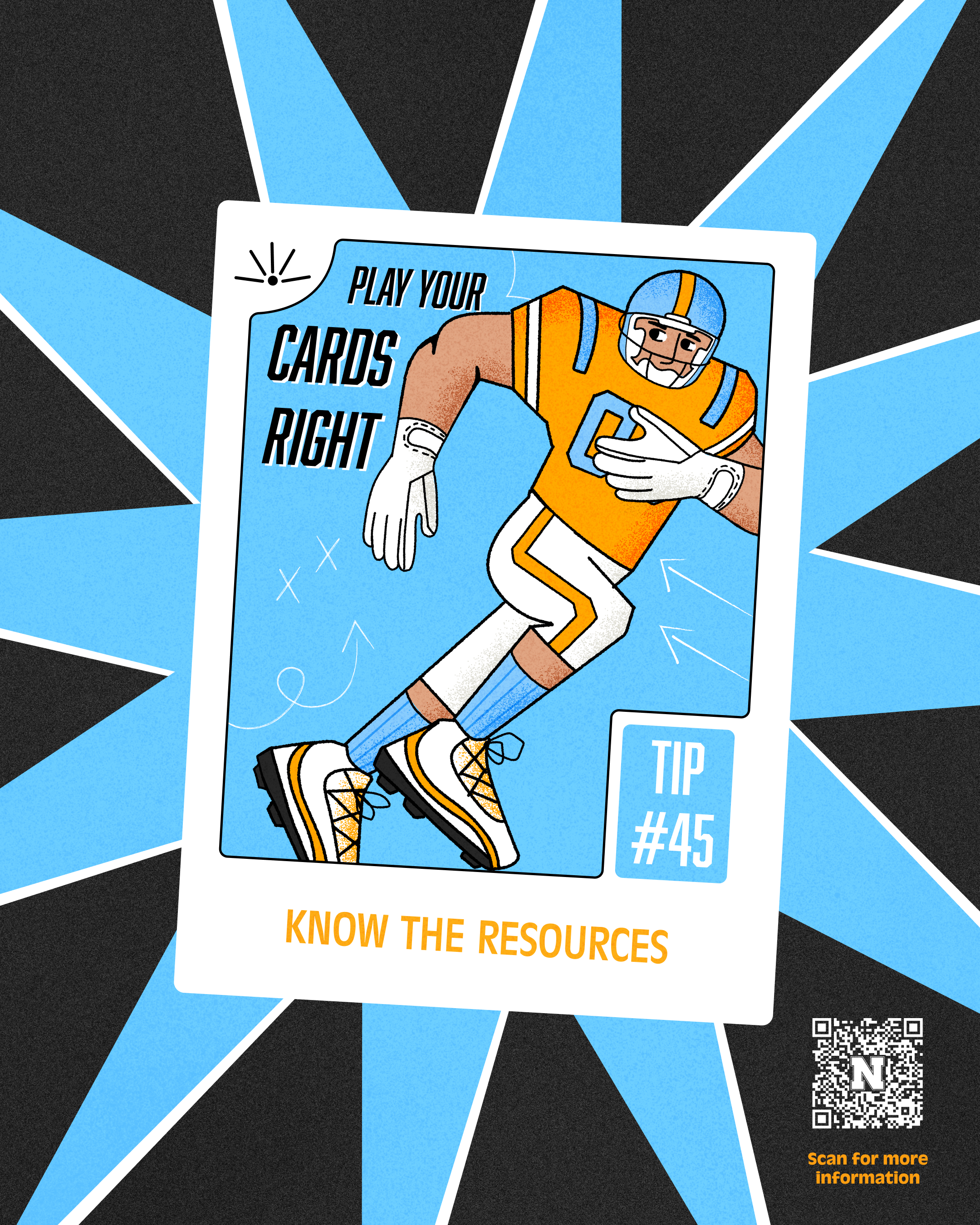
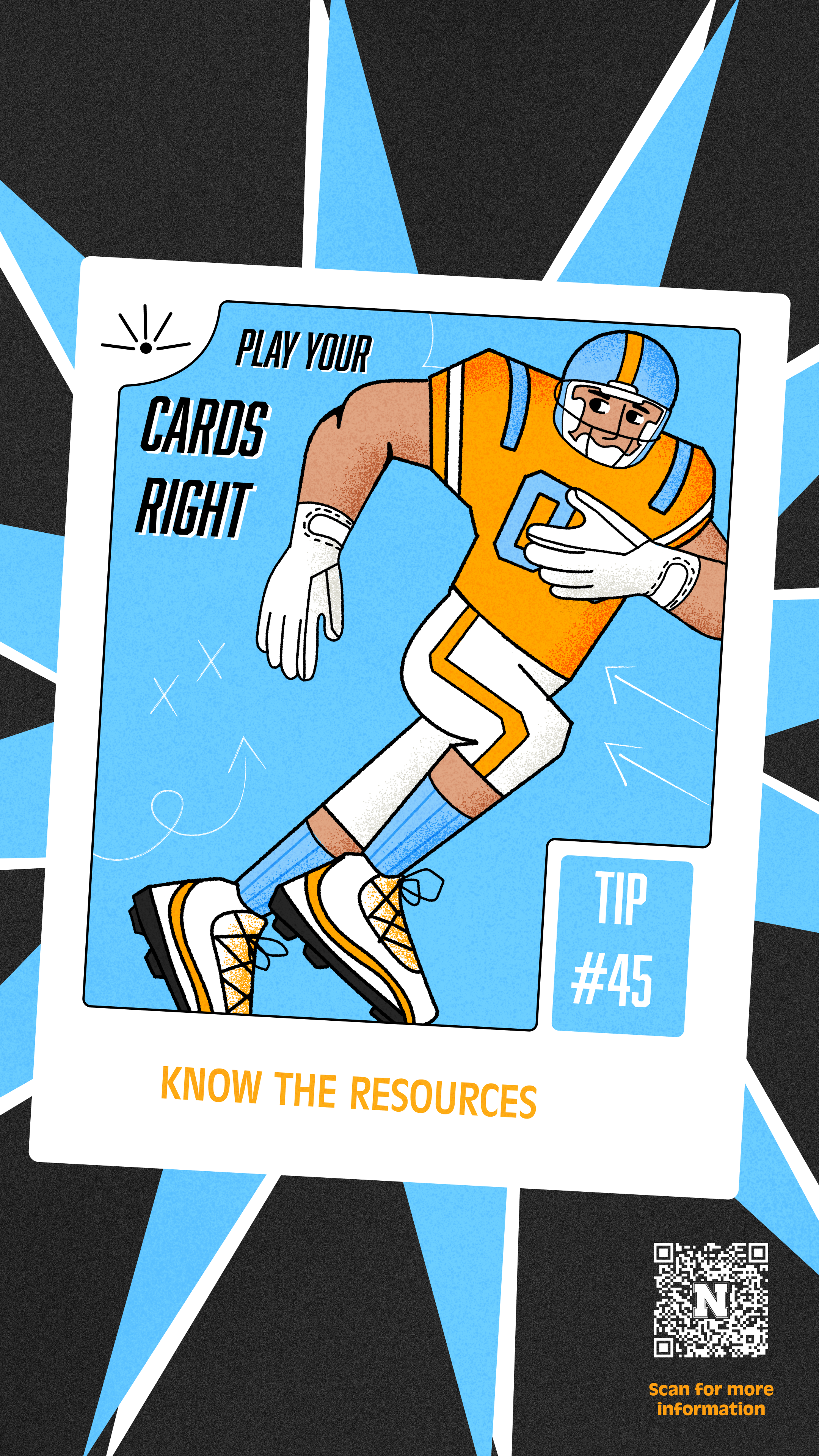
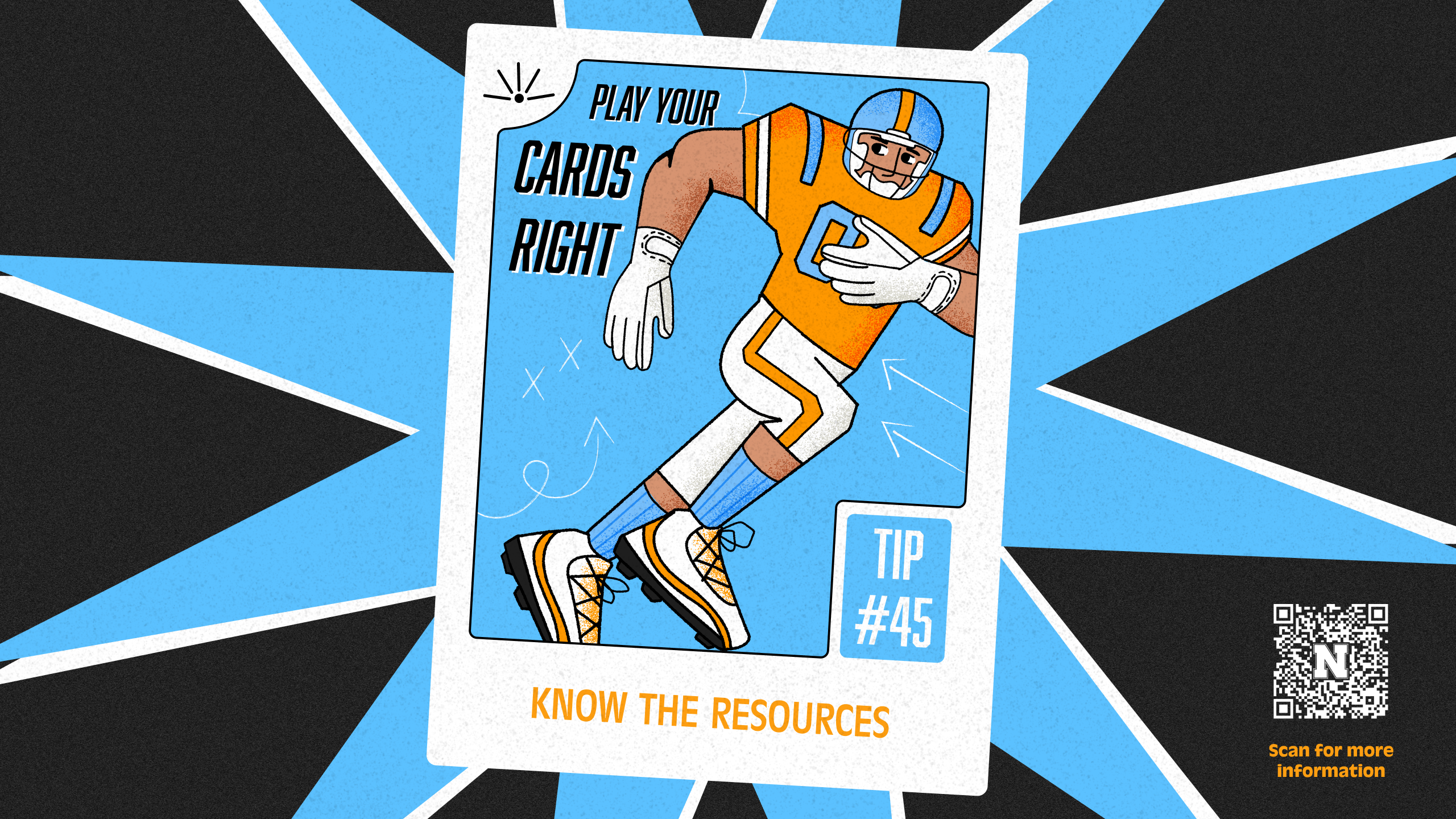
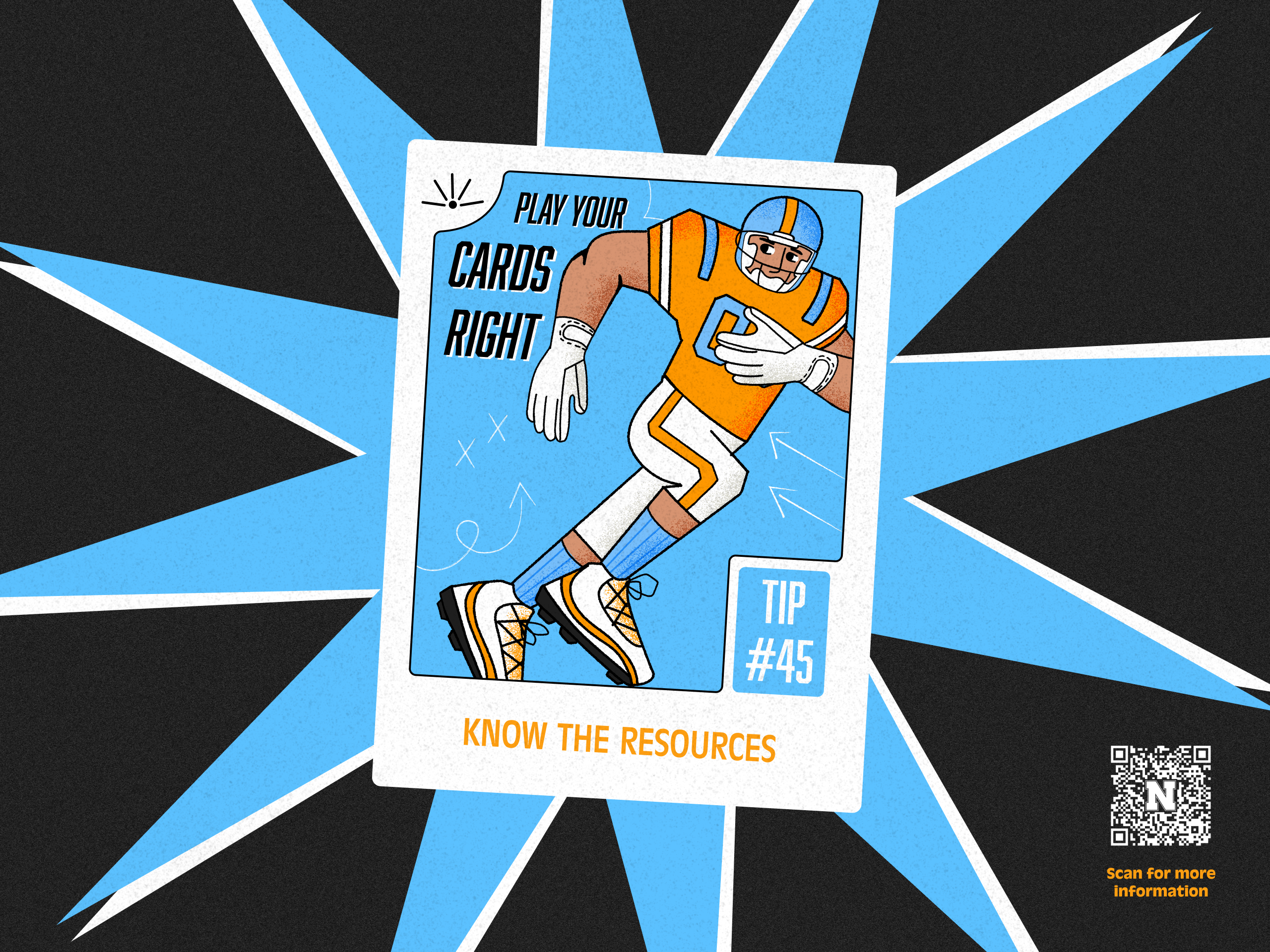
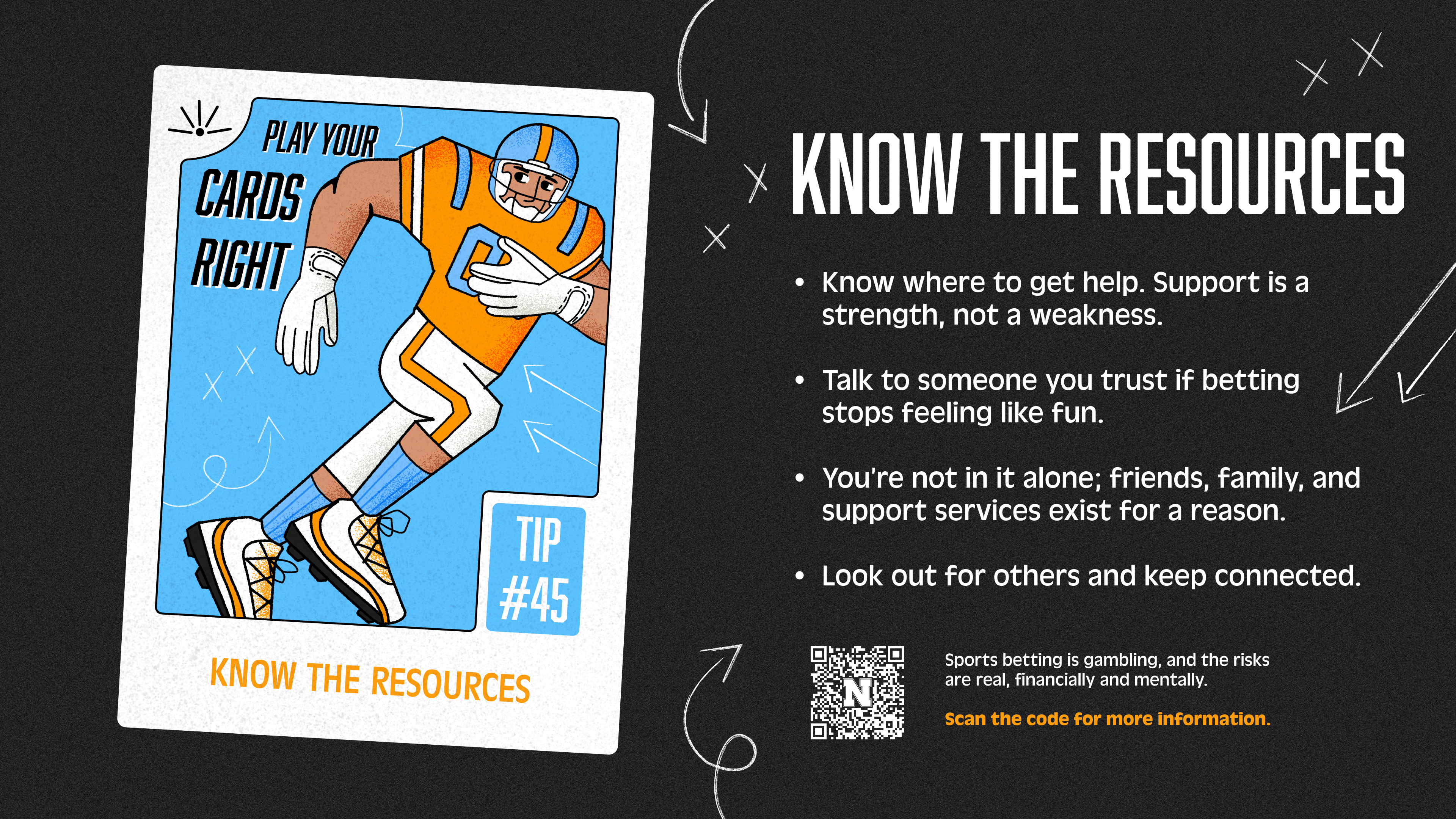
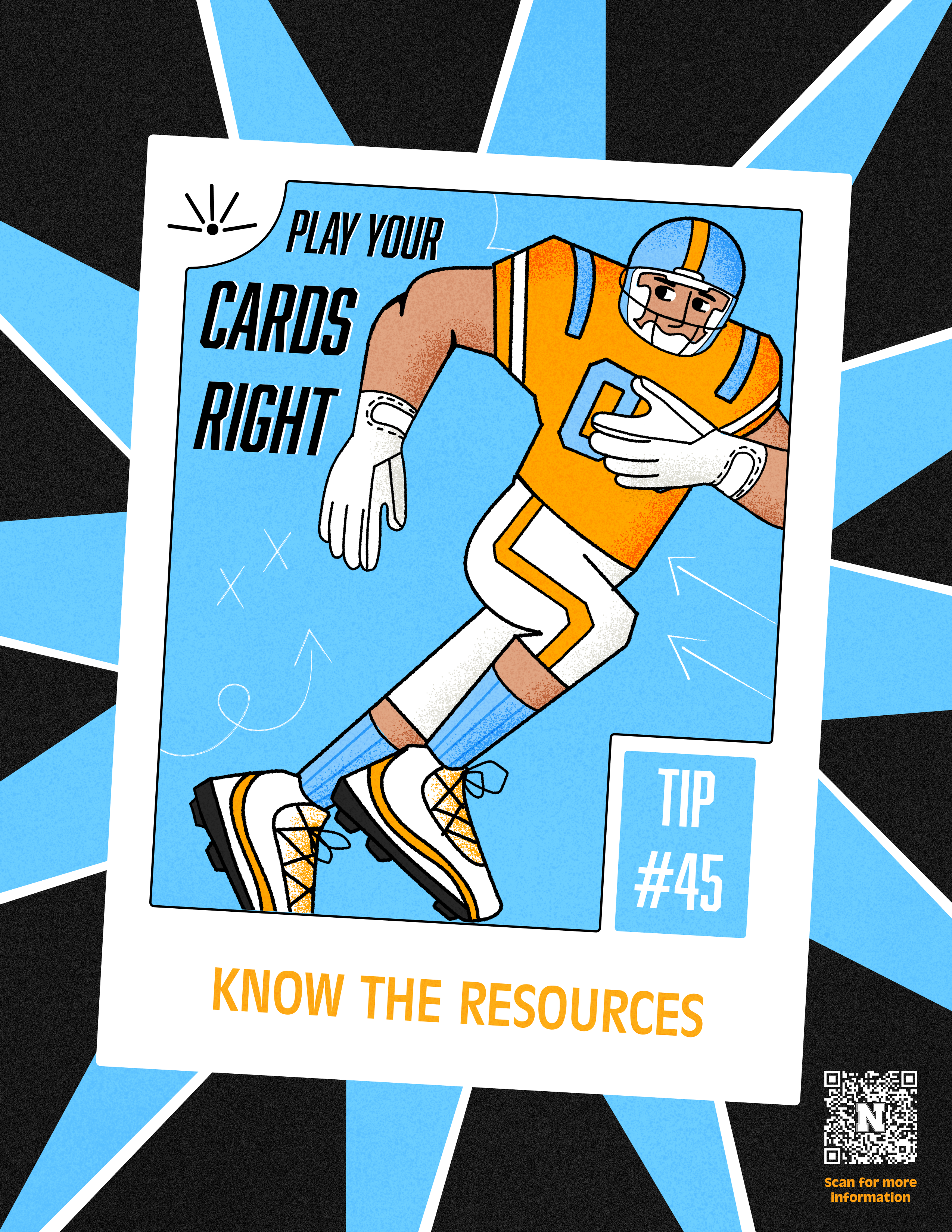
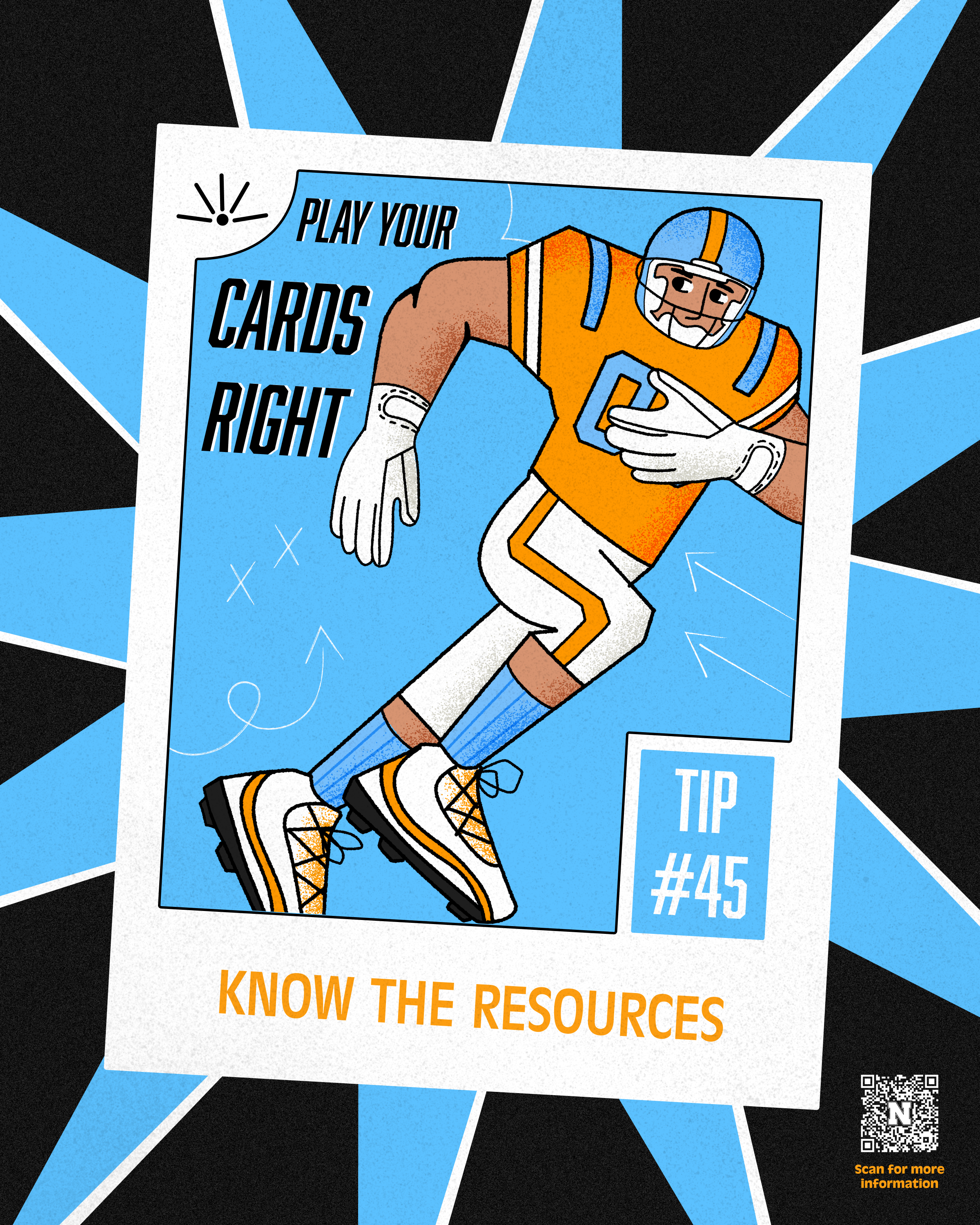
Even the best players have a team behind them. 🏈 Calling for support isn't a penalty—it's just smart game planning. Swipe through to learn why reaching out is a sign of strength, how to look out for your friends, and where to find help if betting stops feeling like a game. Need tools, support, or tips to keep your play in check? Visit go.unl.edu/play_your_cards for resources, tips, and support to keep you on top of your game.

Downloadable Assets
- Carousel Post Good for Instagram
- Digital Assets Static Images for Social Media Posts or Digital Boards
- Print Assets
- Caption
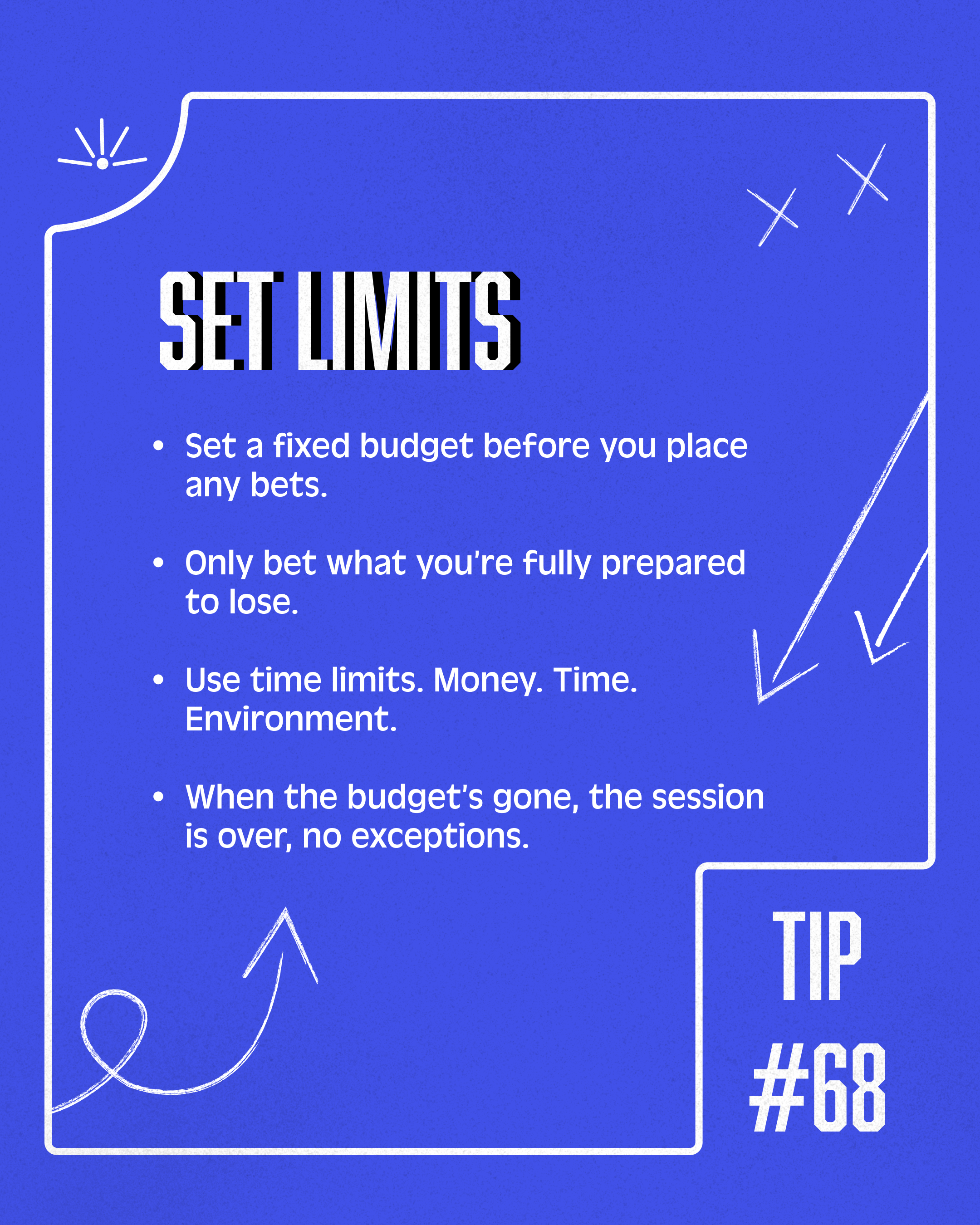
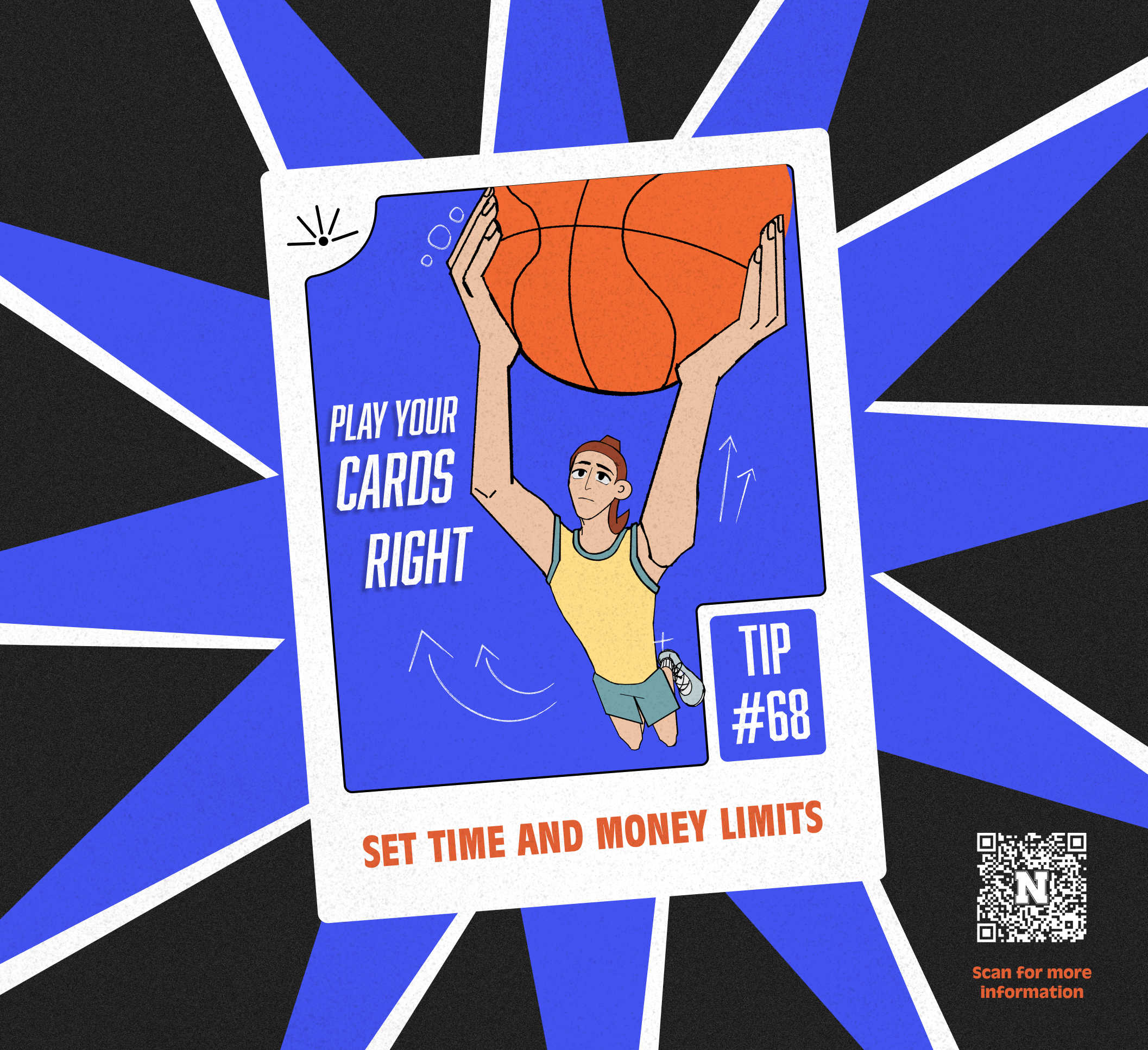
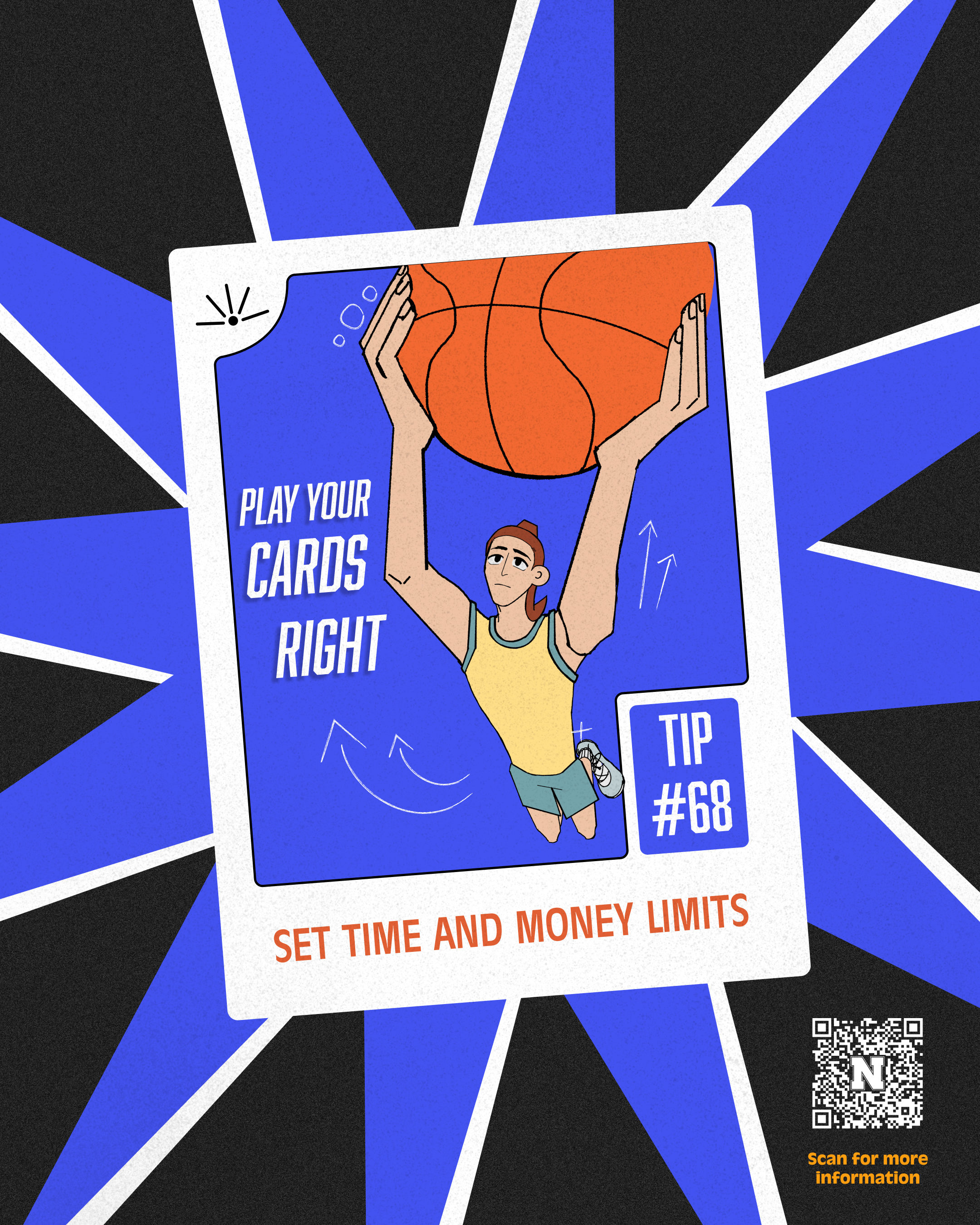
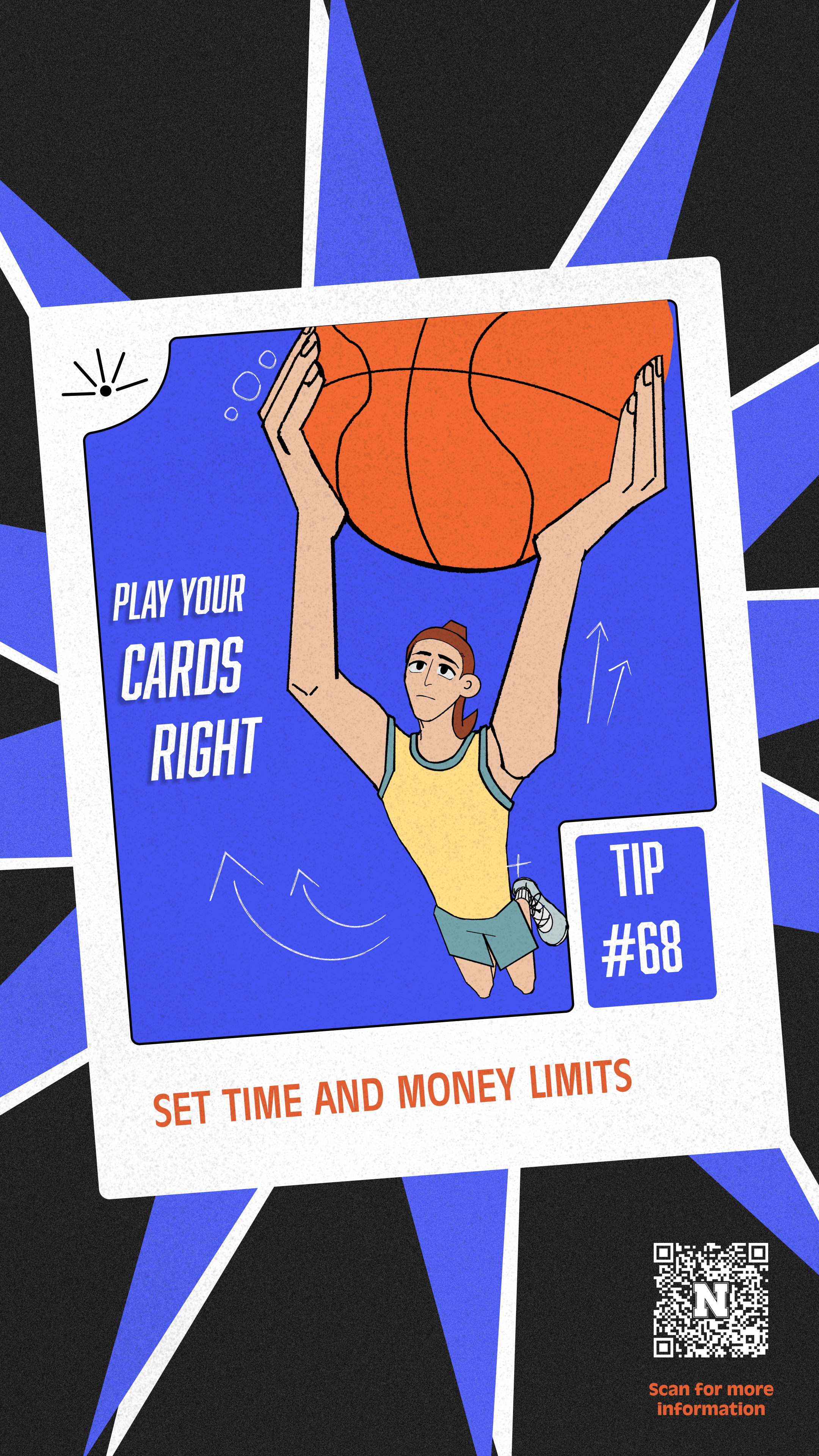
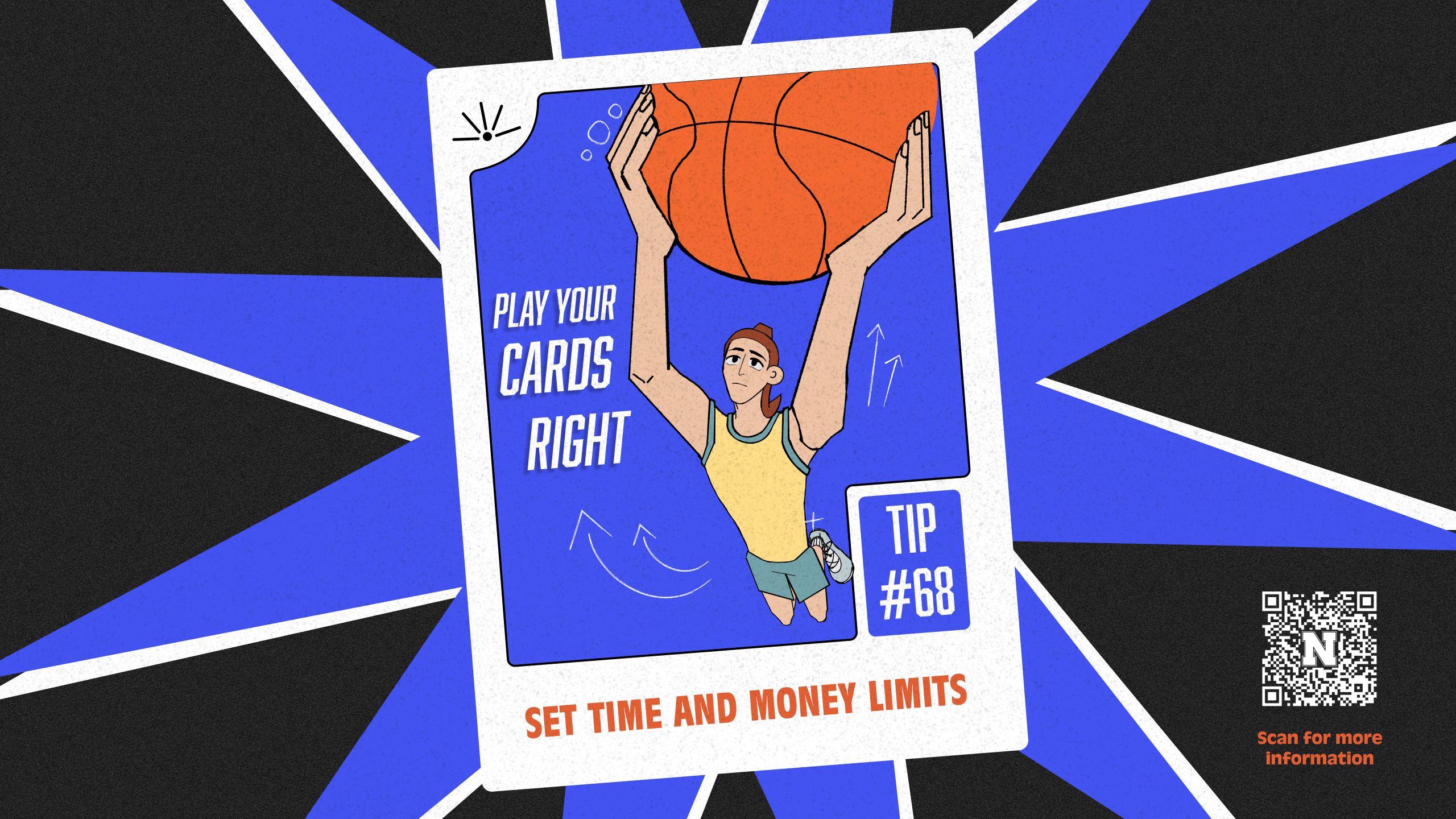
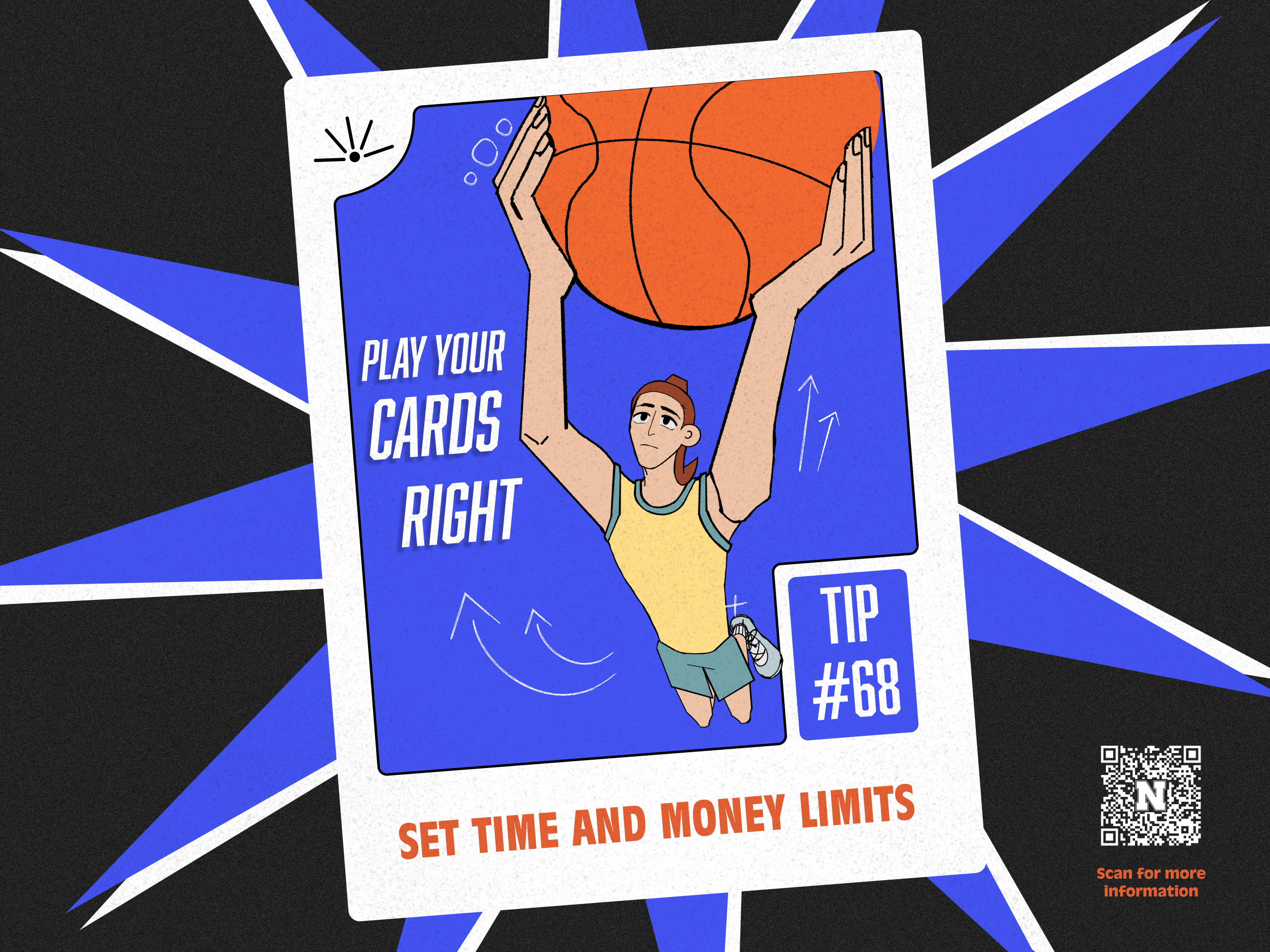
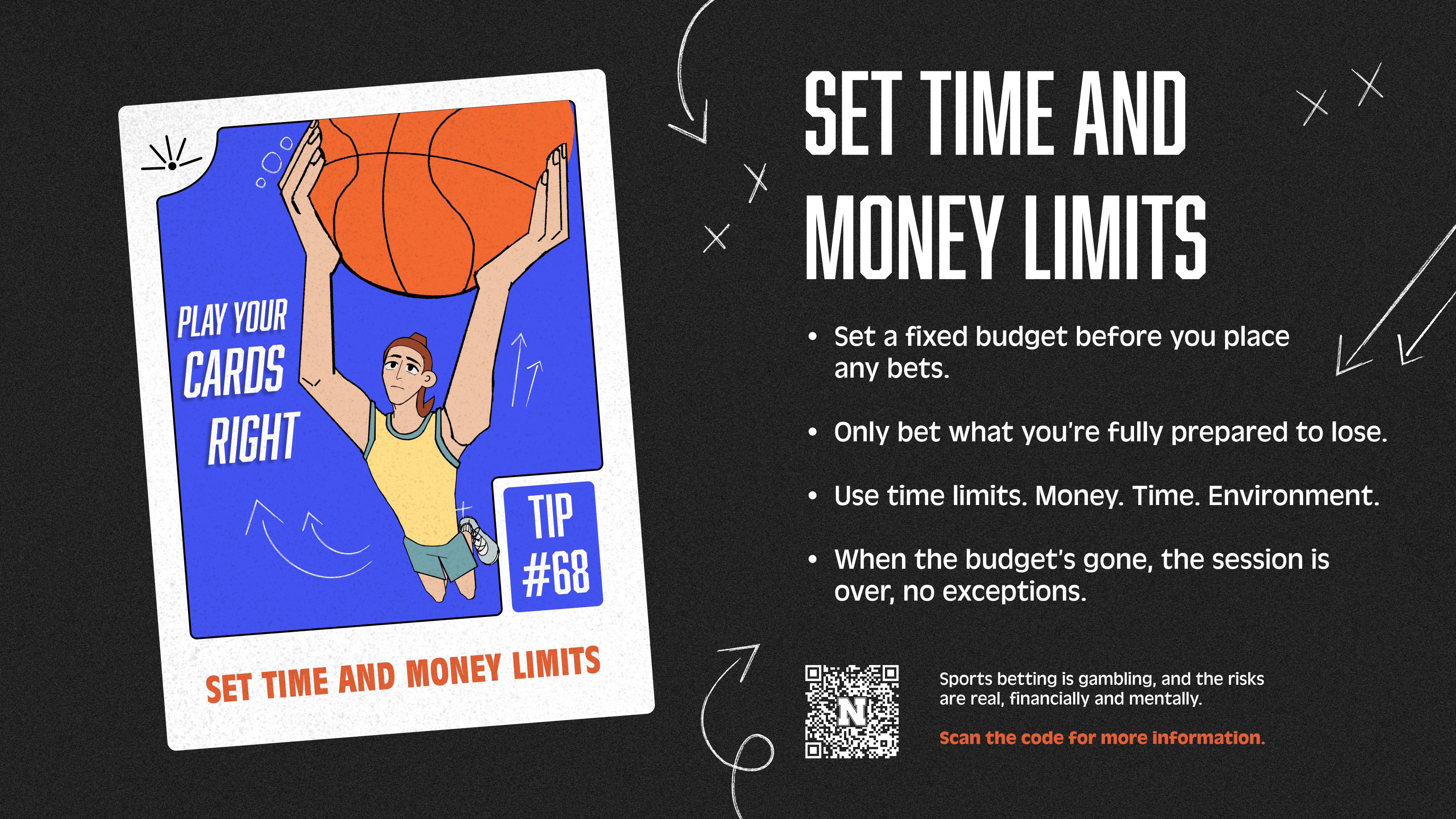
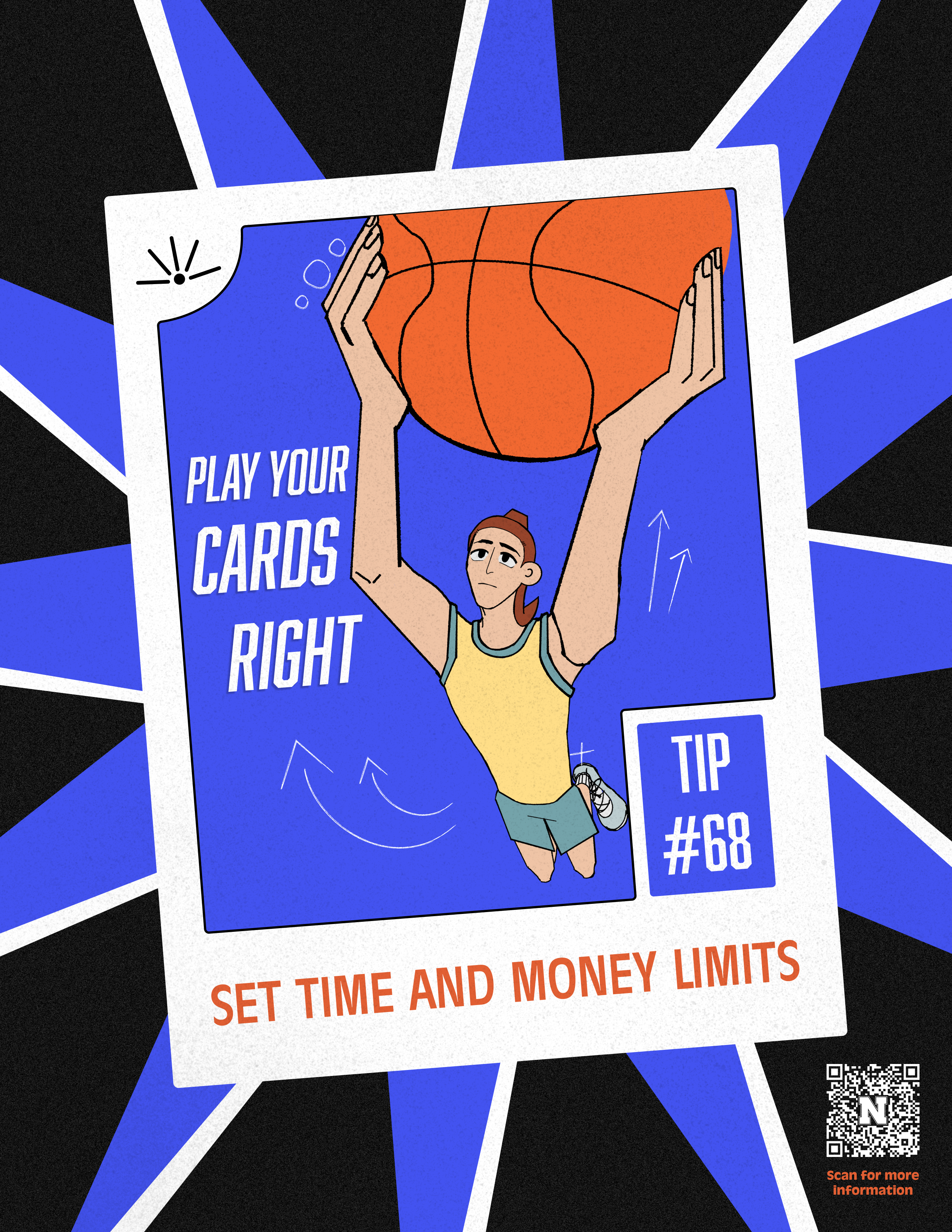
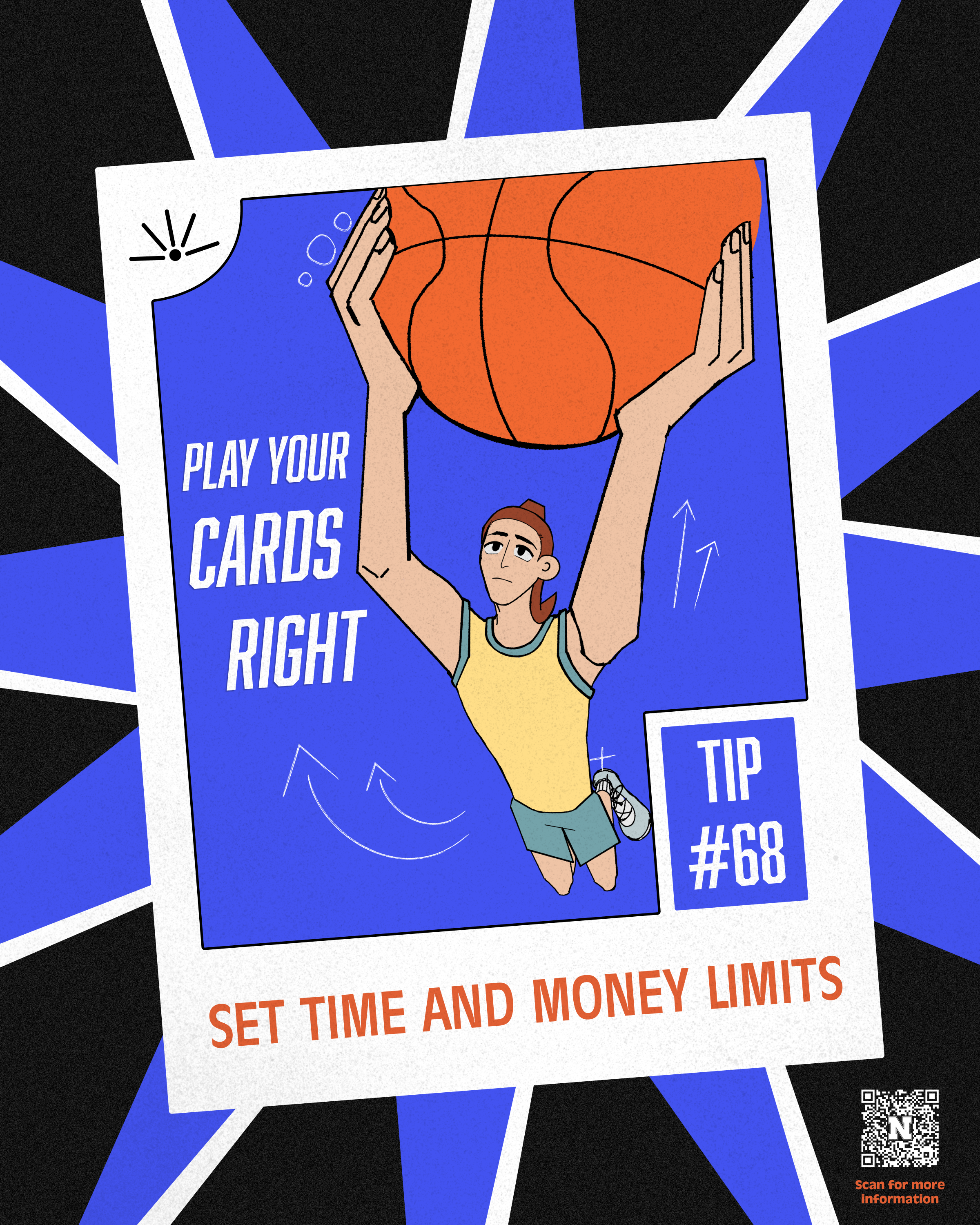
No overtime on your budget. 🏀 Lock in your limits before you start—money, time, and environment. Swipe through to see why setting hard boundaries keeps you in total control, and why "when it's done, it's over" is the only rule that matters. Need tools, support, or tips to keep your play in check? Visit go.unl.edu/play_your_cards for resources, tips, and support to keep you on top of your game.

Downloadable Assets
- Carousel Post Good for Instagram
- Digital Assets Static Images for Social Media Posts or Digital Boards
- Print Assets
- Caption
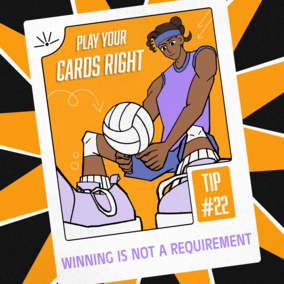
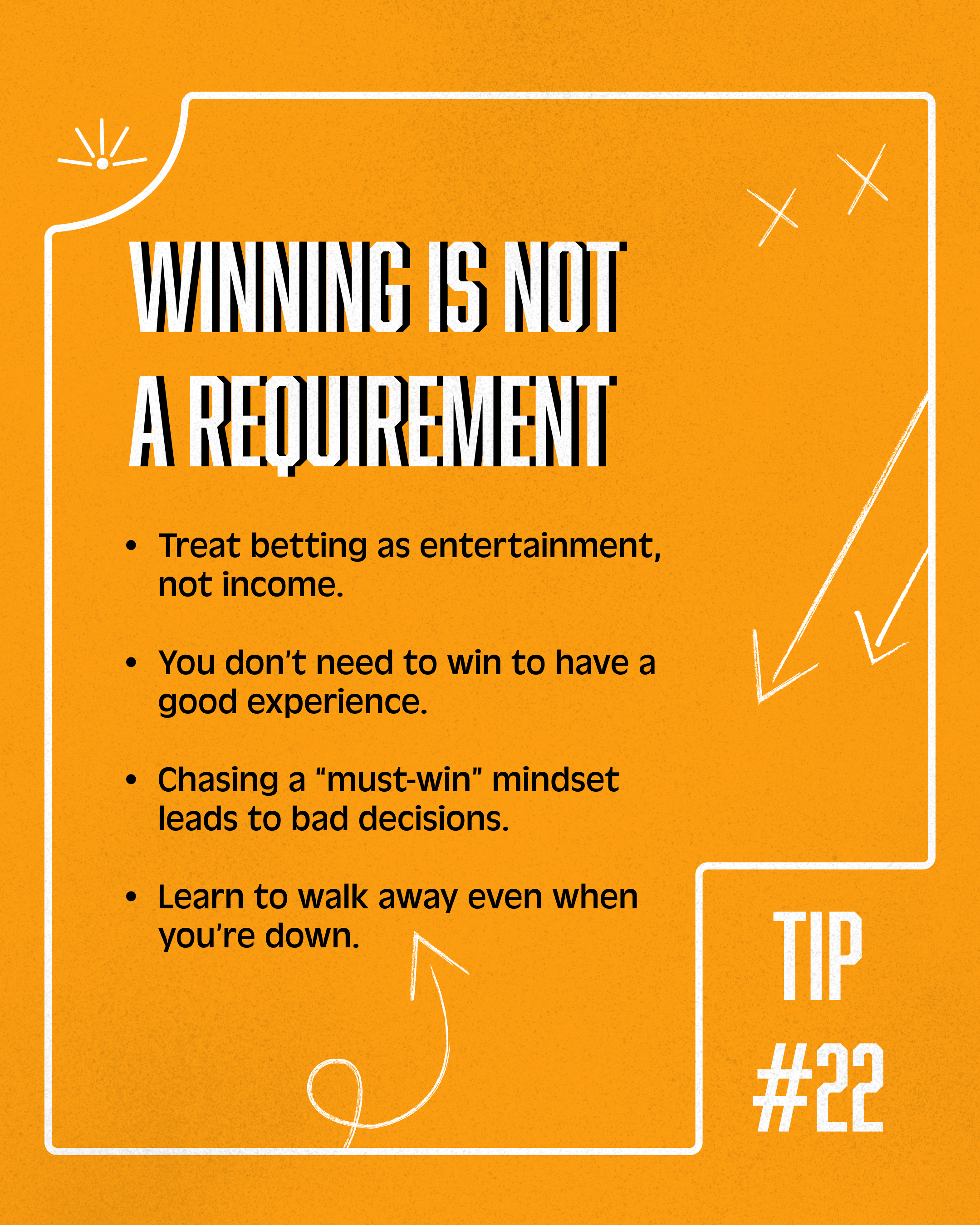
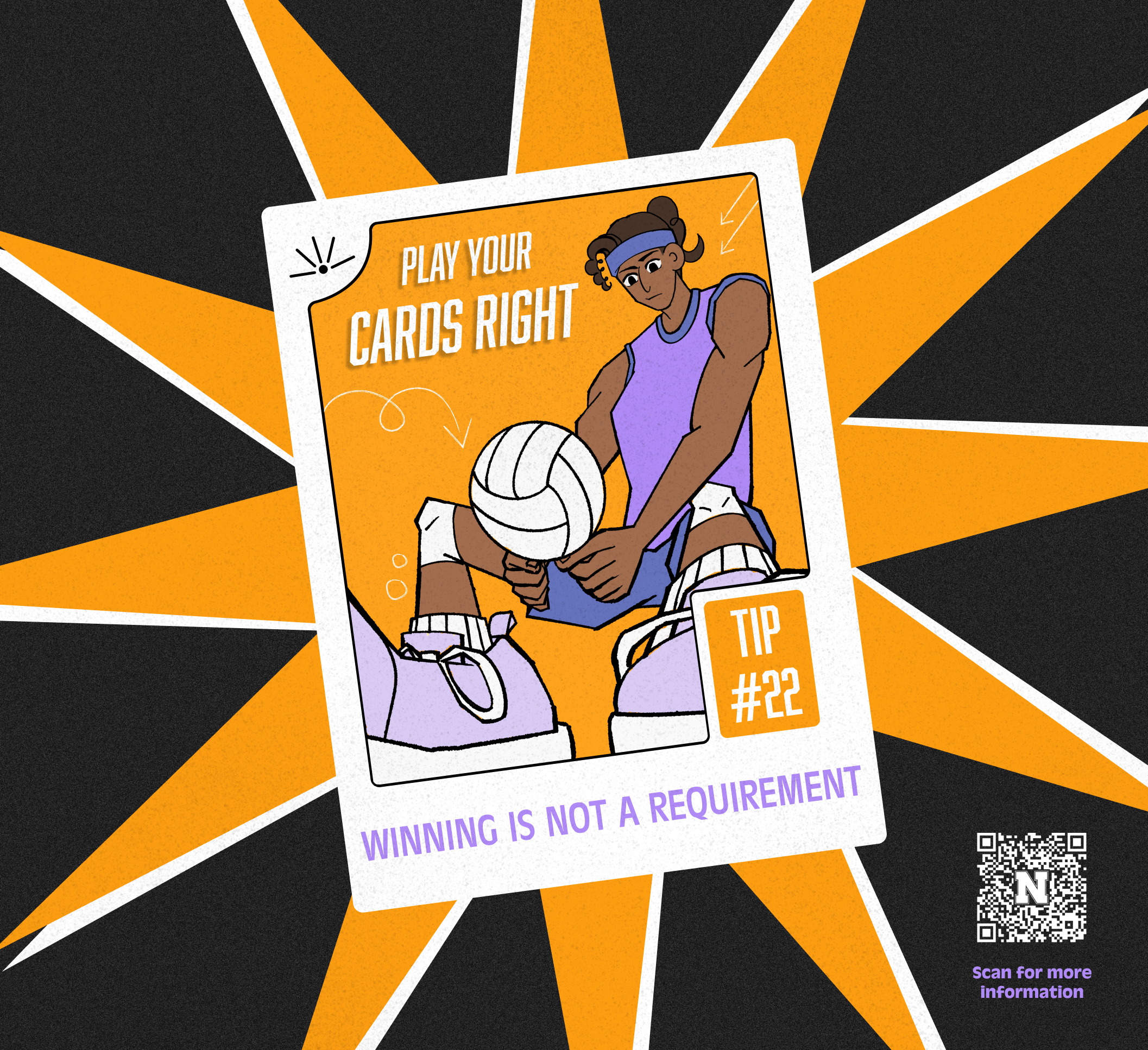
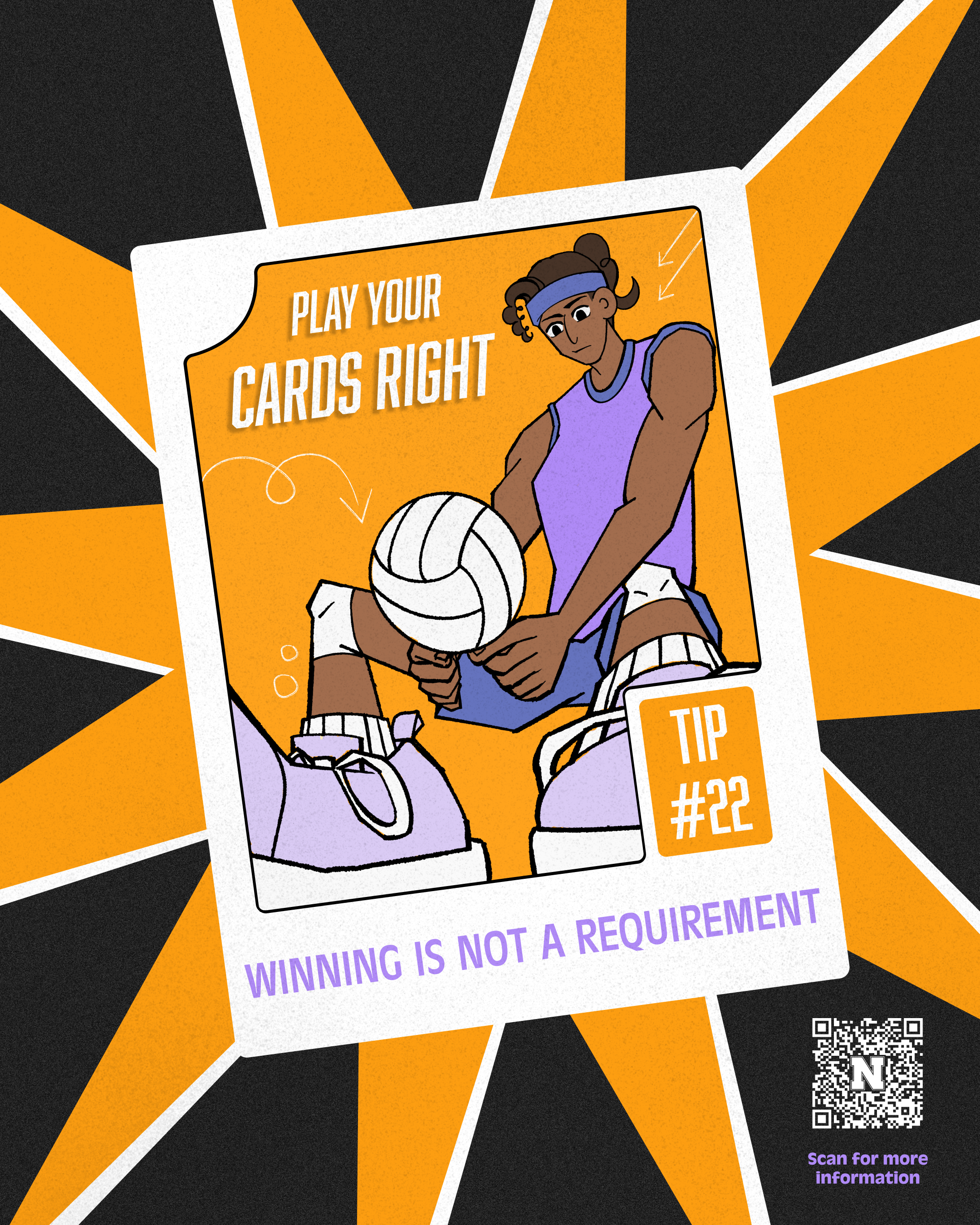
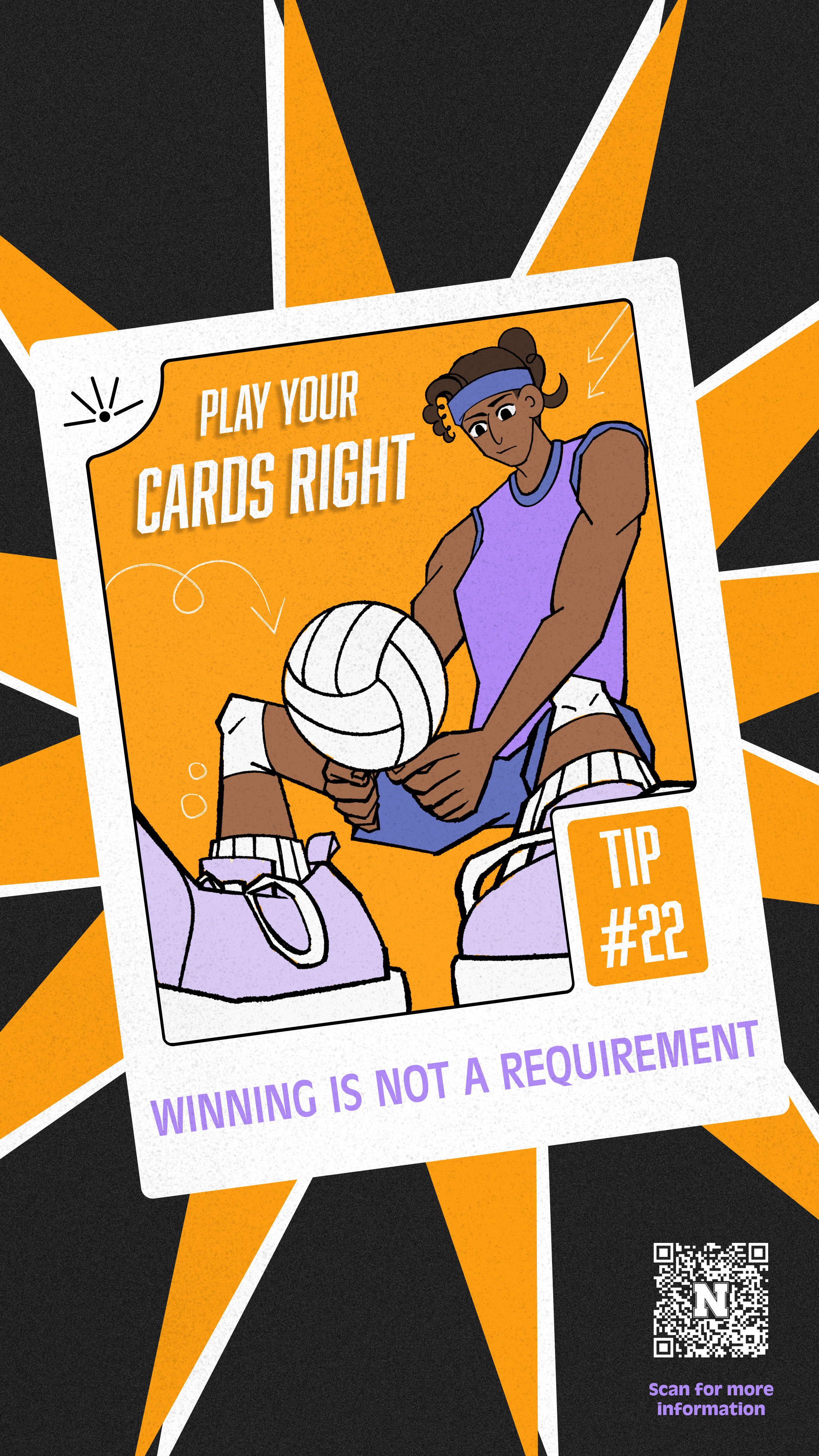
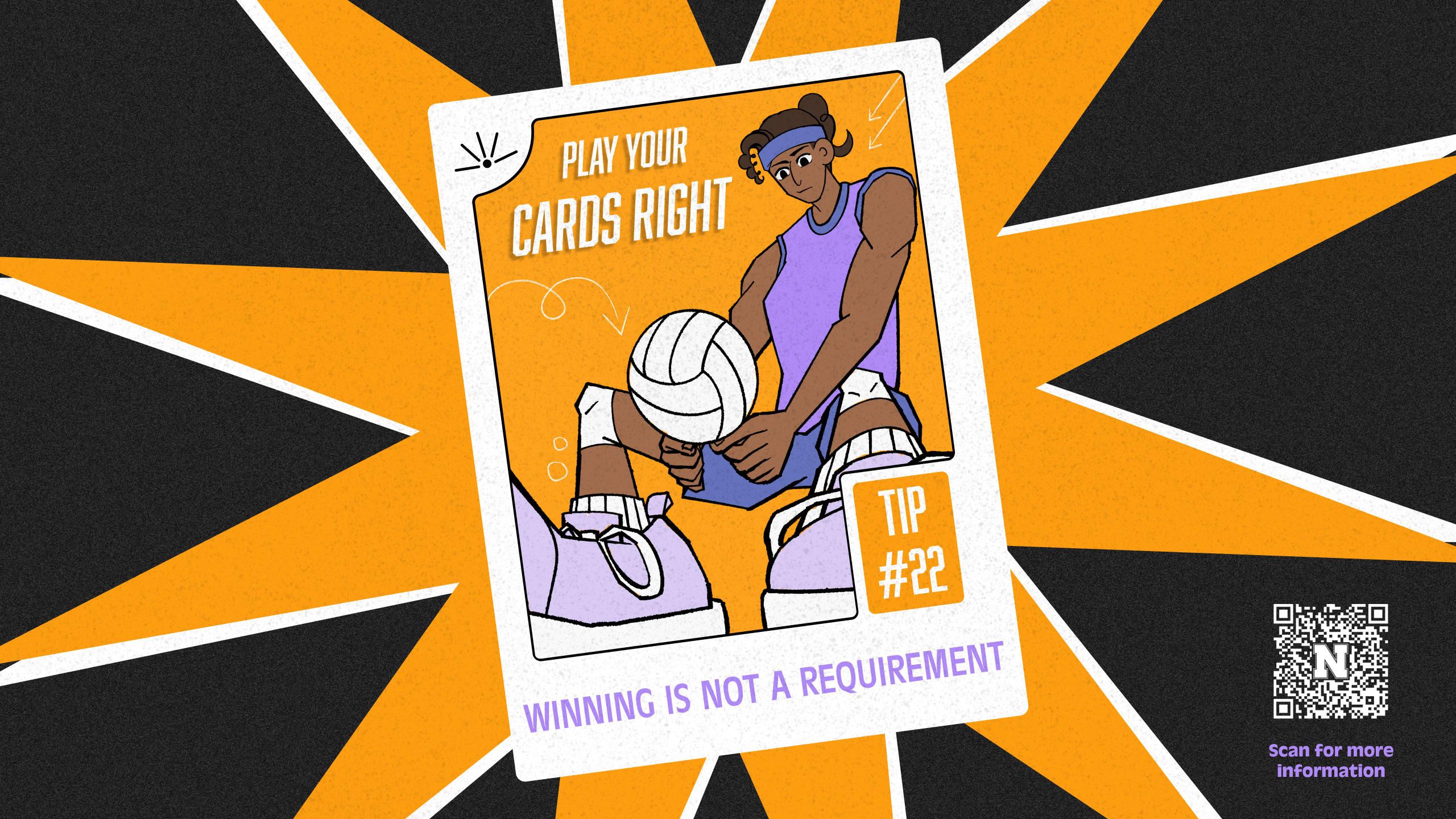
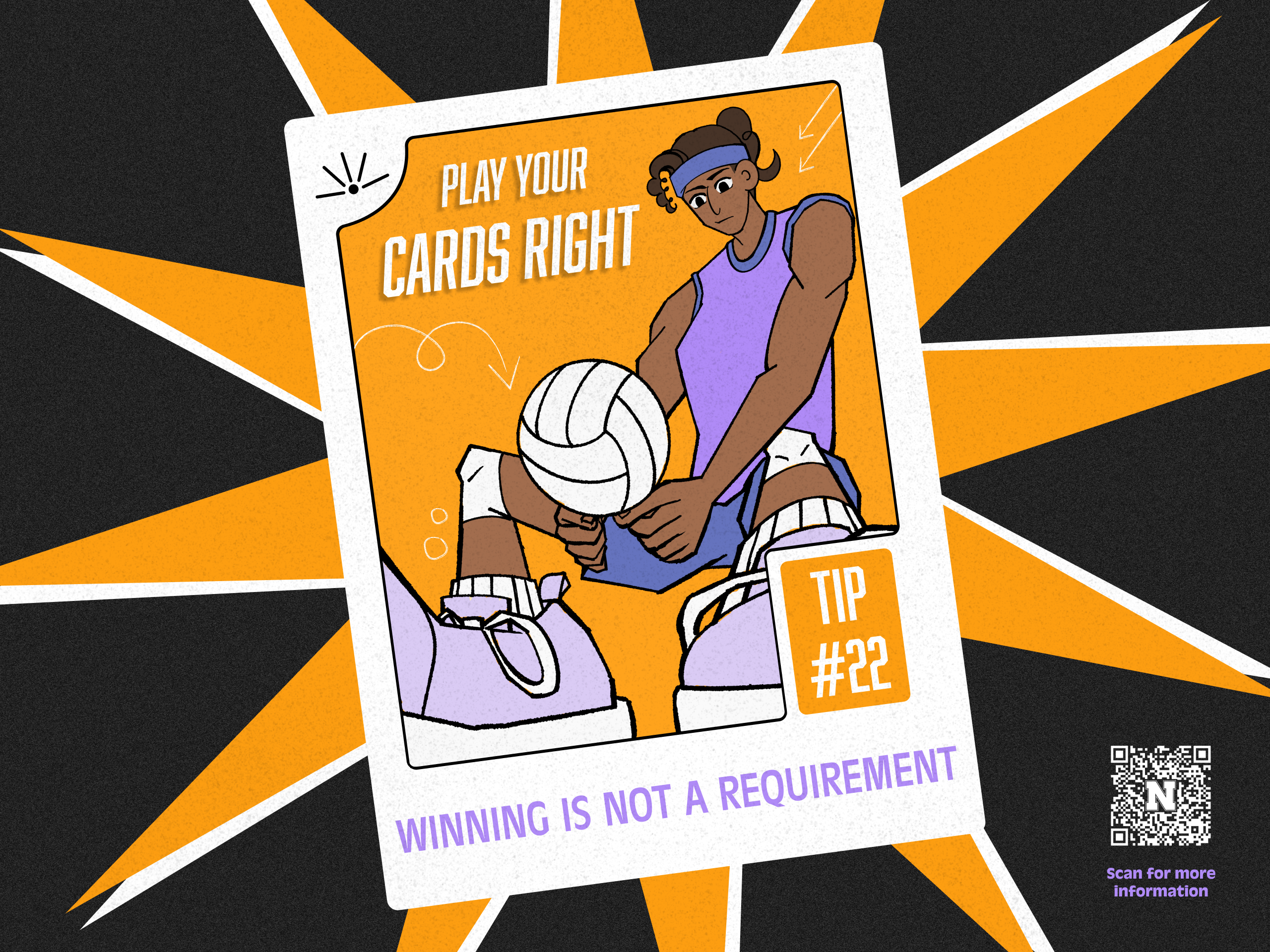
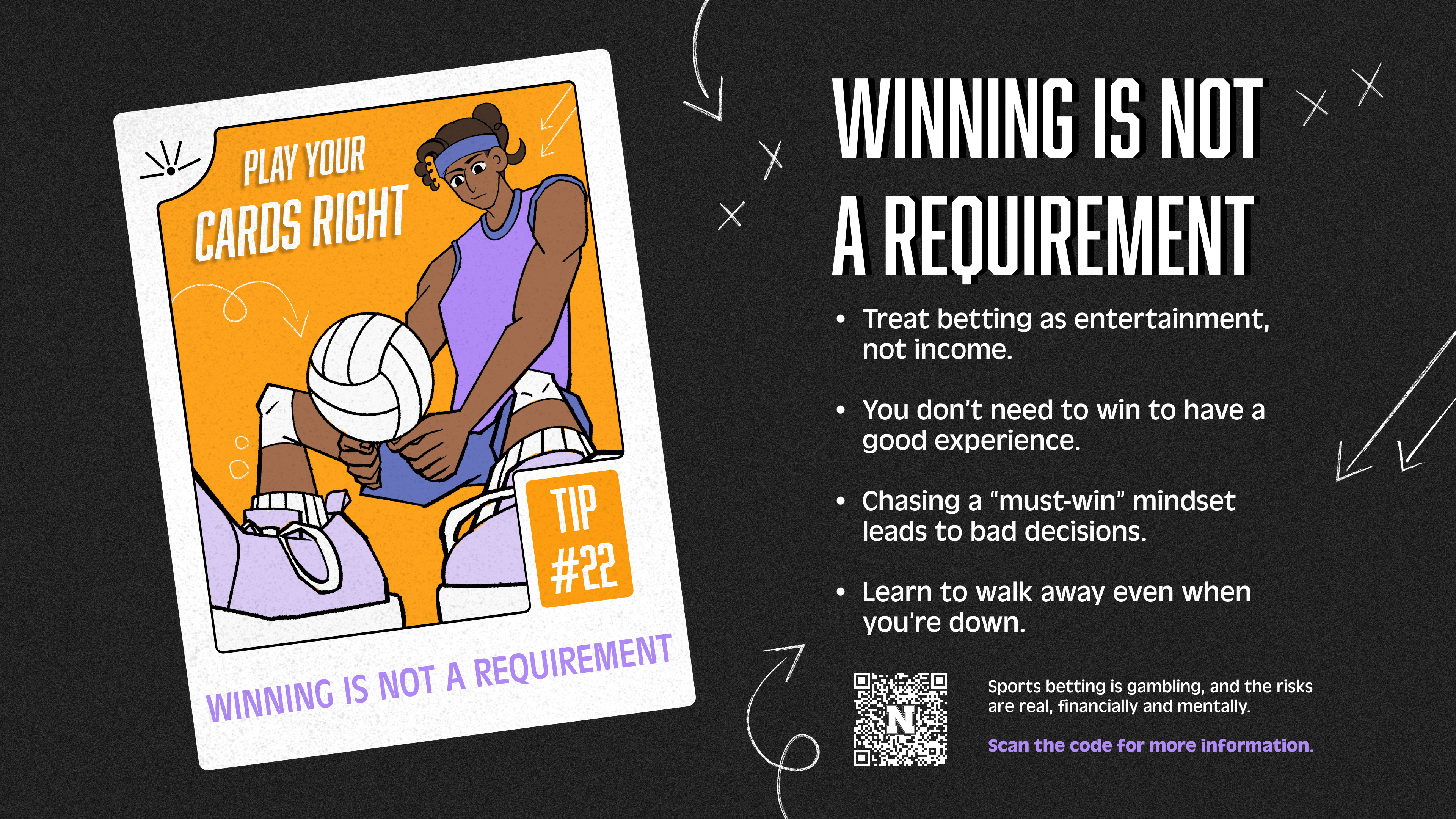
Betting is for entertainment, not a side hustle. 🏐Swipe through to see why a "must-win" mindset leads to bad plays, and why walking away—win or lose—is how you stay in control. Need tools, support, or tips to keep your play in check? Visit go.unl.edu/play_your_cards for resources, tips, and support to keep you on top of your game.

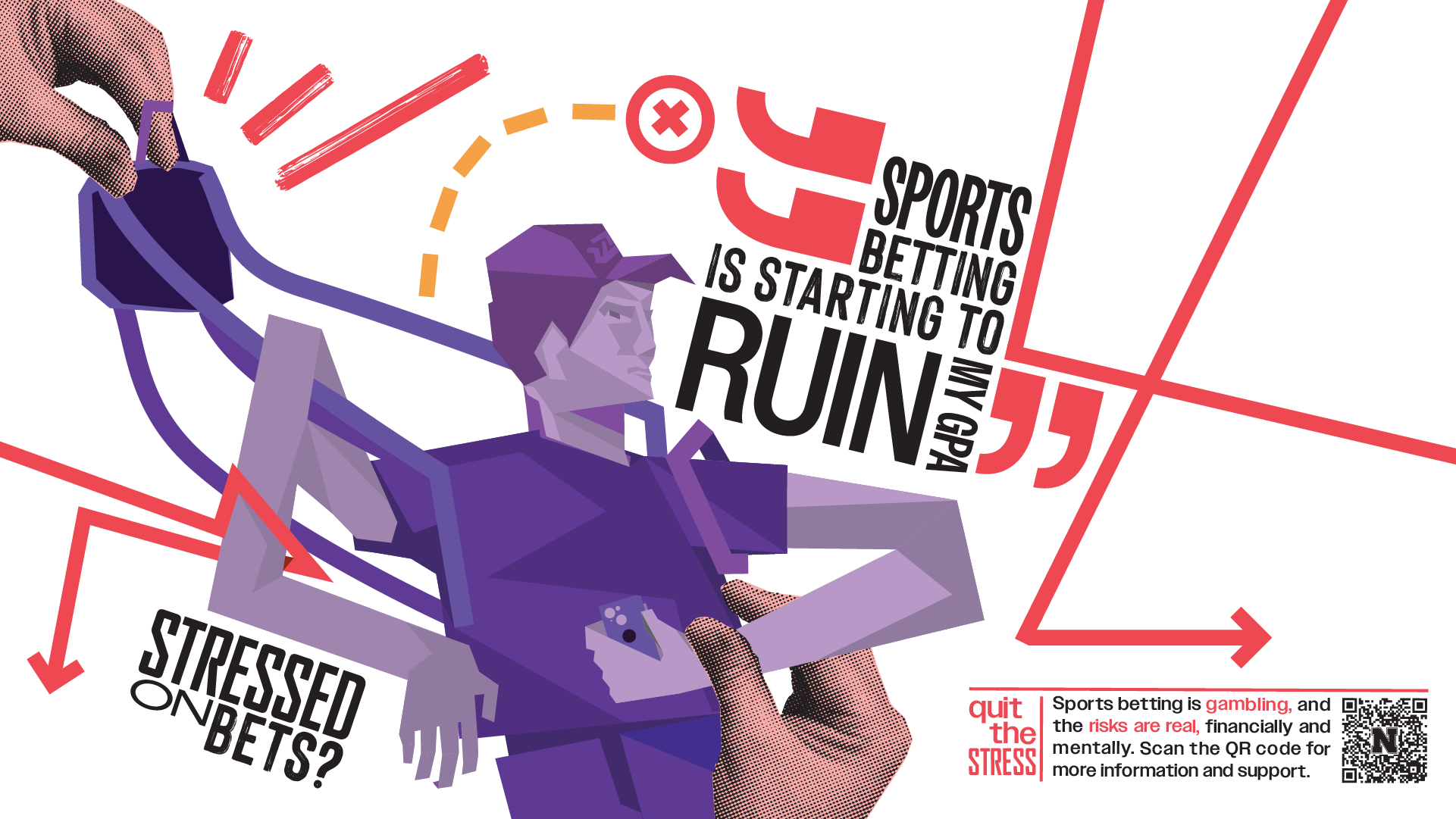
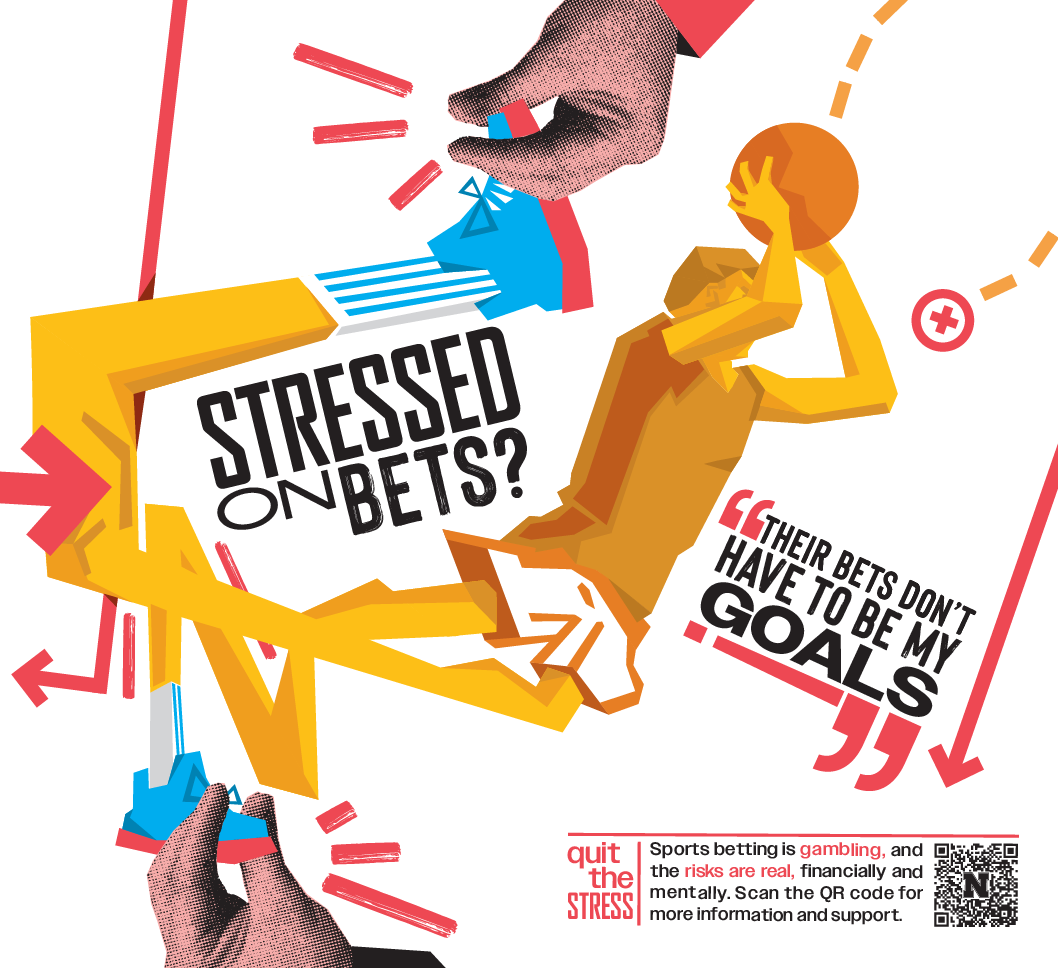
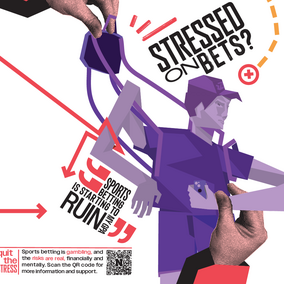
Stressed on Bets
Downloadable Assets
- Instagram Post
- Digital Assets Static Images for Social Media Posts or Digital Boards
- Print Assets
- Captions
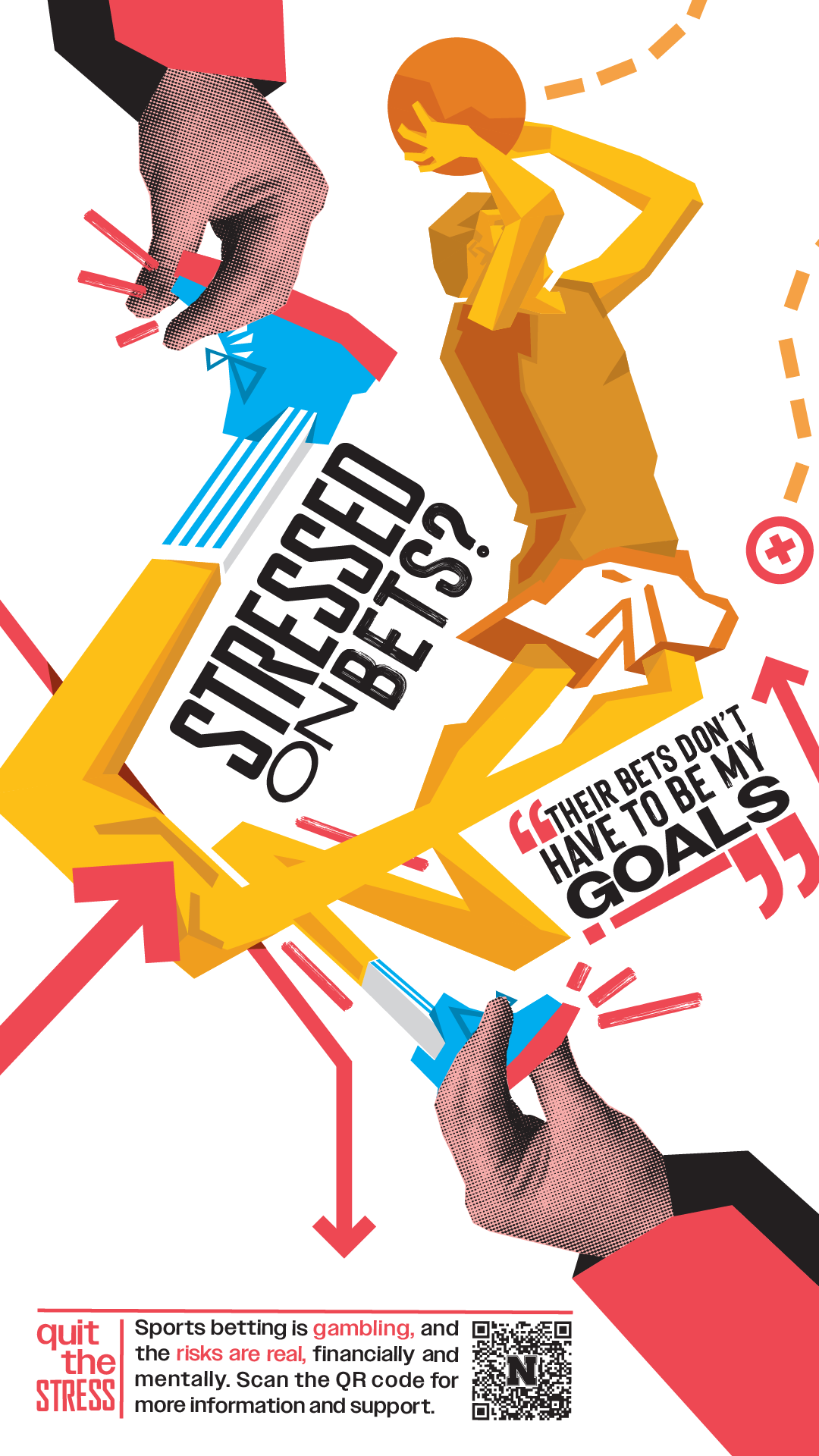
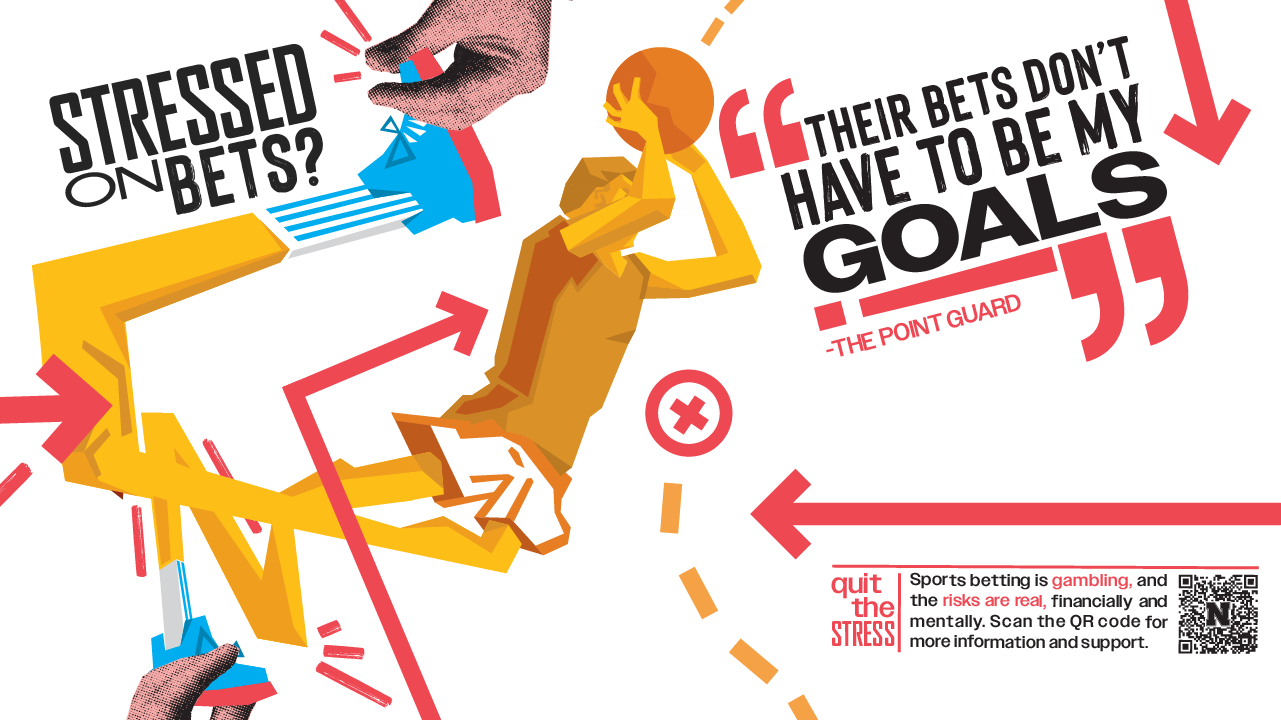
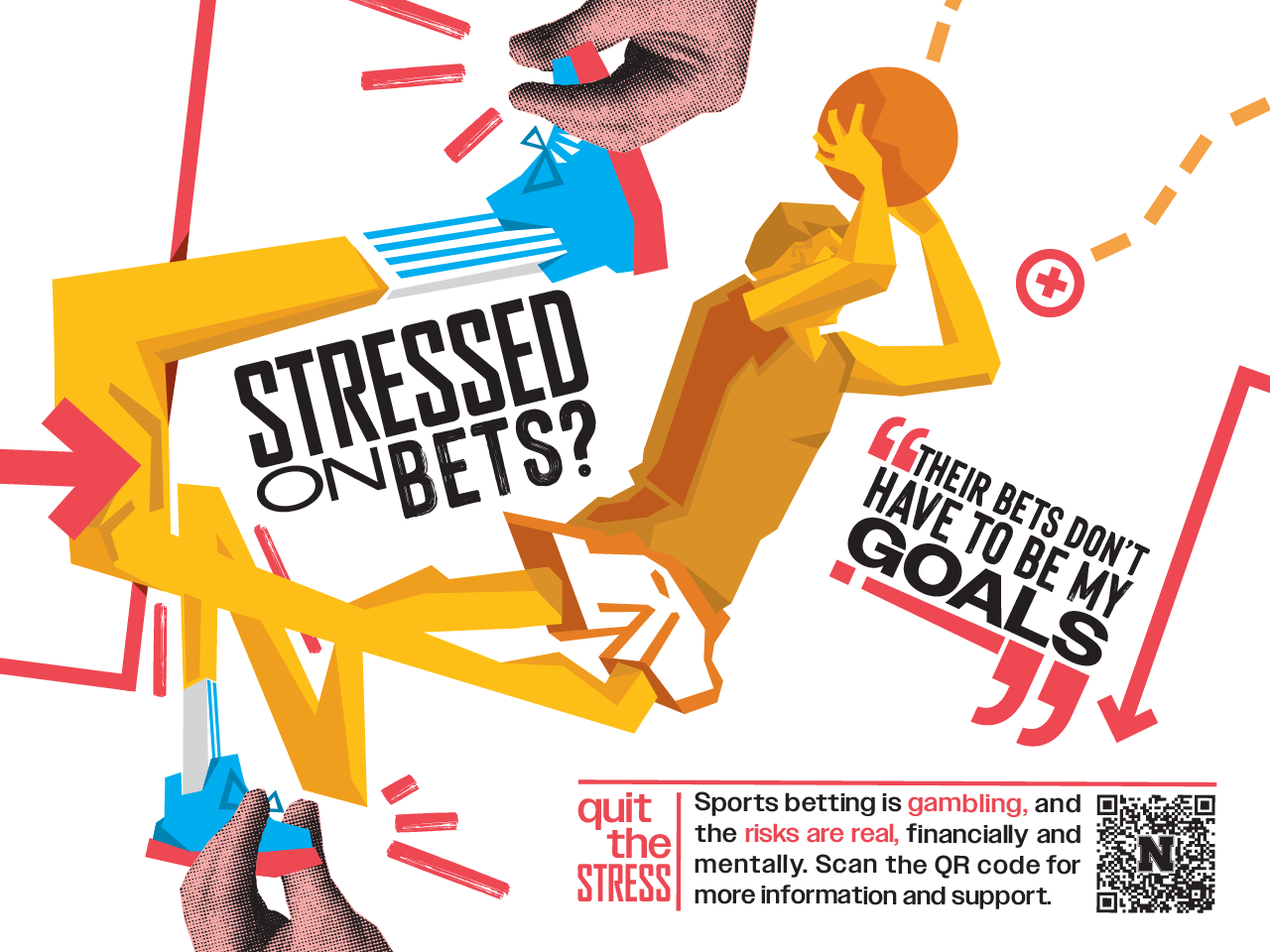
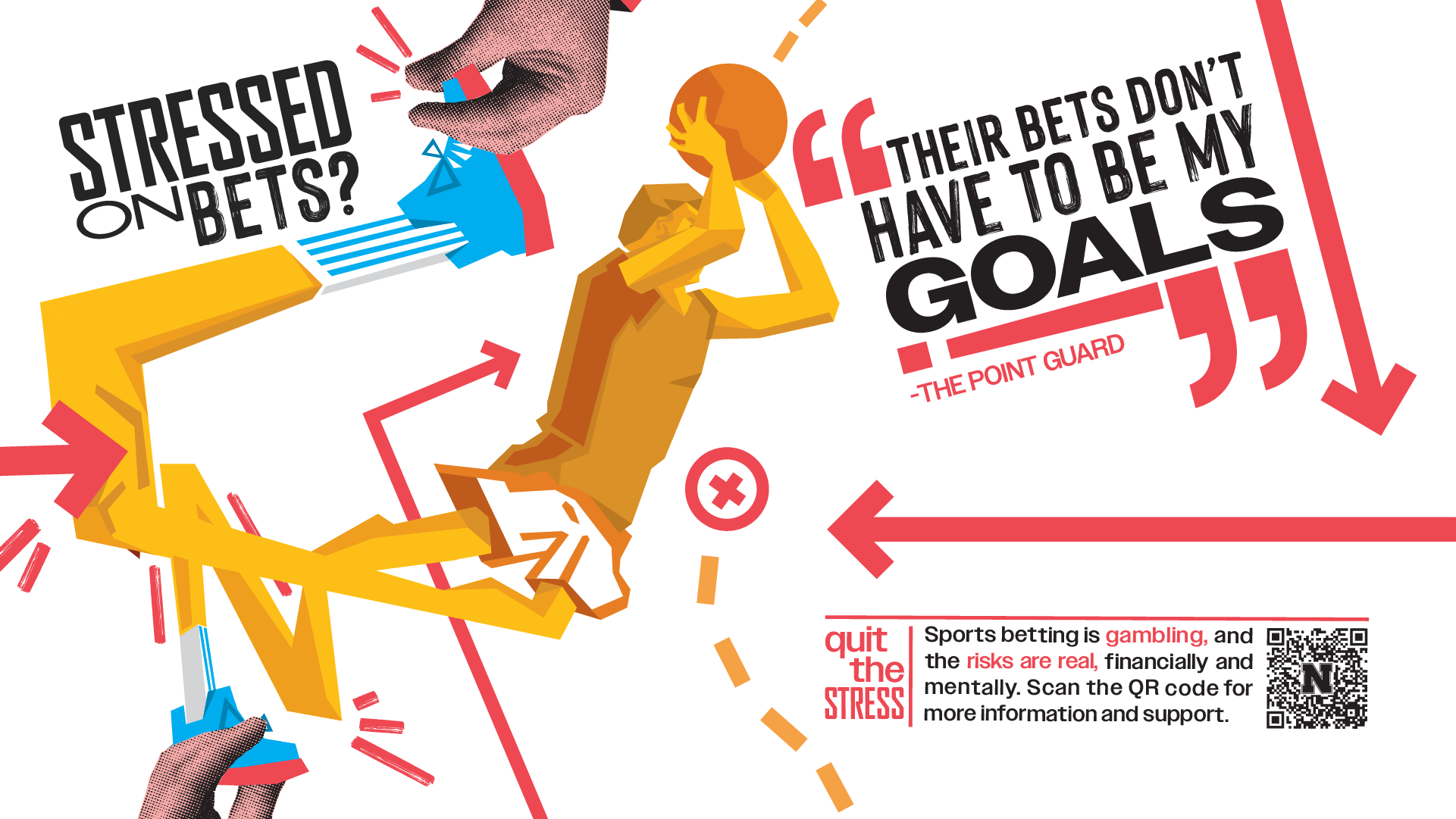
Stop the harassment! Division I men’s basketball players face the highest levels of abuse tied to sports betting, with 36% reporting social media harassment from bettors. But the issue doesn’t stop online—many athletes also experience mistreatment in real life. Behind every stat is a real person. Sports betting is gambling, and the risks are real, financially and mentally. For more information and resources, visit go.unl.edu/stressed_on_bets
- Every game is watched. The NCAA monitors over 22,000 contests a year to detect game manipulation. Violations can lead to severe consequences, including permanent loss of eligibility.
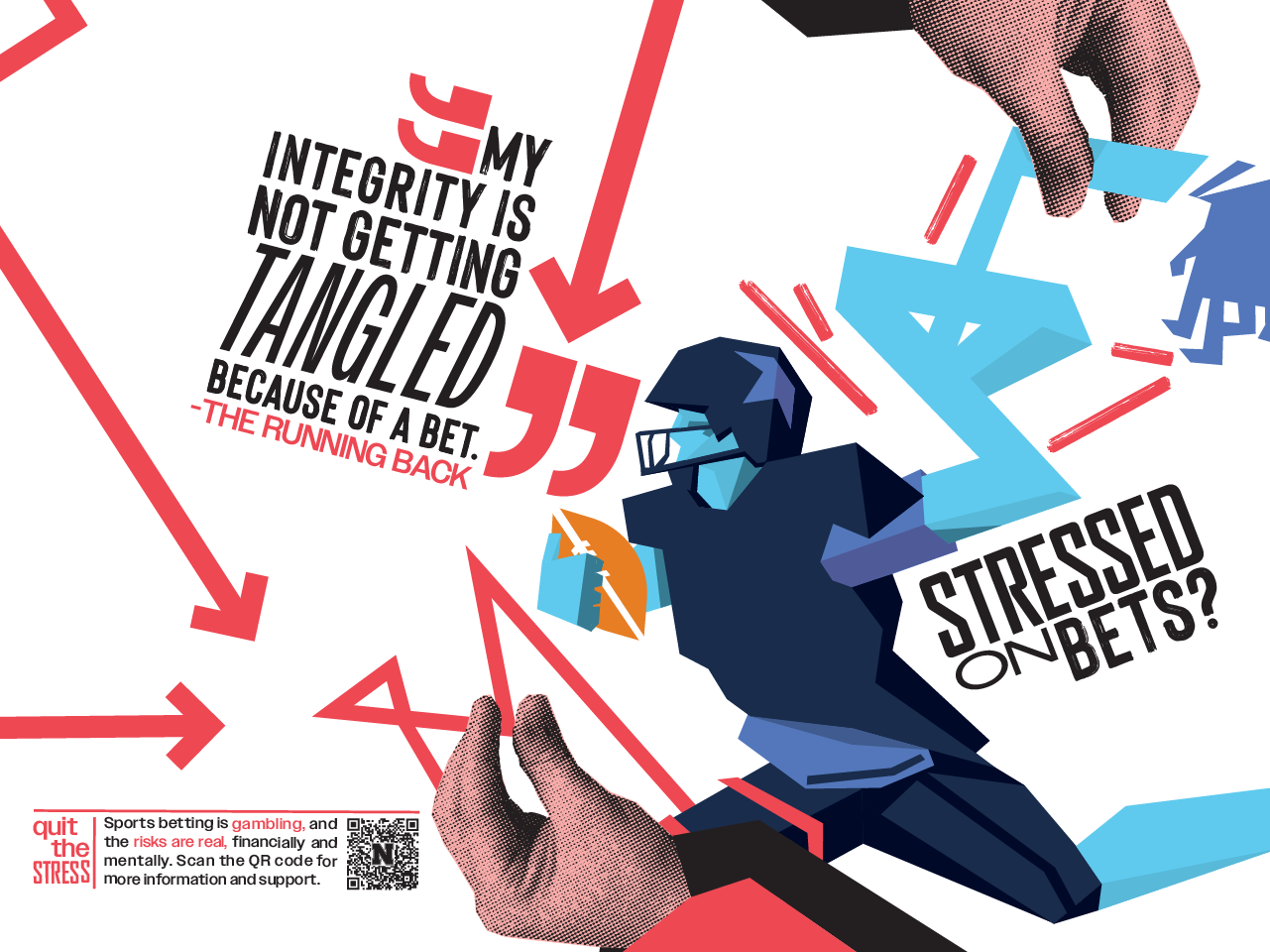
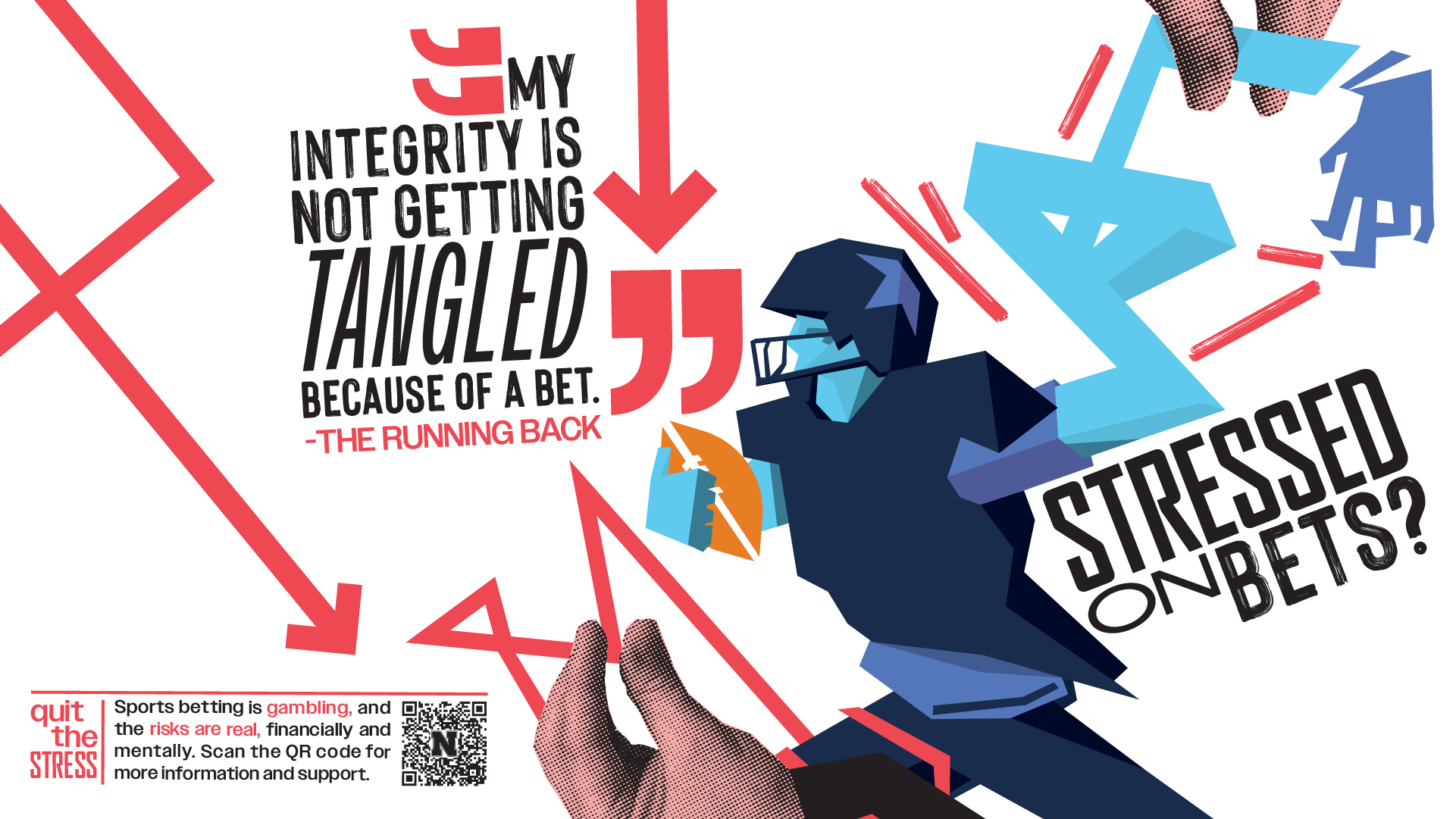
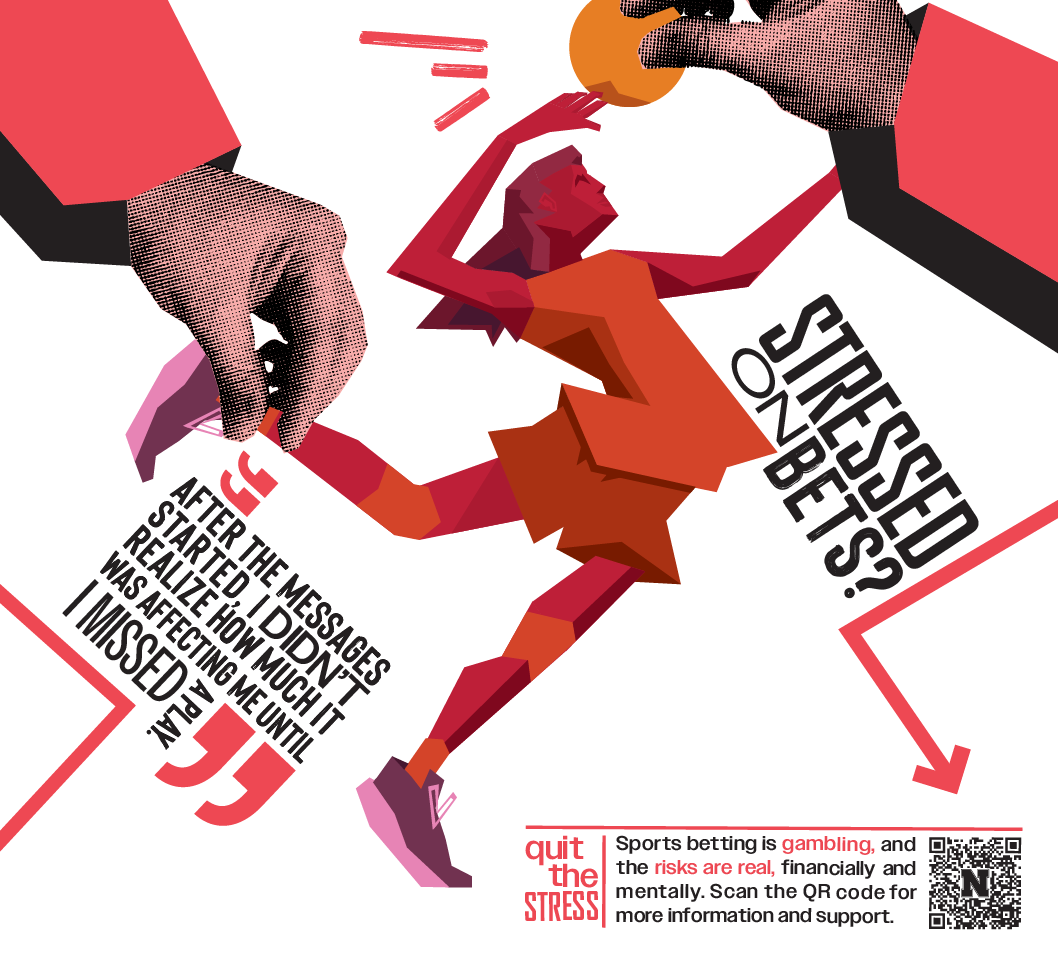
Ask yourself, “Is it worth it?” Sports betting is gambling, and the risks are real, financially and mentally. For more information and resources, visit go.unl.edu/stressed_on_bets - One missed shot. One dropped pass. One bad game. For some college athletes, that’s all it takes to receive threats, harassment, and blame from sports bettors. 7% of athletes receive threats—and 9% are blamed for someone else’s loss. Don’t make your bet their burden. Behind every bet is a real risk. If you or someone you know needs support, visit go.unl.edu/stressed_on_bets
- Participation in sports betting among male college athletes increases as you move across divisions. D1:12.6% (~620 athletes), D2: 20.2% (~702 athletes), D3: 30.2% (~1486 athletes). This isn’t just a ‘stat’ it’s a real pattern. Sports betting is gambling, and the risks are real– financially, emotionally, and mentally. To find support and resources, visit go.unl.edu/stressed_on_bets
- The risks go beyond the game. A former NCAA coach placed over 700 bets totaling $327,000 and was dismissed from his position after violating NCAA gambling rules. Sports betting carries real consequences—affecting finances, mental health, and well-being. To find support and resources, visit go.unl.edu/stressed_on_bets

Downloadable Assets
- Instagram Post
- Digital Assets Static Images for Social Media Posts or Digital Boards
- Print Assets
- Captions
- Every game is watched. The NCAA monitors over 22,000 contests a year to detect game manipulation. Violations can lead to severe consequences, including permanent loss of eligibility.
Ask yourself, “Is it worth it?” Sports betting is gambling, and the risks are real, financially and mentally. For more information and resources, visit go.unl.edu/stressed_on_bets - One missed shot. One dropped pass. One bad game. For some college athletes, that’s all it takes to receive threats, harassment, and blame from sports bettors. 7% of athletes receive threats—and 9% are blamed for someone else’s loss. Don’t make your bet their burden. Behind every bet is a real risk. If you or someone you know needs support, visit go.unl.edu/stressed_on_bets
- Participation in sports betting among male college athletes increases as you move across divisions. D1:12.6% (~620 athletes), D2: 20.2% (~702 athletes), D3: 30.2% (~1486 athletes). This isn’t just a ‘stat’ it’s a real pattern. Sports betting is gambling, and the risks are real– financially, emotionally, and mentally. To find support and resources, visit go.unl.edu/stressed_on_bets
- The risks go beyond the game. A former NCAA coach placed over 700 bets totaling $327,000 and was dismissed from his position after violating NCAA gambling rules. Sports betting carries real consequences—affecting finances, mental health, and well-being. To find support and resources, visit go.unl.edu/stressed_on_bets
- Every game is watched. The NCAA monitors over 22,000 contests a year to detect game manipulation. Violations can lead to severe consequences, including permanent loss of eligibility.

Downloadable Assets
- Instagram Post
- Digital Assets Static Images for Social Media Posts or Digital Boards
- Print Assets
- Captions
- Every game is watched. The NCAA monitors over 22,000 contests a year to detect game manipulation. Violations can lead to severe consequences, including permanent loss of eligibility.
Ask yourself, “Is it worth it?” Sports betting is gambling, and the risks are real, financially and mentally. For more information and resources, visit go.unl.edu/stressed_on_bets - One missed shot. One dropped pass. One bad game. For some college athletes, that’s all it takes to receive threats, harassment, and blame from sports bettors. 7% of athletes receive threats—and 9% are blamed for someone else’s loss. Don’t make your bet their burden. Behind every bet is a real risk. If you or someone you know needs support, visit go.unl.edu/stressed_on_bets
- Participation in sports betting among male college athletes increases as you move across divisions. D1:12.6% (~620 athletes), D2: 20.2% (~702 athletes), D3: 30.2% (~1486 athletes). This isn’t just a ‘stat’ it’s a real pattern. Sports betting is gambling, and the risks are real– financially, emotionally, and mentally. To find support and resources, visit go.unl.edu/stressed_on_bets
- The risks go beyond the game. A former NCAA coach placed over 700 bets totaling $327,000 and was dismissed from his position after violating NCAA gambling rules. Sports betting carries real consequences—affecting finances, mental health, and well-being. To find support and resources, visit go.unl.edu/stressed_on_bets
- Every game is watched. The NCAA monitors over 22,000 contests a year to detect game manipulation. Violations can lead to severe consequences, including permanent loss of eligibility.

Downloadable Assets
- Instagram Post
- Digital Assets Static Images for Social Media Posts or Digital Boards
- Print Assets
- Captions
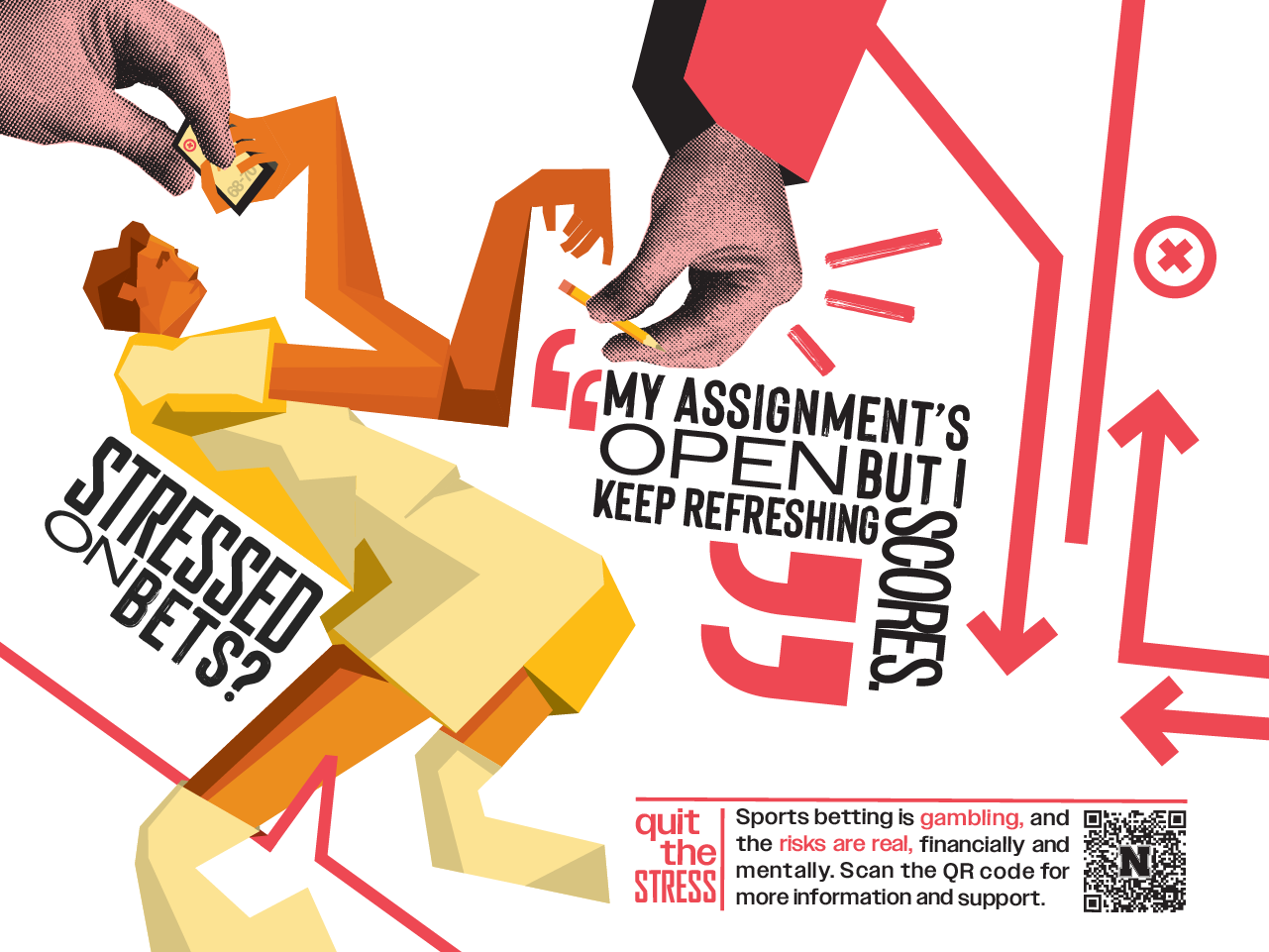
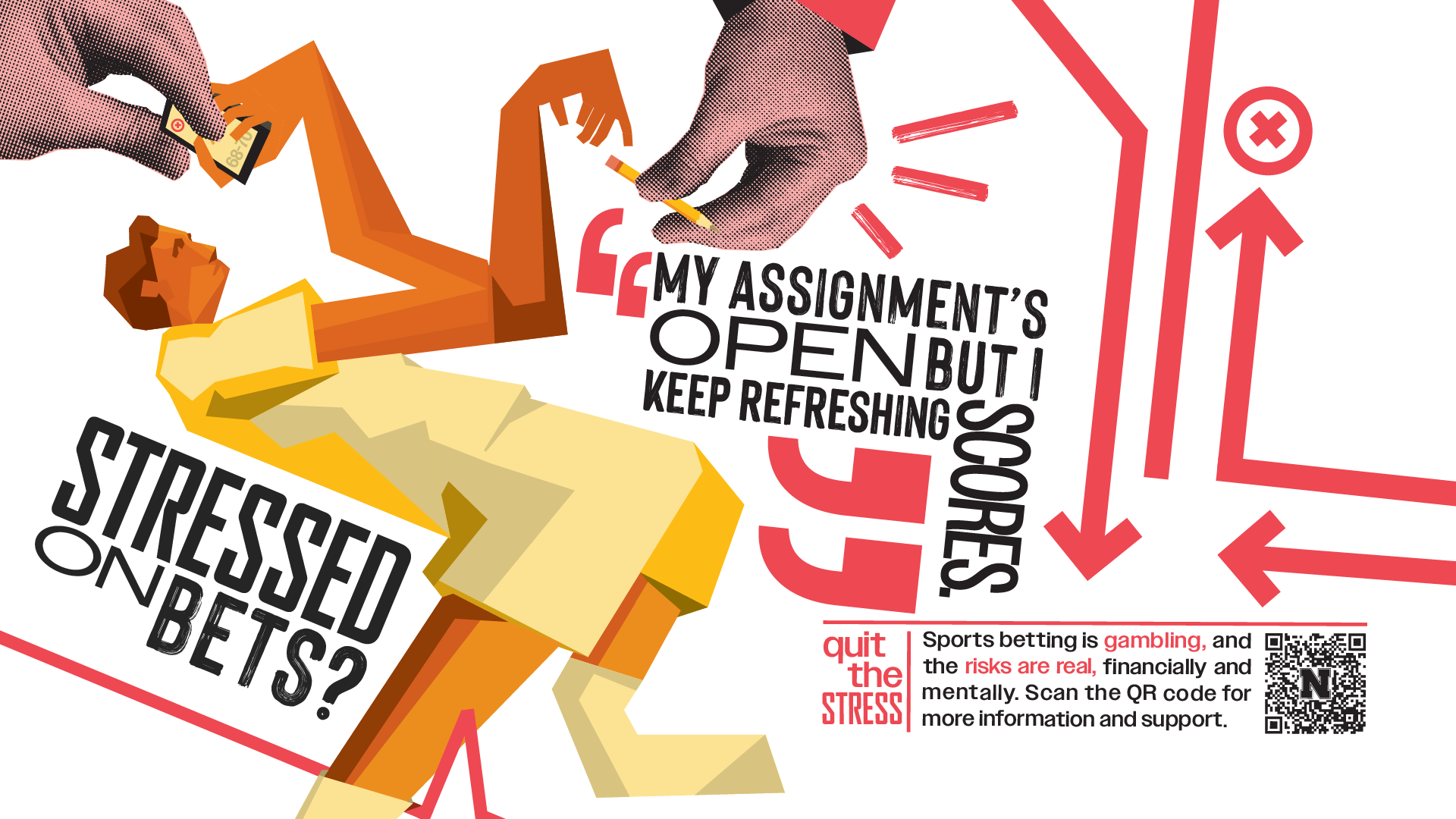
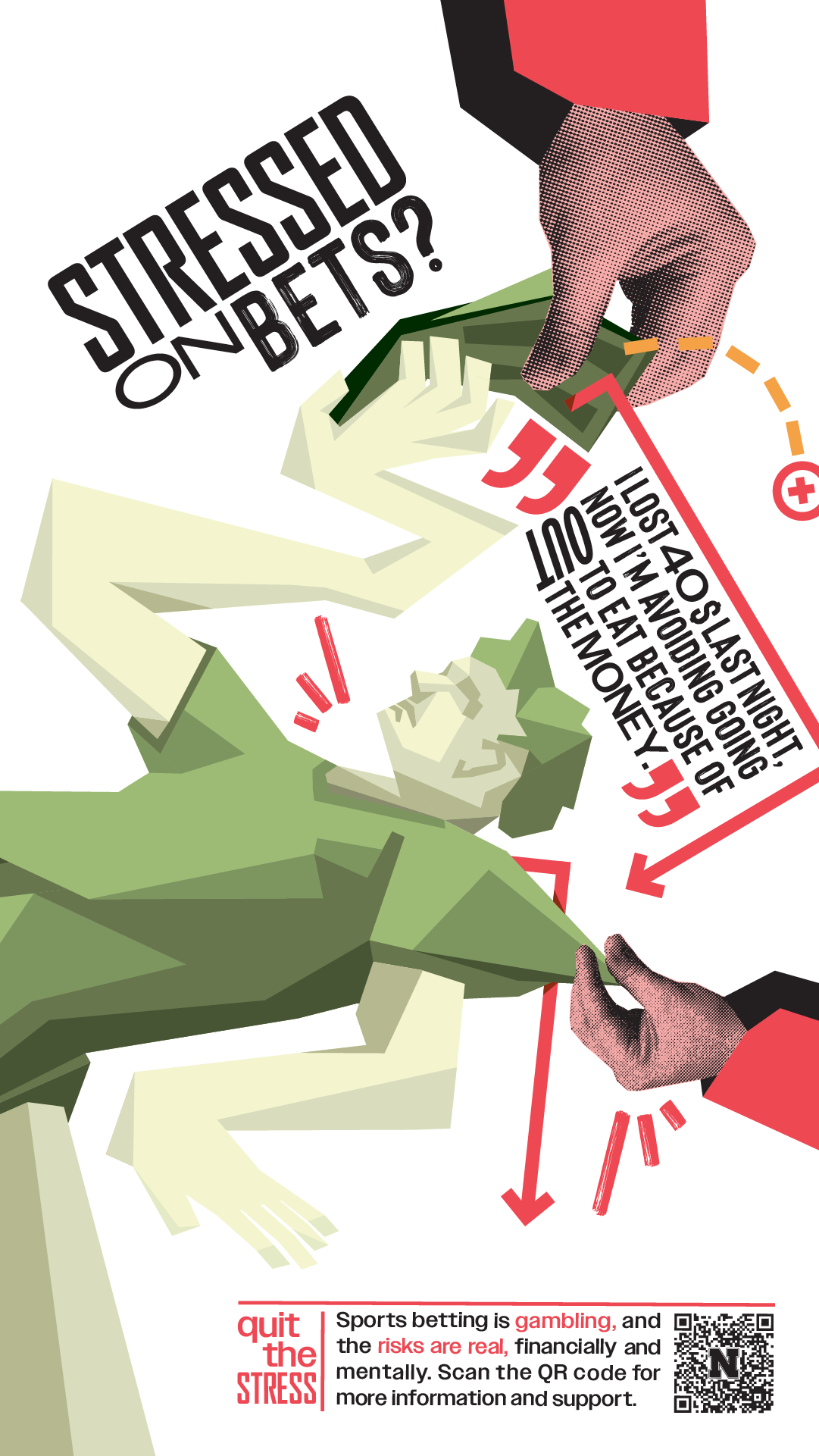
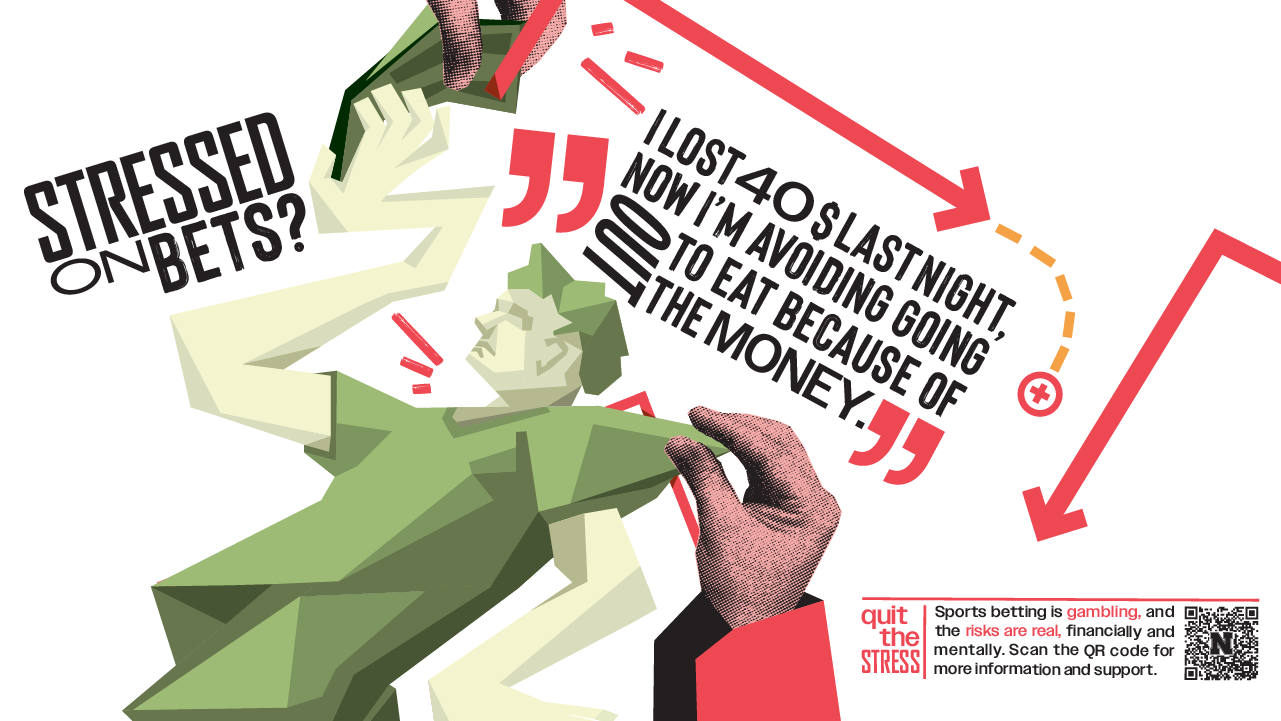
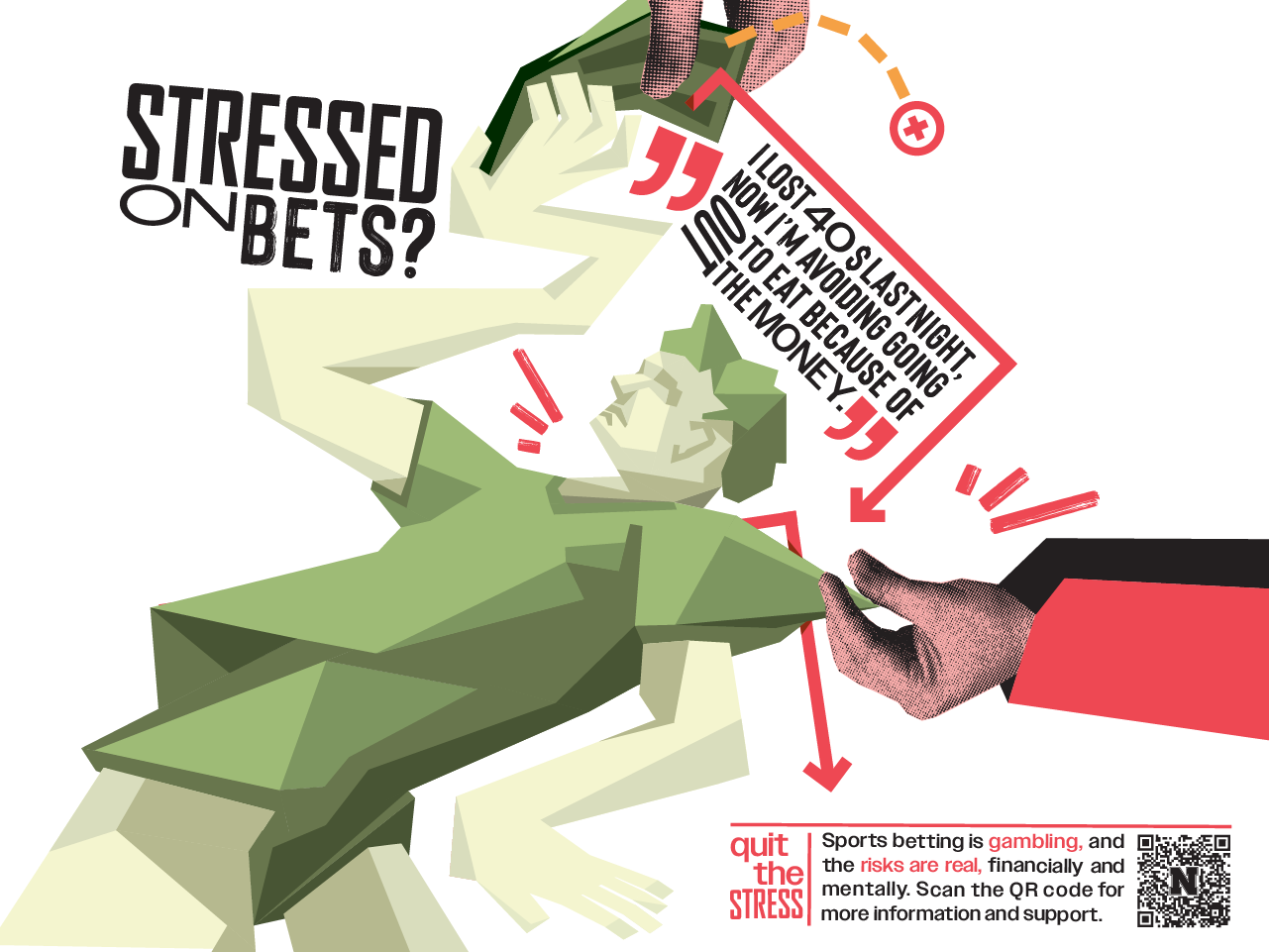
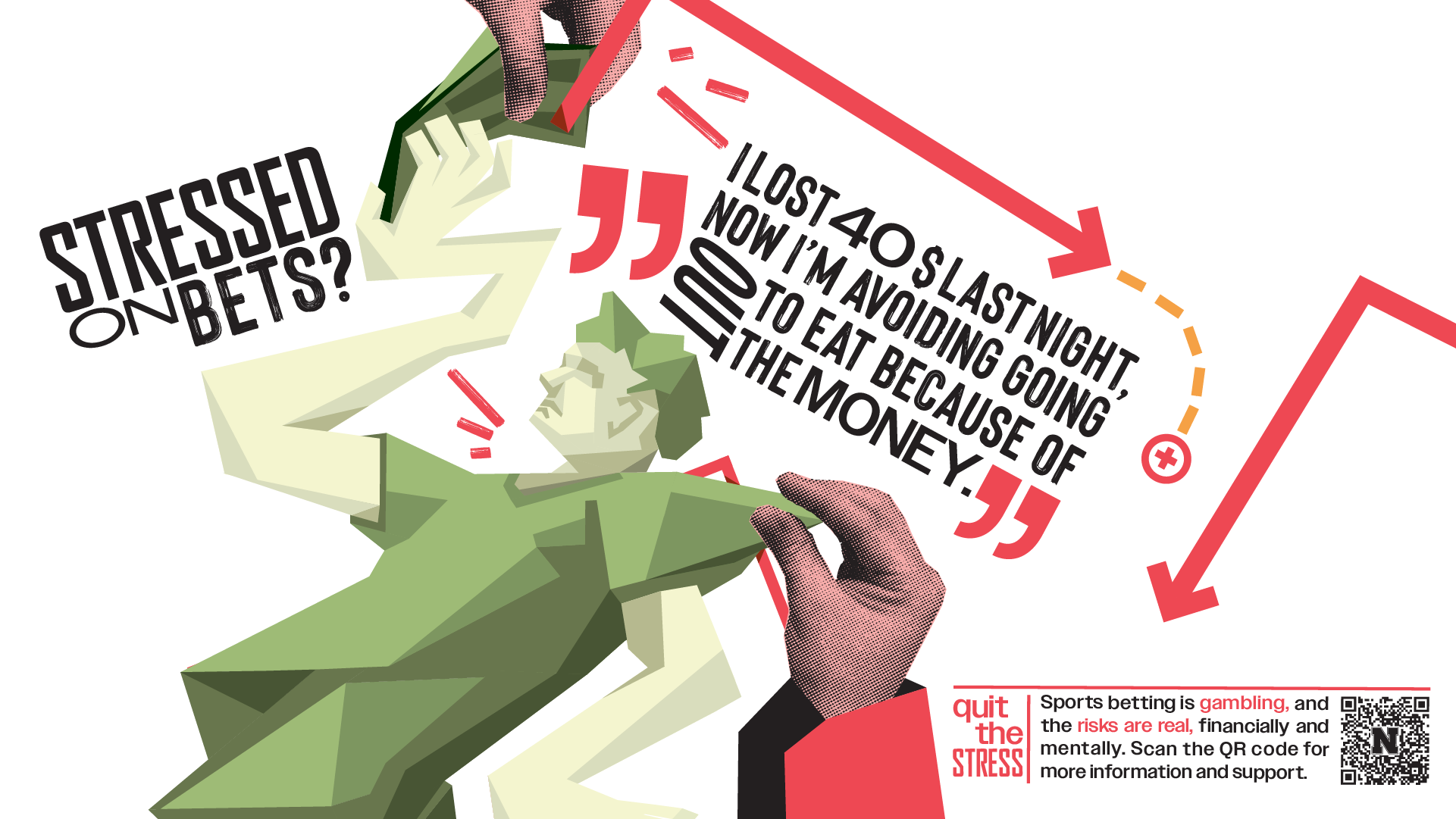
- Break the cycle! 6% of young adults have reported losing upwards of $500 in a day. 70% still believe they’ll make their money through betting. Sports betting is gambling, and the risks are real, financially and mentally. For more information and resources, visit go.unl.edu/stressed_on_bets
- The odds aren’t just affecting the game. A Siena College Research Institute study found that one-third of online sports bettors have experienced gambling problems personally or through someone they know. But only 9% reach out for help. Behind every bet is a real risk. If you or someone you know needs support, visit go.unl.edu/stressed_on_bets
- What starts as a game can quickly become an addiction. 65% of Americans believe online sports betting creates compulsive gambling that harms individuals and their families. Sports betting is gambling, and the risks are real– financially, emotionally, and mentally. To find support and resources, visit go.unl.edu/stressed_on_bets
- More Americans are beginning to see the consequences. 43% of Americans now believe legal sports betting is bad for society, a significant increase from studies conducted years ago. Sports betting carries real consequences—affecting finances, mental health, and well-being. To find support and resources, visit go.unl.edu/stressed_on_bets
- March Madness isn’t just about basketball anymore. It’s one of the biggest gambling events in the country—and Gen Z is at the center of it. Research links rising sports betting exposure to increased anxiety, stress, and compulsive behavior. Sports betting carries real consequences—affecting finances, mental health, and well-being. To find support and resources, visit go.unl.edu/stressed_on_bets

Downloadable Assets
- Instagram Post
- Digital Assets Static Images for Social Media Posts or Digital Boards
- Print Assets
- Captions
- Break the cycle! 6% of young adults have reported losing upwards of $500 in a day. 70% still believe they’ll make their money through betting. Sports betting is gambling, and the risks are real, financially and mentally. For more information and resources, visit go.unl.edu/stressed_on_bets
- The odds aren’t just affecting the game. A Siena College Research Institute study found that one-third of online sports bettors have experienced gambling problems personally or through someone they know. But only 9% reach out for help. Behind every bet is a real risk. If you or someone you know needs support, visit go.unl.edu/stressed_on_bets
- What starts as a game can quickly become an addiction. 65% of Americans believe online sports betting creates compulsive gambling that harms individuals and their families. Sports betting is gambling, and the risks are real– financially, emotionally, and mentally. To find support and resources, visit go.unl.edu/stressed_on_bets
- More Americans are beginning to see the consequences. 43% of Americans now believe legal sports betting is bad for society, a significant increase from studies conducted years ago. Sports betting carries real consequences—affecting finances, mental health, and well-being. To find support and resources, visit go.unl.edu/stressed_on_bets
- March Madness isn’t just about basketball anymore. It’s one of the biggest gambling events in the country—and Gen Z is at the center of it. Research links rising sports betting exposure to increased anxiety, stress, and compulsive behavior. Sports betting carries real consequences—affecting finances, mental health, and well-being. To find support and resources, visit go.unl.edu/stressed_on_bets

Downloadable Assets
- Instagram Post
- Digital Assets Static Images for Social Media Posts or Digital Boards
- Print Assets
- Captions
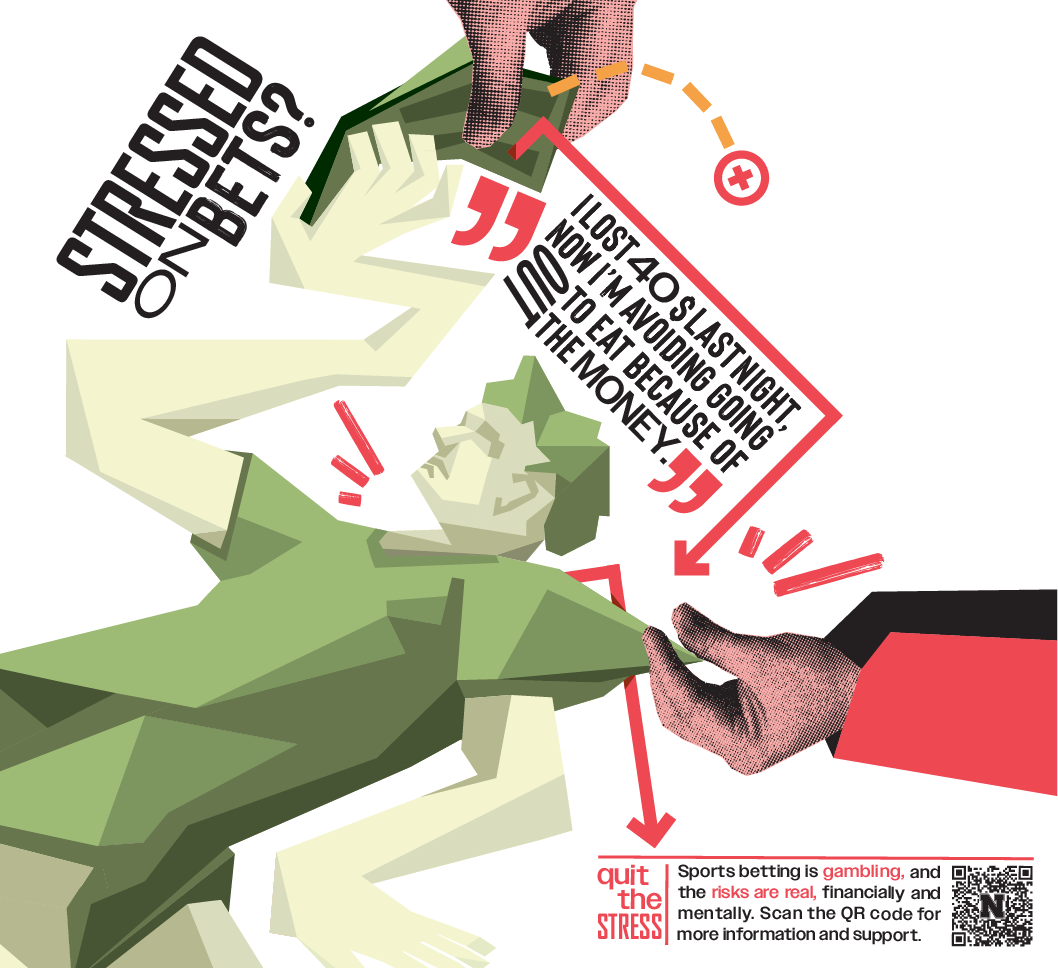
- Break the cycle! 6% of young adults have reported losing upwards of $500 in a day. 70% still believe they’ll make their money through betting. Sports betting is gambling, and the risks are real, financially and mentally. For more information and resources, visit go.unl.edu/stressed_on_bets
- The odds aren’t just affecting the game. A Siena College Research Institute study found that one-third of online sports bettors have experienced gambling problems personally or through someone they know. But only 9% reach out for help. Behind every bet is a real risk. If you or someone you know needs support, visit go.unl.edu/stressed_on_bets
- What starts as a game can quickly become an addiction. 65% of Americans believe online sports betting creates compulsive gambling that harms individuals and their families. Sports betting is gambling, and the risks are real– financially, emotionally, and mentally. To find support and resources, visit go.unl.edu/stressed_on_bets
- More Americans are beginning to see the consequences. 43% of Americans now believe legal sports betting is bad for society, a significant increase from studies conducted years ago. Sports betting carries real consequences—affecting finances, mental health, and well-being. To find support and resources, visit go.unl.edu/stressed_on_bets
- March Madness isn’t just about basketball anymore. It’s one of the biggest gambling events in the country—and Gen Z is at the center of it. Research links rising sports betting exposure to increased anxiety, stress, and compulsive behavior. Sports betting carries real consequences—affecting finances, mental health, and well-being. To find support and resources, visit go.unl.edu/stressed_on_bets